Benefits of Buying Cocoa Powder Directly from Manufacturer
June 30, 2026
Green Coffee Beans: From Origin to Industry
August 26, 2026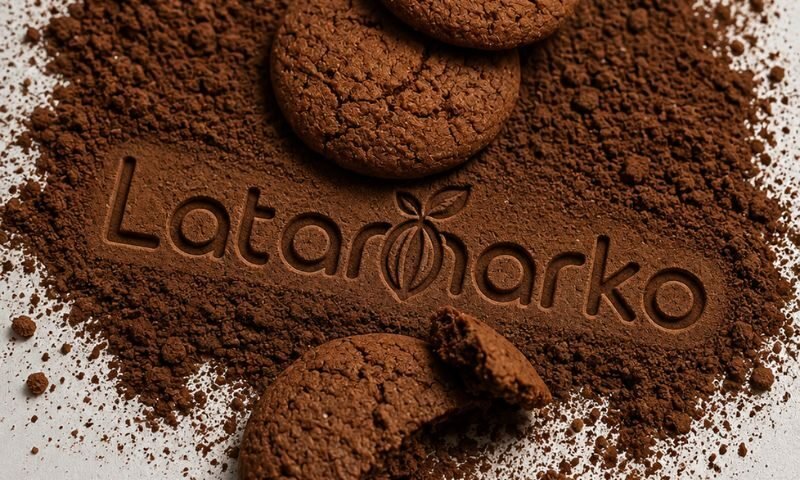
Every piece of fine chocolate begins with something remarkably simple: a cocoa bean.
Yet transforming that bean into smooth, aromatic, perfectly colored chocolate is anything but simple. Behind every chocolate bar, biscuit coating, wafer filling, cocoa beverage, or premium dessert lies a carefully controlled chain of processes involving fermentation, drying, roasting, grinding, pressing, alkalization, refining, and formulation.
For chocolate manufacturers, understanding this journey is more than a matter of curiosity. The way cocoa is processed directly influences color, flavor, aroma, fat content, texture, and performance in the final product.
At LATAMARKO, cocoa is viewed not simply as a commodity, but as a functional ingredient. By focusing on cocoa processing, consistent specifications, and industrial applications, LATAMARKO develops cocoa solutions for manufacturers looking for reliable performance from batch to batch.
Let’s follow cocoa from the bean all the way to the finest chocolate.
1. It All Starts with the Cocoa Bean
Chocolate begins with the fruit of the cacao tree, Theobroma cacao. Inside each cocoa pod are cocoa beans surrounded by a sweet, moist pulp.
At this stage, the beans taste nothing like the chocolate we know. Their characteristic chocolate aroma and flavor must be developed through several carefully controlled processes.
The origin, variety, growing conditions, harvesting practices, and post-harvest treatment of cocoa beans can all influence the final cocoa profile.
For industrial cocoa production, selecting appropriate raw materials is therefore the first critical decision.
A beautiful chocolate product cannot be built on inconsistent cocoa.
2. Fermentation: Where Chocolate Flavor Begins
After harvesting, cocoa beans and their surrounding pulp are removed from the pods and fermented.
Fermentation is one of the most important stages in cocoa processing because it initiates the biochemical reactions responsible for developing chocolate flavor precursors.
Depending on origin and processing practices, fermentation generally lasts several days.
During this period, microorganisms naturally present in the environment transform sugars in the pulp. Temperatures rise, chemical reactions occur inside the beans, bitterness and astringency begin to change, and the foundation of the future chocolate aroma starts developing.
Poor fermentation can lead to undesirable flavors that later processing cannot completely correct.
This is why premium cocoa production starts long before the beans enter a factory.
3. Drying: Protecting Quality After Fermentation
Once fermentation is complete, cocoa beans must be dried.
Drying reduces moisture and helps stabilize the beans for storage and transportation. Traditionally, cocoa beans may be sun-dried, although controlled mechanical drying is also used.
The process must be managed carefully.
Drying too quickly can negatively affect flavor development, while insufficient drying increases the risk of deterioration during storage.
Properly dried cocoa beans are then cleaned, graded, packed, and prepared for their journey to cocoa processors around the world.
4. Cleaning and Sorting
When cocoa beans arrive at a processing facility, consistency becomes increasingly important.
Foreign materials such as stones, dust, fibers, metal particles, and other impurities must be removed before processing.
The beans may also be sorted according to physical characteristics and quality requirements.
For a cocoa manufacturer, this stage is essential not only for food safety but also for protecting downstream equipment and achieving more consistent processing.
Industrial customers ultimately expect their cocoa ingredients to perform predictably. That consistency begins with disciplined raw-material control.
5. Roasting: Unlocking the Cocoa Aroma
Roasting is where the familiar aroma of chocolate truly begins to emerge.
During roasting, carefully controlled heat promotes reactions that transform flavor precursors created during fermentation into the complex aromatic compounds associated with cocoa and chocolate.
Roasting parameters can significantly influence the sensory profile.
Temperature, time, bean characteristics, moisture, and desired final flavor all matter.
A lighter roasting profile may preserve more delicate notes, while different roasting conditions can create deeper and more intense cocoa characteristics.
The objective is not simply to apply heat. It is to develop the desired cocoa character without introducing burnt or undesirable flavors.
6. Breaking and Winnowing: From Bean to Cocoa Nibs
After roasting, cocoa beans are cracked.
The outer shell must then be separated from the valuable inner portion of the bean. This separation process is commonly known as winnowing.
What remains is the cocoa nib.
Cocoa nibs are small pieces of pure cocoa material containing both cocoa solids and naturally occurring cocoa butter.
Although they may look simple, these nibs contain the essential components from which some of the world’s most important cocoa ingredients are produced.
The next transformation is particularly important.
7. Grinding: Creating Cocoa Liquor
Cocoa nibs are ground until they form a thick, flowing paste known as cocoa liquor, cocoa mass, or sometimes unsweetened cocoa mass.
Despite the word “liquor,” it contains no alcohol.
Cocoa beans naturally contain a substantial amount of cocoa butter. During grinding, friction and heat help release this fat, transforming the solid nibs into a fluid cocoa mass.
Cocoa liquor is one of the fundamental building blocks of chocolate.
From this point, the cocoa can follow different paths.
Some cocoa liquor can move toward chocolate manufacturing, while another portion can be pressed to separate cocoa butter from cocoa solids.
This is where the journey toward cocoa powder begins.
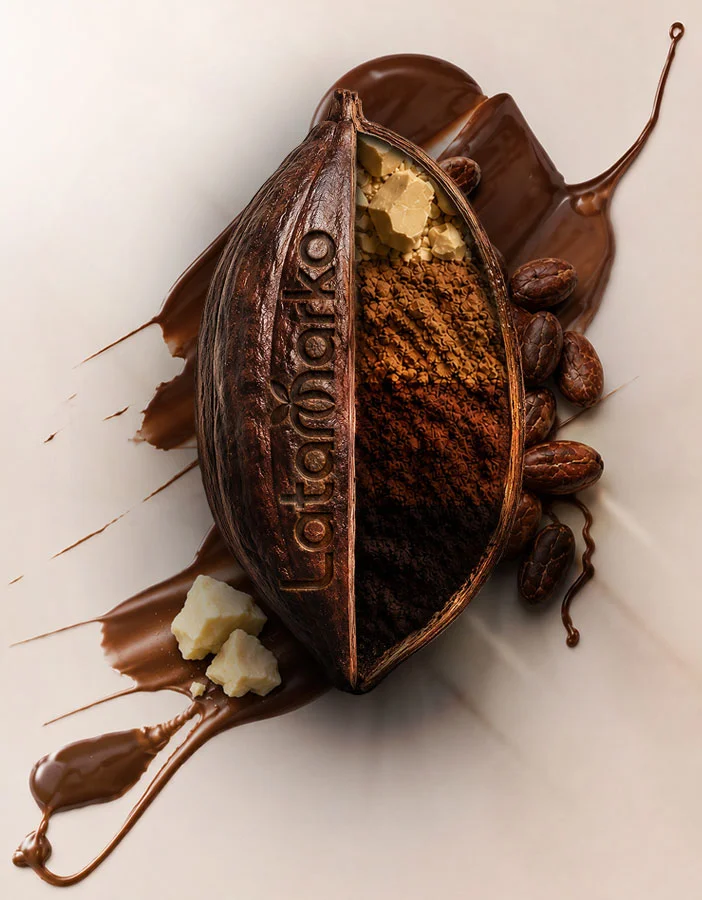
Cocoa Process from Bean to the Finest Chocolate
8. Pressing: Separating Cocoa Butter and Cocoa Cake
Cocoa liquor is subjected to high pressure in a cocoa press.
The pressing process separates part of the cocoa butter from the cocoa solids.
Two valuable ingredients emerge:
Cocoa butter — the naturally occurring fat of the cocoa bean.
Cocoa press cake — the compressed solid cocoa material remaining after part of the cocoa butter has been removed.
Cocoa butter is critical to chocolate manufacturing because of its melting behavior, texture, mouthfeel, and crystallization characteristics.
Cocoa cake, meanwhile, becomes the foundation for cocoa powder.
The amount of remaining fat in the cake influences the characteristics of the resulting cocoa powder. This is why cocoa powder fat content is an important technical specification for industrial buyers.
9. From Cocoa Cake to Cocoa Powder
Cocoa cake coming from the press is not yet the fine powder used by food manufacturers.
The cake must be broken, milled, and processed to achieve the required particle size and physical characteristics.
Controlled grinding transforms the cake into fine cocoa powder.
Particle size matters significantly.
Cocoa powder that is properly milled can contribute to smoother texture, better incorporation into formulations, more consistent appearance, and improved processing behavior.
However, particle size is only one specification.
Professional food manufacturers evaluate cocoa powder based on a combination of characteristics including:
- color
- pH
- fat content
- moisture
- fineness
- flavor profile
- microbiological quality
- consistency between batches
This is why industrial cocoa powder should never be selected solely by looking at its color or price.
10. Natural Cocoa Powder
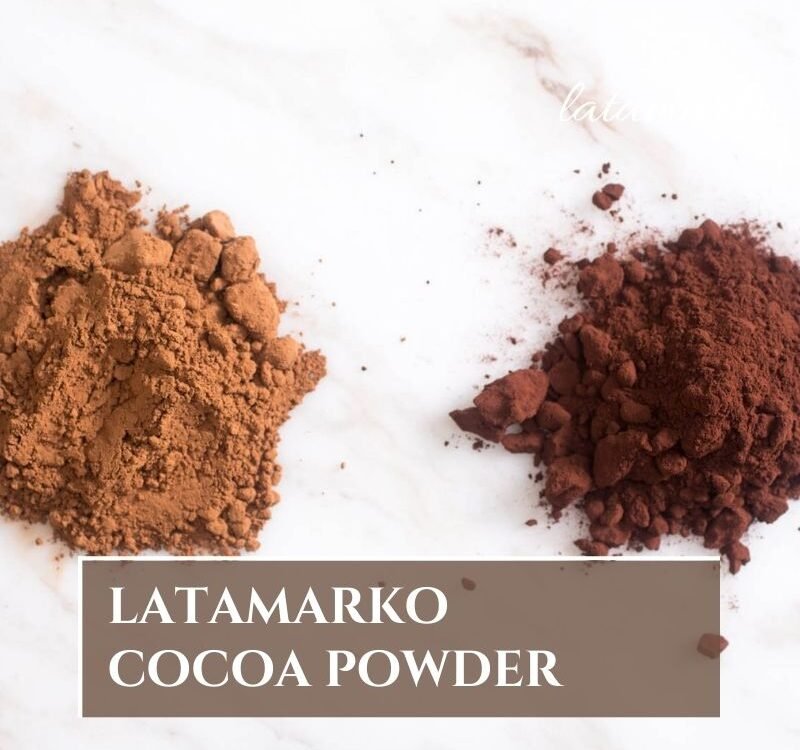
When cocoa solids are processed without alkalization, the resulting product is generally referred to as natural cocoa powder.
Natural cocoa typically has a more acidic pH and a characteristic cocoa flavor profile.
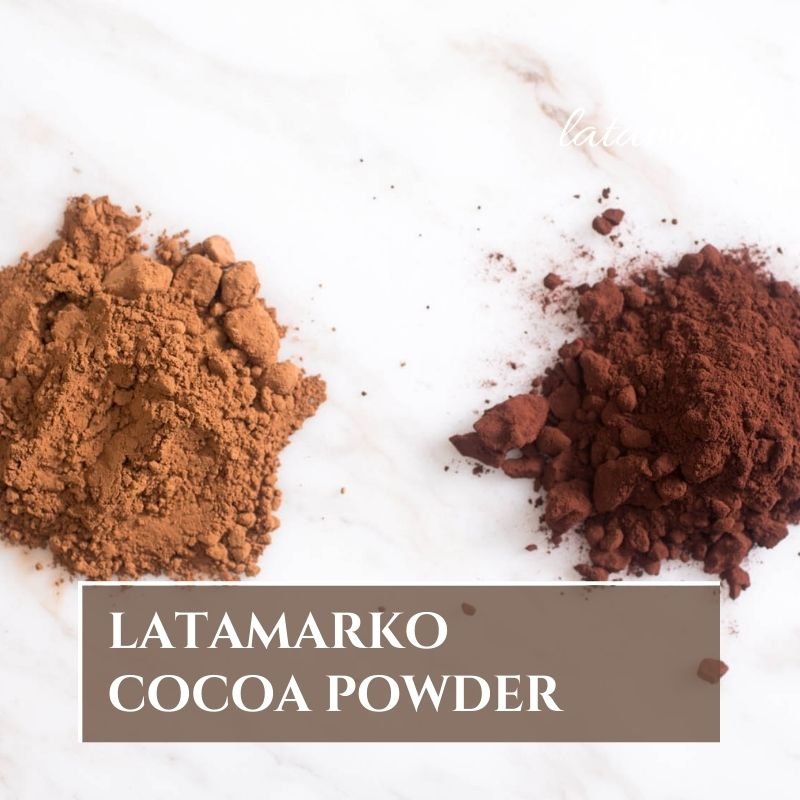
Its color is generally lighter than heavily alkalized cocoa powders, although exact appearance varies according to raw material and processing conditions.
Natural cocoa is used across numerous food applications, including bakery products, biscuits, chocolate-flavored products, desserts, beverages, and other formulations.
For manufacturers, the choice between natural and alkalized cocoa should depend on the desired final product rather than simply personal preference.
Color, recipe chemistry, flavor target, processing conditions, and other ingredients in the formulation must all be considered.
11. Alkalization: Engineering Cocoa Color and Flavor
One of the most fascinating stages of cocoa processing is alkalization, commonly associated with Dutch processing.
During alkalization, cocoa material is treated under controlled conditions with permitted alkalizing agents.
This can modify several important characteristics of cocoa, particularly its pH, color, flavor profile, and behavior in food applications.
Depending on processing conditions and the targeted specification, manufacturers can develop cocoa powders ranging from brown and reddish-brown shades to very dark cocoa profiles.
But alkalization is not simply about making cocoa darker.
The intensity of alkalization must be carefully controlled because excessive processing can affect flavor and other functional characteristics.
For industrial customers, this means two cocoa powders that appear similar may behave very differently in the same formulation.
At LATAMARKO, this relationship between color, flavor, technical specification, and final application is central to cocoa powder development.
12. Why Cocoa Powder Selection Matters to Manufacturers
Imagine two biscuit manufacturers using the same amount of cocoa powder.
One achieves an attractive dark cocoa color and balanced flavor. The other obtains a pale product with excessive bitterness.
The difference may not be the quantity of cocoa.
It may be the type and specification of cocoa powder.
The same principle applies to wafers, chocolate fillings, ice cream, dairy products, cakes, cookies, coatings, and beverages.
A cocoa powder should therefore be selected according to its intended application.
Professional manufacturers may evaluate questions such as:
Will the cocoa maintain its color after baking?
How will it interact with the pH of the formulation?
Is the flavor sufficiently intense at the intended dosage?
Does the powder provide the desired brown, reddish, dark brown, or black appearance?
Can the same specification be maintained from one production batch to another?
These questions transform cocoa purchasing from a simple commodity decision into an ingredient-engineering decision.
13. From Cocoa Ingredients to Chocolate
To produce chocolate, cocoa mass and cocoa butter are combined with other ingredients according to the desired chocolate type.
Sugar is generally incorporated, while milk ingredients are added for milk chocolate formulations.
The mixture then undergoes processes designed to create the exceptionally smooth texture consumers expect.
Refining reduces particle size and contributes to mouthfeel.
Conching further develops texture and flavor while helping remove undesirable volatile notes and distributing ingredients uniformly.
The exact parameters depend on the manufacturer’s formulation, equipment, and desired sensory profile.
At this stage, what began as a fermented cocoa bean has become a sophisticated chocolate system.
But one final transformation remains.
14. Tempering: Creating the Perfect Chocolate Structure
Chocolate’s famous snap, gloss, and melting behavior are strongly connected to cocoa butter crystallization.
Tempering involves carefully controlling the temperature of chocolate to encourage the formation of desirable cocoa butter crystal structures.
Properly tempered chocolate can achieve a glossy appearance, clean snap, good contraction from molds, and desirable melting characteristics.
Incorrect tempering can result in dull surfaces, poor texture, instability, or bloom.
The chemistry of cocoa butter is therefore not a minor detail—it is one of the fundamental reasons chocolate behaves the way it does.
15. Quality Control from Raw Material to Finished Product
Modern cocoa manufacturing requires control at every stage.
Raw materials, processing parameters, intermediate products, and finished cocoa ingredients should be evaluated against defined specifications.
For industrial buyers, consistency is particularly important.
A manufacturer producing millions of biscuits, wafers, chocolate products, or ice creams cannot afford major differences in cocoa color or flavor from one shipment to another.
This is why professional cocoa sourcing involves more than asking:
“What is your price per ton?”
The better questions are:
What specification am I buying?
Will it perform correctly in my formulation?
Can the manufacturer maintain this profile consistently?
Can I receive technical documentation and samples for evaluation?
Ultimately, the cheapest cocoa powder is not necessarily the lowest-cost cocoa powder. Performance, dosage, production stability, reject rates, color consistency, and finished-product quality can have a far greater economic impact.
16. LATAMARKO: Cocoa Designed for Industry
At LATAMARKO, our approach is built around the needs of industrial food manufacturers.
We understand that a chocolate producer may require a completely different cocoa profile from a biscuit factory, wafer manufacturer, dairy producer, ice cream company, or beverage manufacturer.
For this reason, cocoa should not be treated as a one-specification-fits-all ingredient.
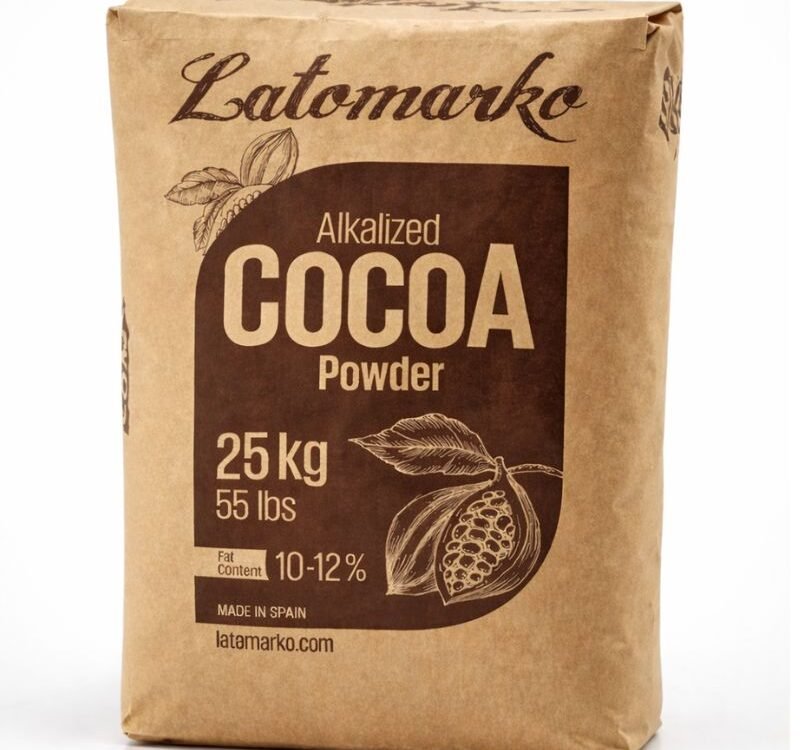
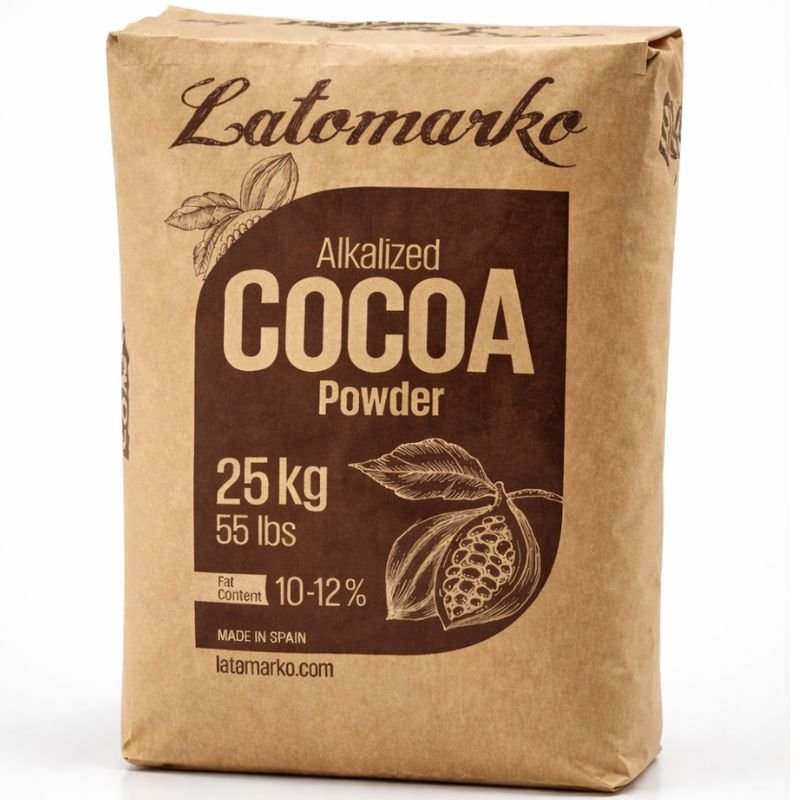
LATAMARKO focuses on cocoa solutions for professional applications, including natural and alkalized cocoa powder grades with different color and performance profiles, supported by technical specifications and quality control.
Our objective is straightforward: help manufacturers select cocoa that works not only on a specification sheet, but also inside the actual final product.
For industrial buyers evaluating a new cocoa grade, technical evaluation and product trials are essential. Color, flavor, dosage, processing behavior, and final-product performance should be assessed before large-scale adoption.
That is the difference between simply purchasing cocoa and selecting the right cocoa solution.
From Bean to Better Chocolate
The journey from cocoa bean to fine chocolate involves far more than grinding beans into powder.
Fermentation creates flavor potential. Drying preserves it. Roasting develops aroma. Winnowing reveals the nib. Grinding creates cocoa mass. Pressing separates cocoa butter and cake. Milling creates cocoa powder. Alkalization can transform color and flavor. Refining and conching create smoothness. Tempering gives chocolate its final structure.
Every stage matters.
And for manufacturers, the quality of the final chocolate, biscuit, wafer, beverage, dairy product, or dessert ultimately depends on the ingredients entering the production line.
Great chocolate starts long before the chocolate factory. It starts with understanding cocoa.
LATAMARKO works with industrial customers looking for consistent cocoa ingredients, technical performance, and cocoa solutions selected around their final application.
Looking for the right cocoa powder for your production? Contact LATAMARKO to discuss your application, required specifications, color target, and sample requirements.