Choosing the Right Cocoa Powder for Industrial Use
August 27, 2026
Honduras Green Coffee: High-Grown Arabica for Roasters
September 1, 2026
The nutrition market has changed significantly. Protein powders are no longer purchased only for their protein content, and functional foods are no longer judged only by their nutritional panel. Today’s consumers expect products that combine nutrition, enjoyable flavor, appealing color, convenient preparation, and a satisfying overall experience.
Chocolate remains one of the most important flavor directions across protein and nutrition products, but creating a convincing chocolate profile is not as simple as adding cocoa powder to a protein base.
Protein ingredients can have their own characteristic flavors. Sweeteners can change the perception of cocoa. Minerals, fibers, vitamins, plant proteins, and other functional ingredients can introduce bitterness, earthy notes, or aftertaste. In ready-to-mix products, cocoa must also perform after the consumer adds water or milk.
This makes selecting the right cocoa powder for protein & nutrition products an application-specific decision.
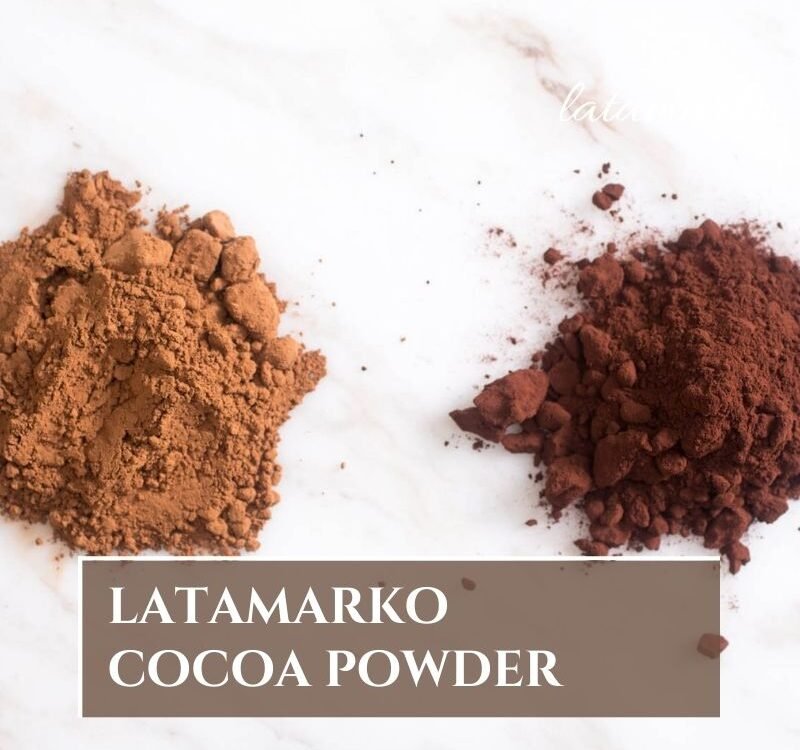
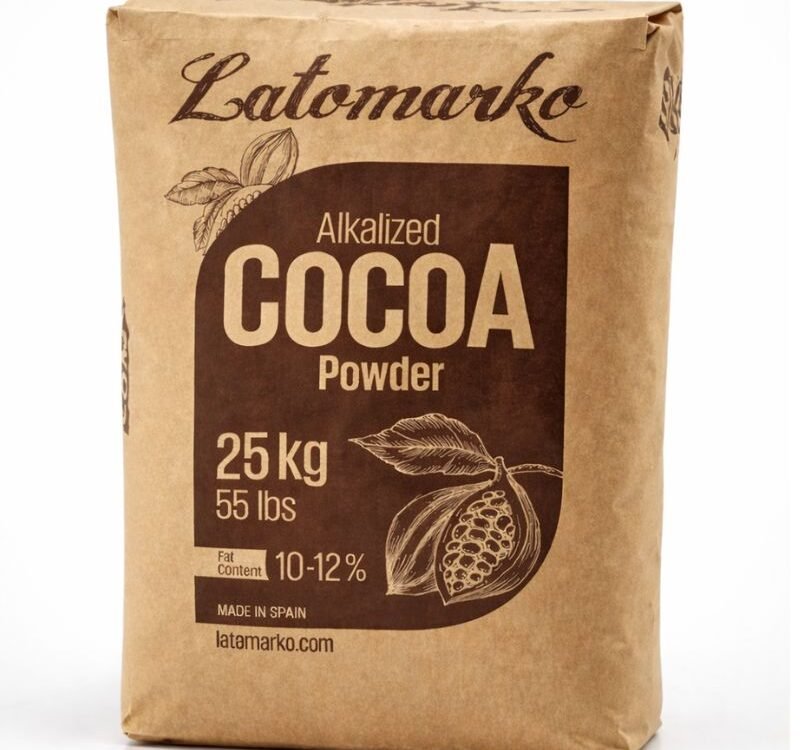
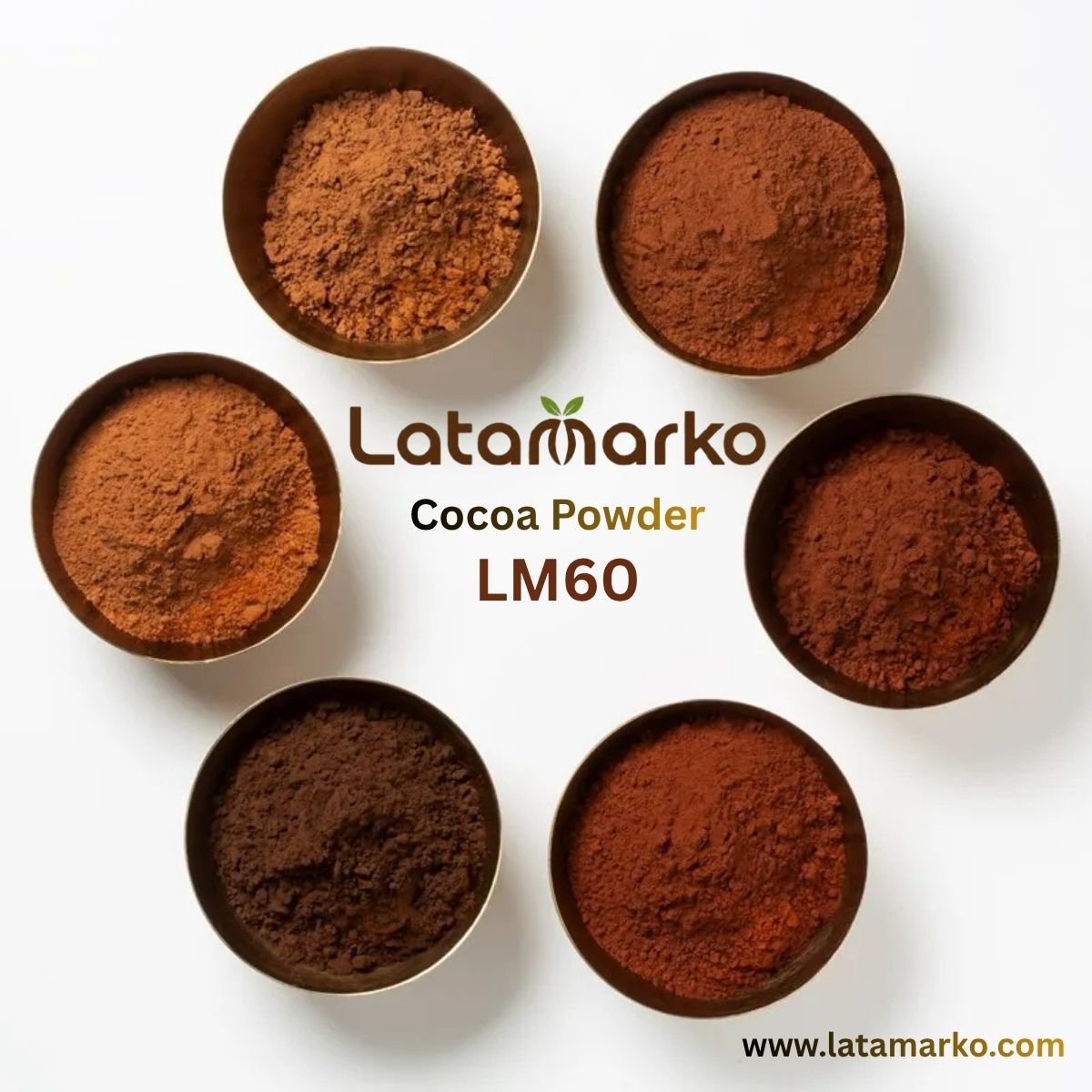
LATAMARKO offers Spanish-origin cocoa powder for professional food manufacturers, with a portfolio including Natural Cocoa Powder, Alkalized Brown Cocoa Powder, Light Alkalized Cocoa Powder, Dark Brown Cocoa Powder LM60, Black Cocoa Powder, and Cocoa Powder for Dairy Applications.
For nutrition manufacturers, the objective is clear:
Choose a cocoa powder that helps create a chocolate product consumers want to drink or eat again—not simply one that makes “chocolate” possible on the label.
Cocoa Powder for Protein
Why Cocoa Powder Matters in Protein & Nutrition Products
In conventional chocolate products, cocoa often works alongside familiar ingredients such as sugar and fat.
Nutrition formulations can be much more complex.
A chocolate protein powder, for example, may contain:
Whey Protein • Milk Protein • Casein • Pea Protein • Soy Protein • Rice Protein • Fiber • Sweeteners • Vitamins • Minerals • Flavors • Functional Ingredients
Each component can influence the finished sensory profile.
Cocoa powder may therefore have several roles:
Chocolate Flavor
Color
Cocoa Aroma
Bitterness Balance
Visual Product Identity
Overall Sensory Character
The challenge is to make cocoa work successfully within this nutritional matrix.
A cocoa powder that performs well in a confectionery filling may create a different sensory result when combined with whey protein or plant protein.
Application testing is therefore essential.
Cocoa Powder for Protein Powder
Chocolate protein powder is one of the most obvious applications for cocoa in the nutrition industry.
Consumers generally expect a chocolate protein shake to look and taste noticeably chocolate-oriented after preparation.
This creates an important distinction:
Manufacturers should not evaluate cocoa only in the dry protein powder.
They should evaluate it after the recommended serving has been prepared.
For example:
30 g Protein Powder + Water
and:
30 g Protein Powder + Milk
may create noticeably different cocoa experiences.
Milk can change color, creaminess, sweetness perception, and cocoa intensity. Water may expose other characteristics of the protein formulation more clearly.
The cocoa powder should therefore be evaluated under the same preparation conditions recommended to the consumer.
Cocoa Powder for Whey Protein Products
Whey protein is widely used across sports and active nutrition products.
Chocolate-flavored whey formulations may combine whey protein concentrate, whey protein isolate, or other dairy-derived protein ingredients with cocoa, flavors, sweeteners, and functional components.
The desired cocoa profile depends heavily on the brand concept.
A mainstream chocolate whey protein may target:
Creamy Chocolate + Balanced Cocoa + Pleasant Sweetness
A premium product might target:
Rich Cocoa + Deeper Chocolate Color + More Intense Chocolate Character
Another product may be positioned around dark chocolate and intentionally use a stronger cocoa direction.
This is why manufacturers should define the target chocolate experience before selecting the cocoa powder.
Cocoa Powder for Plant-Based Protein
Plant-based protein creates a different formulation challenge.
Products based on:
Pea Protein
Soy Protein
Rice Protein
Mixed Plant Proteins
can have characteristic sensory notes that need to be considered when building a chocolate flavor profile.
Cocoa can become an important component of the overall sensory architecture.
The formulation objective may be to create enough cocoa impact to establish a recognizable chocolate identity while maintaining balance with the protein base, sweetener system, and additional flavors.
Manufacturers developing plant-based products should therefore test different cocoa profiles rather than assuming that the same cocoa used in a dairy protein product will automatically produce the same result.
Natural Cocoa Powder for Nutrition Products
LATAMARKO Natural Cocoa Powder provides a non-alkalized option for nutrition manufacturers looking for a characteristic natural cocoa profile.
Depending on the formulation, natural cocoa can contribute:
Traditional Cocoa Character
Natural Cocoa Acidity
Recognizable Cocoa Aroma
Lighter Cocoa Appearance
It can be evaluated for selected:
Protein Powders
Nutrition Powders
Functional Foods
Protein Snacks
Meal-Replacement Formulations
Cocoa-Based Nutrition Products
However, “natural” should not automatically be interpreted as “better” for every nutrition application.
The appropriate cocoa powder depends on the formulation, desired flavor, target color, other ingredients, and intended consumer experience.
Alkalized Brown Cocoa Powder for Chocolate Protein Products
For manufacturers looking for a familiar chocolate-brown appearance, LATAMARKO Alkalized Brown Cocoa Powder offers a different cocoa direction.
It can be particularly relevant for products where the manufacturer wants to create a recognizable chocolate identity without moving toward an extremely dark profile.
Potential applications include:
Chocolate Whey Protein
Chocolate Plant Protein
Meal-Replacement Powders
Nutrition Shakes
Protein Snacks
Functional Cocoa Products
Nutrition Bars and Fillings
In these products, a balanced brown cocoa profile can help support the visual expectation consumers associate with conventional chocolate.
Light Alkalized Cocoa Powder for Balanced Nutrition Formulations
Many nutrition products are designed around creaminess rather than intense dark chocolate.
For these applications, LATAMARKO Light Alkalized Cocoa Powder provides another option.
It may be evaluated in formulations targeting profiles such as:
Milk Chocolate
Creamy Chocolate
Chocolate Vanilla
Chocolate Caramel
Chocolate Hazelnut
Balanced Cocoa
This can be particularly useful when cocoa should complement other flavors rather than dominate them.
For example, a chocolate-hazelnut protein powder should not necessarily have the same cocoa intensity as a product marketed specifically as intense dark chocolate.
The product concept should guide the cocoa selection.
LM60 Dark Brown Cocoa Powder for Premium Protein Products
Premium sports nutrition increasingly competes on sensory experience as well as nutritional composition.
This creates opportunities for more sophisticated chocolate profiles.
LATAMARKO LM60 Dark Brown Cocoa Powder can be evaluated for formulations requiring a deep dark-brown cocoa appearance and stronger visual cocoa identity.
Potential concepts include:
Dark Chocolate Protein Powder
Premium Chocolate Whey Protein
Intense Cocoa Protein Shake
Dark Chocolate Meal Replacement
Premium Protein Desserts
High-Protein Cocoa Foods
A deep cocoa appearance can help distinguish an intense chocolate SKU from the standard chocolate version within the same product range.
For example:
Chocolate
versus
Dark Chocolate
versus
Intense Cocoa
The cocoa profile becomes part of product differentiation.
Choosing the Right Cocoa Powder for Industrial Use
Black Cocoa Powder for Distinctive Nutrition Concepts
The nutrition market is highly competitive, and visual differentiation can be valuable.
LATAMARKO Black Cocoa Powder can be evaluated for specialized products where an extremely dark cocoa appearance is intentional.
Potential concepts might include:
Black Cocoa Protein Powder
Black Cocoa Protein Snacks
Very Dark Nutrition Shakes
Black Cocoa Functional Foods
Specialty Protein Desserts
This creates opportunities for brands that want to move beyond conventional brown chocolate products.
Black cocoa can also be combined conceptually with contrasting flavors such as:
Black Cocoa + Vanilla
Black Cocoa + Coconut
Black Cocoa + Caramel
Black Cocoa + Strawberry
Black Cocoa + Peanut
However, Black Cocoa should not be selected simply because it is visually dramatic.
The sensory profile must still work with the protein system and intended consumer.
Cocoa Powder for Dairy-Based Nutrition Products
Many protein and nutrition products are based on dairy ingredients.
This makes LATAMARKO Cocoa Powder for Dairy Applications another relevant option for manufacturers to evaluate.
Potential applications include:
Ready-to-Drink Protein Shakes
Dairy Protein Drinks
High-Protein Chocolate Milk
Protein Desserts
Dairy Nutrition Products
Milk-Based Meal Replacements
High-Protein Puddings
In these systems, cocoa needs to work alongside milk proteins, dairy solids, sweeteners, stabilizers, and other functional ingredients.
The finished dairy product should therefore be the basis for evaluation.
Cocoa Powder for Ready-to-Drink Protein Shakes
Ready-to-drink protein beverages present different requirements from powdered protein products.
The cocoa is already incorporated into a liquid system before the consumer receives the product.
Manufacturers may need to consider factors such as:
Dispersion
Suspension
Sedimentation
Color
Cocoa Flavor
Processing Conditions
Stability of the Complete Formulation
Cocoa powder itself is only one part of this system.
The behavior of the finished beverage can also depend on homogenization, stabilizers, viscosity, processing temperatures, protein type, and other formulation variables.
Therefore, cocoa should be evaluated through an actual beverage trial rather than through dry powder comparison alone.
Cocoa Powder for High-Protein Puddings & Desserts
High-protein desserts have become another important category within nutrition-oriented food development.
Chocolate protein puddings and similar products need to combine nutritional positioning with an indulgent sensory experience.
Consumers may expect:
Rich Chocolate Color
Creamy Texture
Recognizable Cocoa Flavor
Balanced Sweetness
Pleasant Aftertaste
Depending on the desired positioning, manufacturers can evaluate different cocoa directions.
A mainstream chocolate protein pudding may benefit from a balanced brown profile.
A premium dark chocolate protein dessert may require the deeper visual character of LM60.
Specialty concepts may explore Black Cocoa.
The correct option depends on the target product.
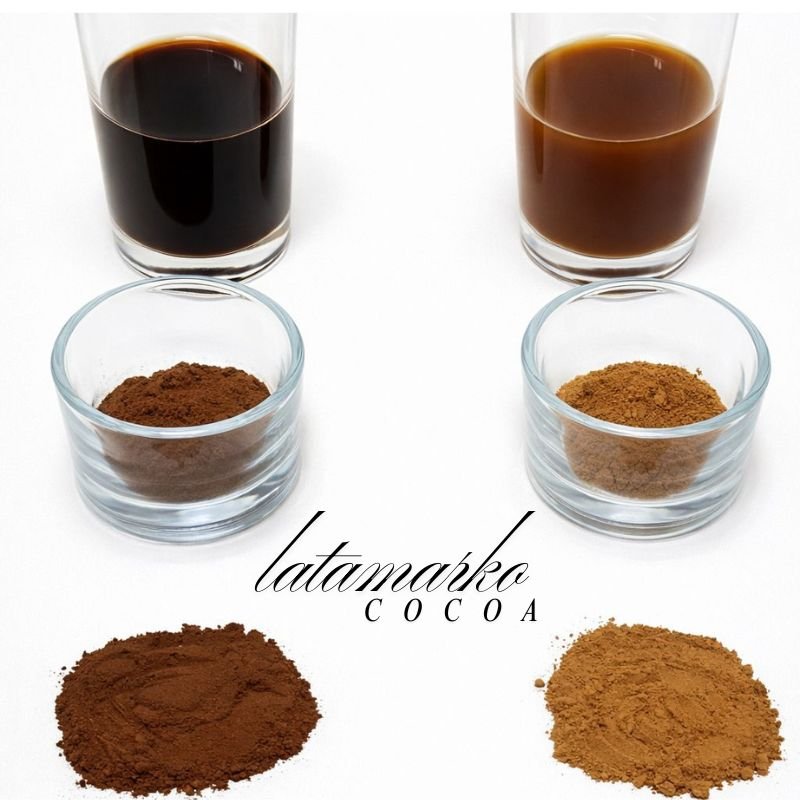
Cocoa Powder for Protein
Cocoa Powder for Protein Bars
Protein bars create another environment where cocoa can be used in several ways.
It may appear in:
Protein Bar Mass
Cocoa Fillings
Chocolate-Flavored Layers
Compound Coatings
Protein Creams
Cocoa Decorations
This means one finished protein bar can potentially contain cocoa in more than one component.
For example:
Chocolate Protein Base + Cocoa Cream + Compound Coating
Each component has different formulation requirements.
The cocoa powder selected for the protein mass may not necessarily be the best option for the filling or coating.
Professional manufacturers should therefore evaluate cocoa application by application.
Cocoa Powder for Meal Replacement Products
Meal-replacement products need to deliver both nutritional functionality and acceptable sensory quality.
They can contain significant quantities of:
Protein
Fiber
Vitamins
Minerals
Carbohydrates
Fats
Functional Ingredients
These components can make flavor development challenging.
Chocolate is often selected because it can create a familiar and appealing flavor direction within a nutritionally dense formulation.
However, cocoa intensity needs to be balanced carefully against sweetness and the sensory characteristics of the other ingredients.
The best cocoa powder is therefore not necessarily the strongest one—it is the one that creates the most convincing finished chocolate profile.
Cocoa Powder and Sweetener Systems
Nutrition products frequently use different sweetener systems from conventional confectionery products.
Depending on the formulation, this can change the way cocoa is perceived.
Cocoa bitterness, acidity, roasted notes, and overall chocolate intensity should therefore be evaluated alongside the actual sweetener system used in the finished product.
This is particularly important when developing:
Low-Sugar Products
Reduced-Sugar Products
No-Added-Sugar Concepts
High-Protein Formulations
A cocoa powder approved in one formulation should not automatically be expected to taste identical after major changes to the sweetener system.
Cocoa Powder and Protein Off-Notes
Protein ingredients can introduce characteristic flavors of their own.
The nature and intensity of these notes vary according to the protein source and formulation.
Rather than expecting cocoa powder to function simply as a masking ingredient, manufacturers should build a complete flavor system in which:
Protein Base + Cocoa + Sweetener + Flavor + Other Ingredients
work together.
The objective is not to cover every flavor with excessive cocoa.
It is to create a balanced chocolate profile that remains enjoyable throughout consumption.
This distinction becomes especially important for products consumed frequently, such as daily protein shakes.
Cocoa Color in the Prepared Product
For powdered nutrition products, dry powder appearance can be misleading.
A protein powder may look dark inside the package but become considerably lighter when mixed with water or milk.
Therefore, color should be evaluated at the recommended serving dosage.
Manufacturers should compare:
Dry Powder
→ Prepared with Water
→ Prepared with Milk, if relevant
This provides a more realistic picture of the consumer experience.
For a premium dark chocolate protein powder, for example, the final prepared shake should actually communicate the intended dark cocoa identity.
Dispersion Is Important in Powdered Nutrition Products
Consumers often prepare protein products using:
Shaker Bottles
Blenders
Spoons
Portable Mixers
The complete product formulation therefore needs to deliver acceptable preparation behavior under realistic conditions.
Cocoa is naturally a particulate ingredient and should not be treated as though it behaves like a completely soluble flavor.
Its performance can be influenced by:
Particle Characteristics
Protein Type
Other Powders
Liquid Temperature
Mixing Method
Formulation
Manufacturers should evaluate the complete finished nutrition powder using realistic consumer preparation methods.
Cocoa Powder for Premium Nutrition Brands
Premium nutrition brands increasingly differentiate themselves through more than protein percentage.
Consumers may compare:
Taste
Texture
Ingredient Positioning
Flavor Sophistication
Mixing Experience
Packaging
Product Variety
This creates an opportunity for cocoa to contribute to premium positioning.
Instead of offering only “Chocolate,” a brand might develop:
Classic Chocolate
Creamy Chocolate
Dark Chocolate
Intense Cocoa
Black Cocoa
Chocolate Hazelnut
Chocolate Caramel
Different cocoa profiles can help support these product distinctions.
Consistency Matters in Nutrition Manufacturing
For a nutrition brand selling the same chocolate protein product across multiple markets, consistency is critical.
Consumers expect the next package to deliver the same:
Color
Cocoa Aroma
Chocolate Intensity
Overall Sensory Experience
This means professional buyers should consider not only whether the first cocoa sample is attractive, but whether the required specification can be maintained through ongoing commercial supply.
At industrial scale, batch-to-batch consistency becomes a major purchasing consideration.
Spanish-Origin LATAMARKO Cocoa Powder
LATAMARKO supplies Spanish-origin cocoa powder for professional food manufacturers, including companies operating in protein, functional food, dairy, beverage, bakery, chocolate, and confectionery applications.
For nutrition manufacturers, the LATAMARKO portfolio provides several cocoa directions:
| LATAMARKO Cocoa Powder | Profile | Potential Nutrition Applications |
|---|---|---|
| Natural Cocoa Powder | Natural cocoa character | Protein powders and selected nutrition products |
| Alkalized Brown Cocoa Powder | Classic chocolate-brown | Whey, plant protein and meal replacements |
| Light Alkalized Cocoa Powder | Balanced cocoa profile | Creamy and milk-chocolate nutrition products |
| Dark Brown Cocoa Powder – LM60 | Deep dark-brown | Premium dark chocolate protein products |
| Black Cocoa Powder | Very dark / black | Specialty and differentiated nutrition concepts |
| Cocoa Powder for Dairy Applications | Dairy-oriented | Protein drinks, dairy desserts and milk-based nutrition |
This range allows manufacturers to begin with the desired finished product rather than attempting to fit every nutritional formulation around a single cocoa profile.
How Should Nutrition Manufacturers Test Cocoa Powder?
A structured development process can help manufacturers compare cocoa powders accurately.
Start with the actual product formulation and keep the main parameters consistent.
Then evaluate:
Finished Color
Chocolate Aroma
Cocoa Intensity
Bitterness
Sweetness Balance
Protein Aftertaste
Mouthfeel
Preparation Behavior
Overall Consumer Experience
For powdered products, evaluate the formulation after preparation according to the actual instructions on the package.
For ready-to-drink products, evaluate it after the relevant industrial processing stages.
For protein bars or desserts, assess cocoa inside the finished food matrix.
The correct test depends on how the consumer will actually experience the product.
Cocoa Powder Price vs Cost-in-Use
Protein and nutrition manufacturers should also distinguish between ingredient price and formulation economics.
The commercial evaluation can include:
Cocoa Powder Price
Required Dosage
Color Contribution
Flavor Performance
Compatibility with the Formula
Consistency
Finished-Product Quality
A cocoa powder with a lower purchase price does not necessarily create a lower-cost finished formulation if it requires a different dosage or additional formulation adjustments to achieve the target chocolate profile.
For industrial purchasing, cost-in-use provides a more complete perspective.
From Cocoa Sample to Commercial Nutrition Product
The development pathway can be structured as:
Define Product Concept
→ Define Target Chocolate Profile
→ Select Cocoa Powder Options
→ Request Samples
→ Prepare Nutrition Formula
→ Evaluate Prepared Product
→ Pilot Production
→ Sensory & Technical Approval
→ Commercial Order
→ Recurring Supply
This is particularly useful when developing a new chocolate flavor or replacing an existing cocoa supplier.
What Should You Provide When Requesting Cocoa Powder?
A nutrition manufacturer can provide information such as:
| Requirement | Example |
|---|---|
| Application | Whey / Plant Protein / RTD / Protein Bar / Meal Replacement |
| Protein Base | Whey / Milk / Pea / Soy / Mixed |
| Target Flavor | Chocolate / Dark Chocolate / Chocolate Hazelnut |
| Desired Color | Brown / Light / Dark Brown / Black |
| Cocoa Type | Natural / Alkalized / Open to Recommendation |
| Current Cocoa | Specification or reference if available |
| Technical Requirements | If defined |
| Monthly Volume | Estimated consumption |
| Annual Requirement | Estimated volume |
| Destination | Country / Port |
| Sample Requirement | Yes / No |
If the exact cocoa specification is unknown, the manufacturer can simply begin by explaining the product, protein base, desired flavor, target color, and production volume.
LATAMARKO Cocoa Powder for Protein & Nutrition Manufacturers
The modern nutrition consumer expects more than nutritional functionality.
A protein shake may contain an excellent protein system, but if consumers do not enjoy drinking it, repeat purchase becomes more difficult. A high-protein dessert may have impressive nutritional values, but its flavor and appearance remain part of the consumer’s decision.
This is where cocoa selection becomes commercially important.
For manufacturers looking for cocoa powder for protein & nutrition products, LATAMARKO provides Spanish-origin cocoa powder across Natural, Alkalized Brown, Light Alkalized, LM60 Dark Brown, Black Cocoa, and Dairy Application profiles.
The sourcing process can begin with a practical product brief such as:
“We manufacture a chocolate whey protein powder and need a rich brown cocoa profile that remains clearly chocolate-oriented when the product is prepared with water or milk.”
Or:
“We are developing a premium dark chocolate plant-protein product and need a deeper cocoa appearance with strong chocolate identity for application testing.”
From there, suitable cocoa options can be evaluated through samples and real formulation trials.
Because in protein and nutrition manufacturing, consumers may initially choose a product because of its nutritional promise.
But the chocolate experience can be one of the reasons they choose to consume it again.