Green Coffee Beans: From Origin to Industry
August 26, 2026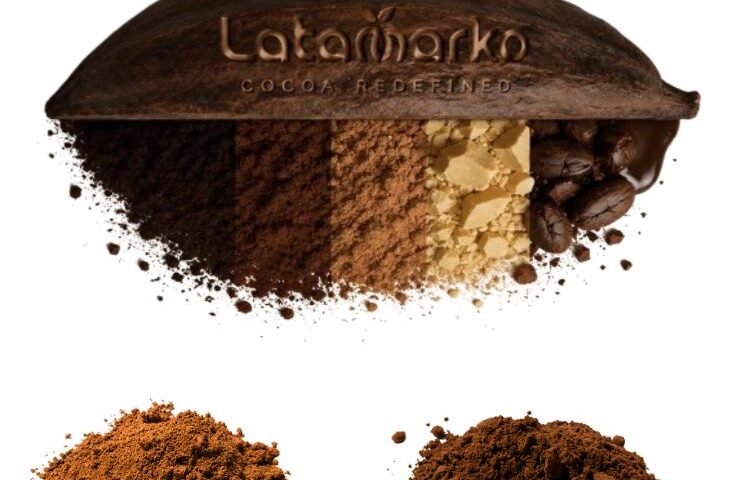
Choosing the right cocoa powder for industrial use is not simply a matter of comparing color, price, or whether a cocoa powder is natural or alkalized. For professional food manufacturers, cocoa powder is a strategic ingredient that can influence the color, flavor, aroma, pH, texture, processing behavior, consistency, and commercial performance of the finished product.
A cocoa powder that performs successfully in a biscuit formulation may not necessarily be the right choice for chocolate milk. A cocoa powder selected for compound chocolate may behave differently in an ice cream, protein shake, wafer cream, or bakery filling.
This is why industrial cocoa selection should always begin with one fundamental question:
What exactly should the cocoa powder achieve in the finished product?
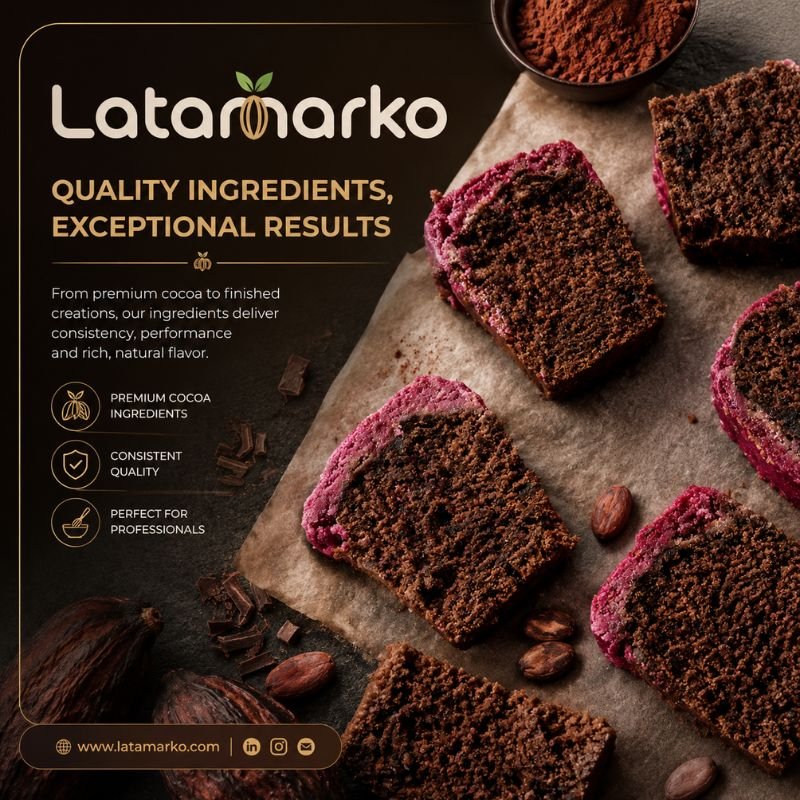
LATAMARKO offers a portfolio of Spanish-origin cocoa powders developed for different industrial food applications. The range includes Natural Cocoa Powder, Alkalized Brown Cocoa Powder, Light Alkalized Cocoa Powder, Dark Brown Cocoa Powder LM60, Black Cocoa Powder, and Cocoa Powder for Dairy Applications.
Rather than treating cocoa powder as one universal ingredient, professional manufacturers can select the appropriate profile according to their formulation, production process, desired color, sensory target, and commercial requirements.
Cocoa Powder for Industrial Use
Start with the Application, Not the Cocoa Powder
One of the most common mistakes in industrial cocoa sourcing is starting with a generic request:
“We need alkalized cocoa powder.”
That information alone is not enough.
The first question should be:
What are you producing?
The requirements for cocoa powder can change considerably between:
Chocolate & Confectionery
Biscuits & Wafers
Compound Chocolate
Bakery Products
Fillings & Creams
Ice Cream
Dairy Products
Beverages
Protein & Nutrition Products
For example, a biscuit manufacturer may be particularly interested in baked color and cocoa intensity.
A beverage producer may focus more heavily on how cocoa performs within a liquid system.
A compound chocolate manufacturer must consider the relationship between cocoa powder and the fat system.
An ice cream producer needs to evaluate cocoa after the product has been processed and frozen.
The application should therefore determine the cocoa specification—not the other way around.
Natural or Alkalized Cocoa Powder?
One of the first major decisions is whether the formulation requires Natural Cocoa Powder or Alkalized Cocoa Powder.
Natural Cocoa Powder
Natural cocoa powder retains a more characteristic natural cocoa acidity and generally presents a different color and sensory profile from alkalized cocoa.
Depending on the formulation, manufacturers may select natural cocoa when they require:
Natural Cocoa Character
Traditional Cocoa Flavor
Lighter Cocoa Appearance
Specific Acidity
Natural cocoa can be used across various food applications, but its suitability should always be evaluated within the actual formulation.
Alkalized Cocoa Powder
Alkalized cocoa undergoes a controlled alkalization process that modifies characteristics such as color, acidity, pH, and flavor profile.
Depending on the degree of alkalization and manufacturing parameters, cocoa can move across different color directions—from conventional brown to deeper dark-brown and extremely dark profiles.
This makes alkalized cocoa particularly versatile for industrial manufacturers seeking specific visual and sensory characteristics.
Not All Alkalized Cocoa Powders Are the Same
Simply specifying “alkalized cocoa powder” is not precise enough for many industrial applications.
Two alkalized cocoa powders can have noticeably different:
Colors
pH Levels
Flavor Profiles
Cocoa Intensity
Physical Characteristics
Application Performance
This is why professional buyers should define what type of alkalized cocoa they actually require.
LATAMARKO offers several directions within its portfolio, including:
Alkalized Brown Cocoa Powder
Light Alkalized Cocoa Powder
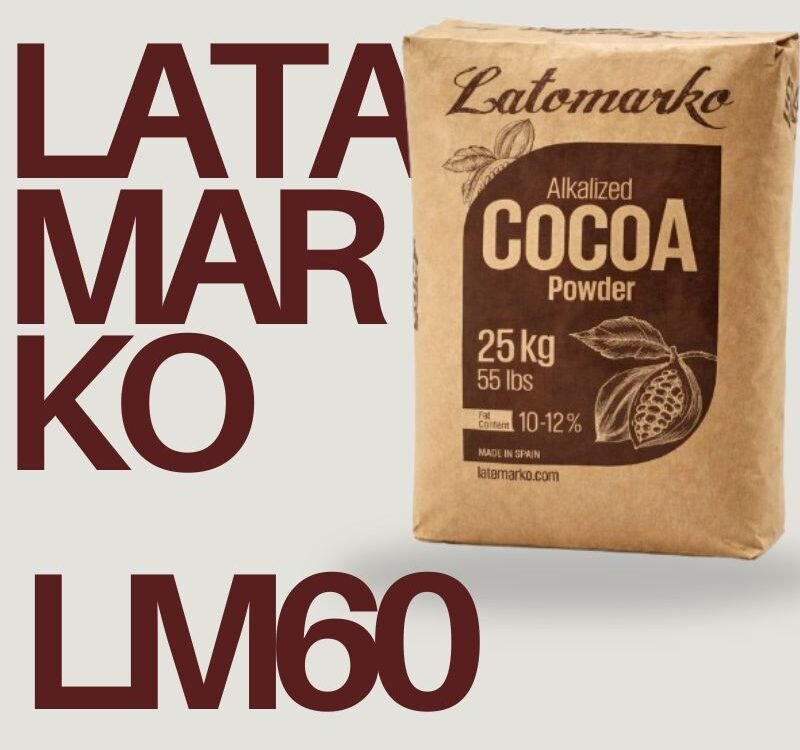
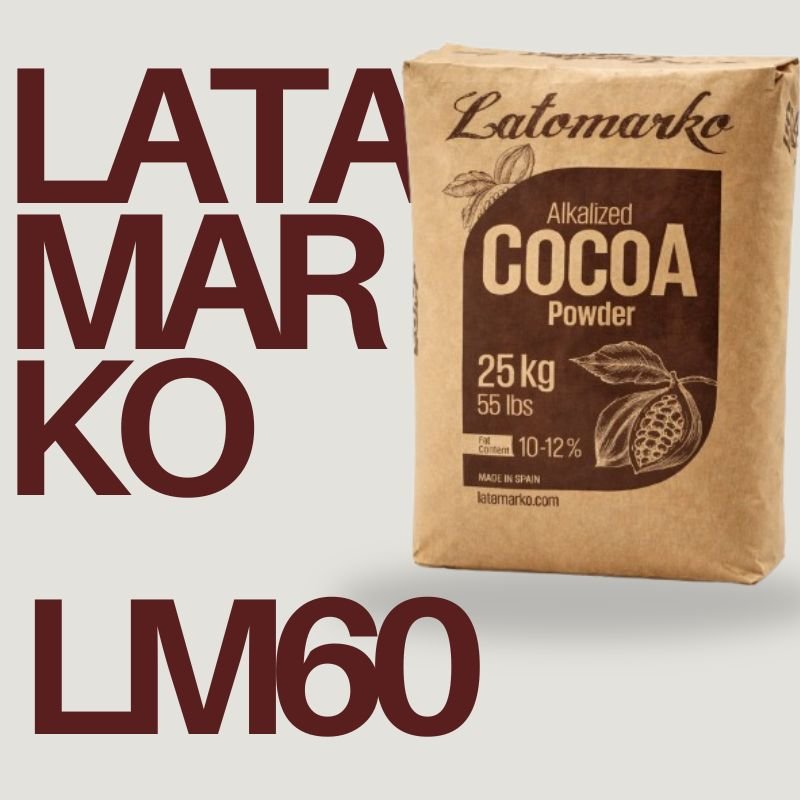
Dark Brown Cocoa Powder – LM60
Black Cocoa Powder
Each is intended to provide a different direction for product development.
Choosing Cocoa Powder by Color
Color is one of the most important criteria in industrial cocoa purchasing.
But there is an important rule:
Never judge cocoa powder only by its dry color.
Once cocoa enters a formulation, its appearance can change considerably.
It may interact with:
Milk
Flour
Sugar
Vegetable Fat
Milk Powder
Protein
Water
Other Ingredients
Processing conditions can also influence the final appearance.
For this reason, professional manufacturers should define the desired finished-product color, not simply the desired cocoa powder color.
Understanding the LATAMARKO Cocoa Color Range
Different applications require different cocoa directions.
| LATAMARKO Cocoa Powder | General Profile | Potential Industrial Direction |
|---|---|---|
| Natural Cocoa Powder | Natural cocoa character | Traditional and selected industrial applications |
| Alkalized Brown Cocoa Powder | Classic chocolate brown | Broad food manufacturing applications |
| Light Alkalized Cocoa Powder | Balanced alkalized profile | Bakery, confectionery and balanced formulations |
| Dark Brown Cocoa Powder – LM60 | Deep dark-brown | Premium and intense cocoa products |
| Black Cocoa Powder | Very dark / black | Specialty and color-driven applications |
| Cocoa Powder for Dairy Applications | Dairy-oriented | Milk, beverage, ice cream and dairy products |
This gives manufacturers flexibility to develop different products without trying to use the same cocoa powder across every formulation.
Most importantly:
Darker does not automatically mean better.
The correct color is the color required by the finished product.
pH Is an Important Industrial Specification
Professional buyers should pay close attention to pH when selecting cocoa powder.
Natural and alkalized cocoa powders have different pH characteristics, and the degree of alkalization can further influence this parameter.
Why does pH matter?
Because it can influence:
Cocoa Flavor
Color
Acidity
Interaction with Other Ingredients
Behavior in Certain Formulations
Baking Systems
For example, changing from natural cocoa to alkalized cocoa in a bakery formulation should not automatically be treated as a simple one-to-one substitution.
The complete recipe needs to be considered.
Industrial manufacturers should therefore review the technical specification before approving a new cocoa powder.

Cocoa Powder for Industrial Use
Cocoa Powder Fat Content
Another important parameter is cocoa fat content.
Cocoa powder retains a certain amount of cocoa butter after pressing, and different grades can be manufactured with different fat specifications.
Fat content can influence characteristics such as:
Mouthfeel
Richness
Flavor Delivery
Texture
Processing
Formulation Economics
However, higher fat content does not automatically mean better quality.
A manufacturer should select the fat level that works with its actual formulation.
The correct question is:
Which cocoa powder specification gives us the best finished-product result?
Flavor Profile Matters as Much as Color
Industrial buyers frequently focus heavily on cocoa color.
But consumers ultimately eat or drink the finished product.
Cocoa powders can contribute different levels and styles of:
Cocoa Intensity
Bitterness
Acidity
Roasted Notes
Chocolate Character
Overall Sensory Balance
A cocoa powder selected for a children’s chocolate milk should not necessarily have the same sensory profile as one intended for a premium dark cocoa biscuit.
Similarly, a cocoa-hazelnut cream needs to allow the hazelnut character to remain noticeable.
The target consumer experience should guide cocoa selection.
Particle Characteristics and Fineness
Physical characteristics are also important in industrial production.
Depending on the application, manufacturers may need to evaluate parameters related to:
Particle Size
Fineness
Powder Behavior
Dispersion
Texture
Processing Compatibility
The importance of each parameter depends on the manufacturing system.
For example, the requirements of a beverage producer can differ from those of a biscuit manufacturer or a company producing fat-based fillings.
This is why technical specifications should always be considered alongside actual industrial trials.
Choosing Cocoa Powder for Biscuit & Wafer Production
For biscuits and wafers, manufacturers may need to evaluate:
Baked Color
Cocoa Intensity
Flavor
pH
Interaction with the Recipe
Required Cocoa Dosage
Consistency
A classic cocoa biscuit may use an Alkalized Brown profile.
A premium dark biscuit may require LM60 Dark Brown Cocoa Powder.
A highly distinctive sandwich cookie could use Black Cocoa Powder to create strong contrast against a light-colored filling.
The cocoa should be tested after baking because the dry powder color does not represent the final biscuit color.
Choosing Cocoa Powder for Chocolate Manufacturing
Chocolate and cocoa-based confectionery products can require very different cocoa profiles depending on their formulation.
Manufacturers may prioritize:
Chocolate Color
Cocoa Flavor
Bitterness
Cocoa Intensity
Texture
Compatibility with Other Ingredients
Natural, brown, dark-brown, and black cocoa profiles can each serve different product concepts.
The best selection depends on the manufacturer’s desired finished product rather than a universal cocoa standard.
Choosing Cocoa Powder for Compound Chocolate
In compound chocolate, cocoa powder works within a system containing vegetable fat, sugar, and potentially milk ingredients and other components.
Manufacturers should consider:
Fat System
Cocoa Dosage
Color
Cocoa Intensity
Texture
Processing Behavior
Total Formulation Cost
For a mainstream compound coating, Alkalized Brown Cocoa may provide the desired profile.
For a premium dark coating, LM60 can be evaluated.
For specialty black compound products, Black Cocoa provides another development direction.
The cocoa must be evaluated inside the actual compound formulation.
Choosing Cocoa Powder for Bakery Fillings & Creams
Cocoa powder in a bakery filling interacts closely with fat and sugar.
Typical formulations may contain:
Vegetable Fat
Sugar
Milk Ingredients
Hazelnut or Other Nuts
Emulsifiers
Flavors
The manufacturer needs to find the right balance between cocoa intensity, sweetness, texture, and other flavor components.
For example:
Alkalized Brown can support classic chocolate creams.
Light Alkalized can be considered for softer and creamier cocoa concepts.
LM60 Dark Brown can support rich premium fillings.
Black Cocoa can create highly distinctive dark creams.
The best option should always be determined in the finished filling.
Choosing Cocoa Powder for Dairy & Beverage Products
Dairy systems require another approach.
Once cocoa enters milk, its color and sensory impact can change considerably.
Manufacturers may need to evaluate:
Cocoa Flavor in the Finished Beverage
Color
Dispersion
Suspension Behavior of the Complete Formula
pH
Processing Conditions
Interaction with Milk Ingredients
LATAMARKO also offers Cocoa Powder for Dairy Applications, providing manufacturers with an application-oriented option for products such as:
Chocolate Milk
Dairy Beverages
Dairy Desserts
Milk-Based Cocoa Products
Ice Cream
Testing should always be conducted in the actual dairy formulation.
Choosing Cocoa Powder for Ice Cream
Ice cream adds another variable: temperature.
Consumers experience the product frozen, and temperature can influence the perception of cocoa aroma, sweetness, and flavor intensity.
Manufacturers should therefore evaluate cocoa after the product has been fully processed and frozen.
Different product concepts may require different cocoa directions:
Classic Chocolate Ice Cream
A balanced brown cocoa profile.
Creamy Chocolate Ice Cream
A softer cocoa direction.
Premium Dark Chocolate Ice Cream
LM60 Dark Brown Cocoa Powder can be evaluated.
Black Cocoa Ice Cream
Black Cocoa can create a distinctive visual identity.
The target product should determine the selection.
Choosing Cocoa Powder for Protein & Nutrition Products
Protein and nutrition products create complex formulation environments.
Cocoa may need to work alongside:
Whey Protein
Milk Protein
Pea Protein
Soy Protein
Fiber
Sweeteners
Vitamins
Minerals
Functional Ingredients
These ingredients can affect both flavor and color.
Manufacturers should evaluate protein powders after preparation according to the actual consumer instructions.
If the product is designed to be consumed with water, test it with water.
If milk is commonly recommended, evaluate that preparation as well.
For ready-to-drink protein beverages, the complete processed liquid product should be tested.
Technical Specifications Should Be Reviewed Before Approval
Industrial cocoa purchasing requires more than sensory evaluation.
Depending on the manufacturer and application, technical review may include:
Cocoa Type
Fat Content
pH
Moisture
Color
Physical Characteristics
Microbiological Parameters
Packaging
Shelf Life
Origin
Product Specification
Certificate of Analysis
Food Safety Documentation
The exact requirements vary according to the manufacturer, product, destination market, and internal quality standards.
Documentation should ideally be reviewed during the approval process rather than after the commercial order.
Why Batch-to-Batch Consistency Matters
An excellent sample does not automatically make an excellent industrial supplier.
Imagine a biscuit manufacturer approves a cocoa powder after months of product development.
The final biscuit has exactly the required color and flavor.
The manufacturer then begins commercial production.
If the next cocoa delivery produces a noticeably different result, the factory may need to make formulation adjustments or investigate the cause of variation.
This is why industrial buyers should evaluate:
Color Consistency
Flavor Consistency
Technical Specification Consistency
Batch Documentation
Supply Continuity
Commercial Availability
For industrial manufacturing, repeatability is essential.
The real test of cocoa quality is not one excellent sample—it is the ability to deliver the required performance repeatedly.
Always Test Cocoa Powder in the Actual Application
One of the most effective methods for evaluating a new cocoa powder is comparative application testing.
If technically appropriate, manufacturers can compare:
Current Recipe + Current Cocoa Powder
against:
Current Recipe + New Cocoa Powder
Then evaluate the finished products for:
Color
Flavor
Aroma
Bitterness
Texture
Processing Performance
Required Dosage
Overall Product Quality
This provides much more valuable information than comparing two cocoa powders side by side in their dry state.
From Sample to Industrial Approval
A professional cocoa approval process can follow a structured path:
Define Application
→ Define Target Color & Flavor
→ Establish Technical Requirements
→ Select Cocoa Powder Options
→ Request Samples
→ Laboratory Evaluation
→ Application Trial
→ Pilot Production
→ Technical & Sensory Approval
→ Commercial Order
→ Recurring Supply Evaluation
This process is particularly important when changing cocoa suppliers or developing a new product.
Cocoa Powder Price vs Cost-in-Use
Price is important in industrial procurement, but the lowest price per kilogram does not necessarily create the lowest-cost finished product.
Manufacturers should consider:
Purchase Price
Required Dosage
Color Performance
Flavor Performance
Processing Compatibility
Consistency
Potential Formula Adjustments
The result is a much more meaningful commercial measurement:
Cost-in-Use
Suppose Cocoa A has a lower price per kilogram but requires a higher dosage to achieve the desired cocoa intensity.
Cocoa B may have a different purchase price but achieve the required result at another dosage.
Comparing only the quotation does not show the full commercial picture.
For high-volume manufacturers, small differences in formulation efficiency can become significant across annual production.
How to Compare Cocoa Powder Suppliers
Before comparing two cocoa quotations, make sure the products themselves are technically comparable.
Review:
Natural or Alkalized
Color Profile
Degree of Alkalization
Fat Content
pH
Moisture
Physical Characteristics
Microbiological Requirements
Origin
Packaging
MOQ
Supply Capacity
Lead Time
Documentation
Commercial Terms
A lower quotation for a different cocoa specification is not necessarily a better offer.
Cocoa Powder for Industrial Use
Spanish-Origin LATAMARKO Cocoa Powder
LATAMARKO provides Spanish-origin cocoa powder for professional food manufacturers across multiple industrial sectors.
The cocoa powder portfolio includes:
Natural Cocoa Powder
For manufacturers seeking a characteristic natural cocoa profile.
Alkalized Brown Cocoa Powder
For classic chocolate-brown industrial applications.
Light Alkalized Cocoa Powder
For balanced cocoa formulations where excessive darkness is not required.
Dark Brown Cocoa Powder – LM60
For deeper dark-brown applications and products requiring stronger visual cocoa identity.
Black Cocoa Powder
For very dark and black cocoa concepts where color differentiation is central to the product.
Cocoa Powder for Dairy Applications
For manufacturers working with milk-based and dairy-oriented formulations.
This portfolio allows manufacturers to select cocoa according to their application and target product, rather than attempting to use a single cocoa profile across every production line.
A Practical Checklist for Choosing Industrial Cocoa Powder
Before approving a cocoa powder, manufacturers should be able to answer:
- What product are we manufacturing?
- Do we need Natural or Alkalized Cocoa Powder?
- What color should the finished product have?
- What cocoa flavor profile are we targeting?
- What pH does our formulation require?
- What fat content is appropriate?
- Which physical characteristics matter to our production process?
- Have we tested the cocoa in the actual formulation?
- How does it compare with our current cocoa powder?
- What dosage is required to achieve the target result?
- Can the supplier maintain consistent quality?
- Are the required technical documents available?
- Can the supplier support our monthly and annual volume?
- What is the real cost-in-use?
These questions transform cocoa sourcing from simple price comparison into a professional ingredient-selection process.
Choosing LATAMARKO Cocoa Powder for Your Industrial Application
There is no single cocoa powder that is automatically ideal for every food manufacturer.
A biscuit manufacturer and a dairy company have different requirements.
A compound chocolate producer and an ice cream manufacturer evaluate cocoa differently.
A wafer cream producer may prioritize the relationship between cocoa, fat, and sugar, while a protein manufacturer may focus on how cocoa performs alongside protein and sweeteners.
This is why LATAMARKO approaches industrial cocoa selection through different Spanish-origin cocoa powder profiles, including Natural, Alkalized Brown, Light Alkalized, LM60 Dark Brown, Black Cocoa, and Cocoa Powder for Dairy Applications.
Manufacturers can begin by defining:
Their Application
Target Color
Target Cocoa Profile
Technical Requirements
Current Cocoa Specification
Monthly or Annual Volume
Destination
From there, appropriate cocoa options can be evaluated through technical review and application testing.
Choosing the right cocoa powder for industrial use is not about finding the darkest, strongest, or cheapest cocoa powder. It is about finding the cocoa powder that delivers the right result in your formulation, on your production line, and in your finished product.
For professional manufacturers, the right cocoa powder should bring together technical suitability, sensory performance, consistency, formulation efficiency, and reliable industrial supply.
That is what turns cocoa powder from a commodity ingredient into a valuable part of the finished product.