Cocoa Powder Specifications Explained for Buyers
June 15, 2026
Benefits of Buying Cocoa Powder Directly from Manufacturer
June 30, 2026
Food safety has become one of the most important priorities in the global food industry. Today, industrial food manufacturers are expected to meet increasingly strict quality regulations, traceability requirements, and international compliance standards. In cocoa manufacturing, food safety is not simply a regulatory obligation — it is a critical factor that directly affects consumer trust, brand reputation, product stability, and long-term business sustainability.
Modern cocoa powder production requires highly controlled manufacturing environments, advanced laboratory systems, strict quality monitoring, and professional process management. Industrial manufacturers purchasing cocoa ingredients expect suppliers to provide products that meet international food safety standards consistently across every production batch.
For professional food producers operating in chocolate, bakery, dairy, beverage, biscuit, wafer, and confectionery industries, reliable food safety systems are essential.
LATAMARKO produces premium cocoa powders in Spain according to European manufacturing standards, focusing on stable industrial quality, professional quality control procedures, and reliable food safety performance for large-scale food manufacturing applications.
Understanding food safety standards in cocoa manufacturing helps industrial buyers evaluate suppliers more effectively and reduce production risks.
Food Safety Standards in Cocoa Manufacturing
Batch-to-Batch Consistency in Industrial Cocoa Powder Supply
Latamarko Cocoa Powder Manufacturer
LATAMARKO LM60 – Premium Spanish-Origin Cocoa Powder
Why Food Safety Is Critical in Cocoa Manufacturing
Cocoa powder is widely used across global food production systems and often becomes a key ingredient in products consumed daily by millions of people.
Any failure in food safety management may create serious consequences such as:
- Product recalls
- Consumer health risks
- Brand damage
- Regulatory penalties
- Production interruptions
- Loss of customer trust
Because cocoa powder is used in large-scale industrial food applications, manufacturers require highly reliable safety systems throughout the entire production process.
Food safety in cocoa manufacturing begins long before the final product reaches customers. It starts with raw material control and continues throughout every stage of processing, packaging, storage, and export operations.
Raw Material Control and Cocoa Bean Selection
The foundation of food safety begins with raw cocoa bean selection.
Professional cocoa manufacturers carefully evaluate raw materials for:
- Purity
- Moisture levels
- Foreign materials
- Microbiological safety
- Chemical contamination
- Heavy metal compliance
Industrial cocoa factories use strict supplier approval systems to ensure raw materials meet professional quality standards.
Poor-quality cocoa beans may introduce risks such as:
- Mold contamination
- Excessive moisture
- Foreign particles
- Chemical residues
- Unstable processing performance
Careful raw material management is essential for producing safe and reliable cocoa ingredients.
Cleaning and Foreign Material Removal Systems
Once cocoa beans arrive at the processing facility, they pass through industrial cleaning systems designed to remove contamination risks.
Modern cocoa processing facilities use equipment such as:
- Magnetic separators
- Air classifiers
- Vibrating sieves
- Destoners
- Optical sorting systems
These technologies help eliminate:
- Stones
- Dust
- Metal particles
- Fiber contamination
- Damaged beans
- Foreign materials
Professional cleaning systems improve both food safety and production consistency.
The Role of Roasting in Food Safety
Roasting is not only important for flavor development — it also plays a major role in microbiological control.
Proper roasting conditions help reduce microbiological risks by controlling:
- Moisture
- Bacterial contamination
- Yeast and mold growth
Industrial roasting systems carefully manage:
- Temperature
- Time
- Airflow
- Heat distribution
Controlled roasting helps improve product safety while maintaining cocoa functionality and flavor stability.
Professional cocoa manufacturers continuously monitor roasting conditions to ensure stable processing performance.
Hygienic Industrial Processing Systems
Modern cocoa manufacturing facilities are designed to minimize contamination risks throughout production.
Professional factories apply hygienic design principles across:
- Processing equipment
- Production flow
- Material handling systems
- Storage areas
- Packaging lines
Industrial hygiene systems help reduce risks related to:
- Cross contamination
- Dust accumulation
- Microbiological growth
- Product handling errors
Automated production systems also help reduce unnecessary human contact with cocoa products.
Microbiological Safety Standards
Microbiological safety is one of the most important aspects of cocoa manufacturing.
Professional cocoa manufacturers continuously test products for microorganisms such as:
- Salmonella
- E. coli
- Yeast and mold
- Coliform bacteria
- Total plate count
Because cocoa powder is often used in ready-to-eat food products, strict microbiological control is essential.
Professional laboratory systems help ensure cocoa products consistently meet international food safety requirements.
Heavy Metal Monitoring in Cocoa Production
Heavy metal control has become increasingly important in global food manufacturing.
Professional cocoa producers monitor elements such as:
- Cadmium
- Lead
- Mercury
- Arsenic
European manufacturing standards require strict monitoring and compliance systems for heavy metal management.
Industrial buyers increasingly request heavy metal analysis reports to ensure regulatory compliance in export markets.
Professional quality control systems help maintain safe and stable cocoa products suitable for international food manufacturing.
Moisture Control and Shelf Stability
Moisture management plays a critical role in cocoa food safety.
Excessive moisture may create risks such as:
- Mold development
- Product instability
- Reduced shelf life
- Flowability problems
- Microbiological growth
Professional cocoa manufacturers carefully control moisture throughout:
- Processing
- Cooling
- Storage
- Packaging
- Transportation
Stable moisture control helps improve long-term product safety and storage performance.
HACCP Systems in Cocoa Manufacturing
Hazard Analysis and Critical Control Point (HACCP) systems are widely used in professional cocoa manufacturing.
HACCP helps identify and manage potential risks throughout the production process.
Critical control points may include:
- Raw material inspection
- Roasting conditions
- Metal detection
- Moisture control
- Packaging integrity
Professional cocoa factories continuously monitor these points to maintain food safety stability.
Traceability Systems and Batch Control
Traceability is now a major requirement in global food manufacturing.
Professional cocoa manufacturers maintain detailed batch tracking systems that allow products to be traced throughout production and distribution.
Traceability systems help support:
- Quality investigations
- Product recalls
- Regulatory compliance
- Supply chain transparency
Industrial buyers increasingly require traceability documentation as part of supplier approval procedures.
Packaging and Food Safety Protection
Packaging plays a critical role in preserving cocoa powder safety and quality.
Professional cocoa packaging systems help protect against:
- Moisture contamination
- External contamination
- Product degradation
- Transportation damage
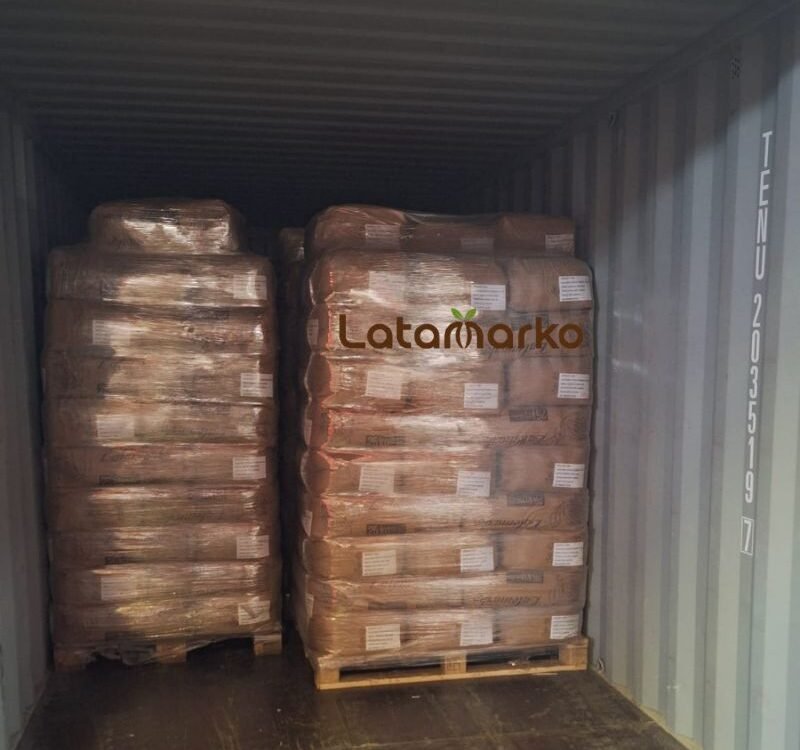
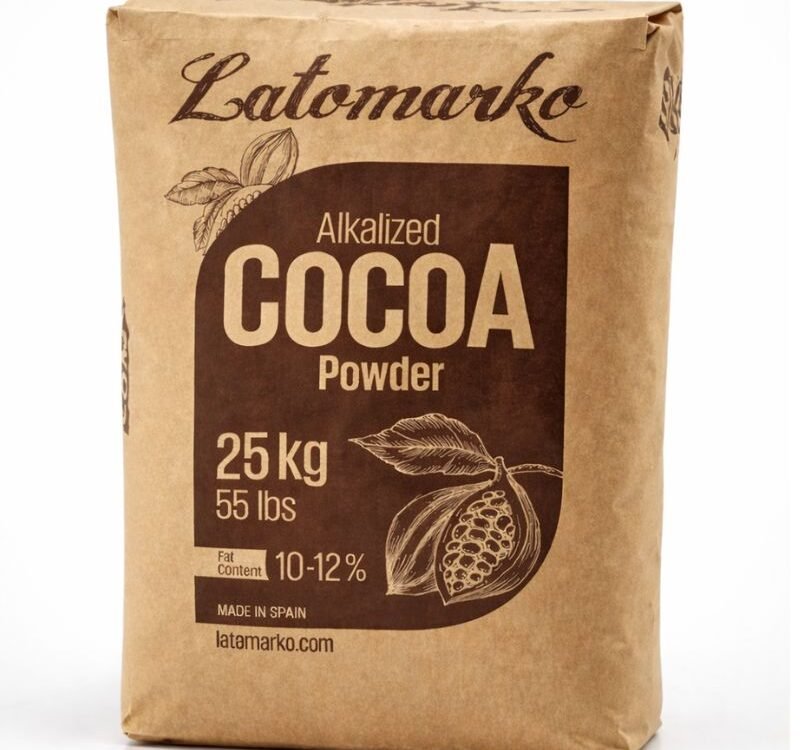
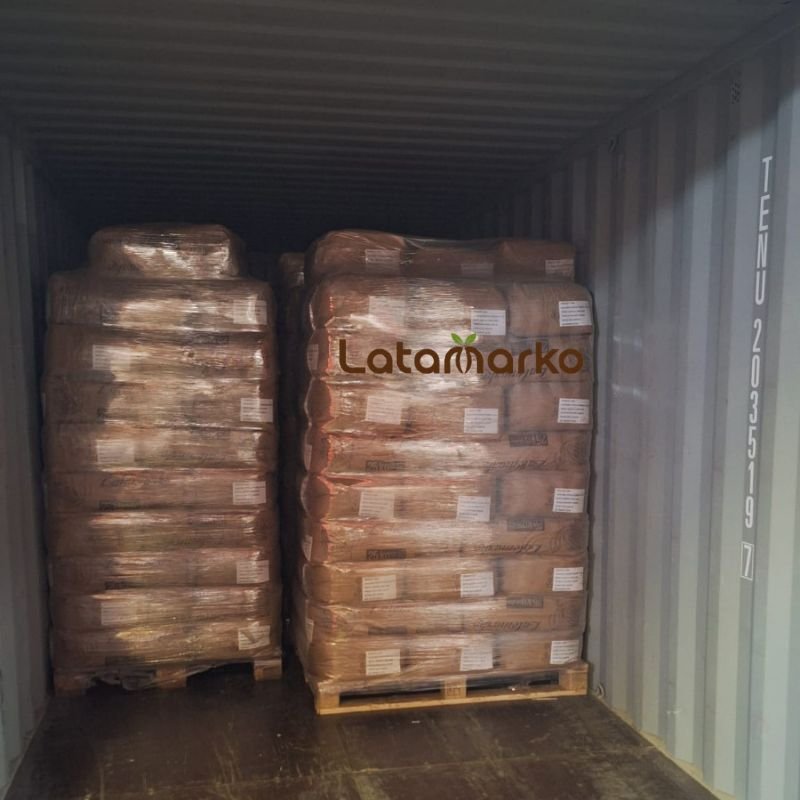
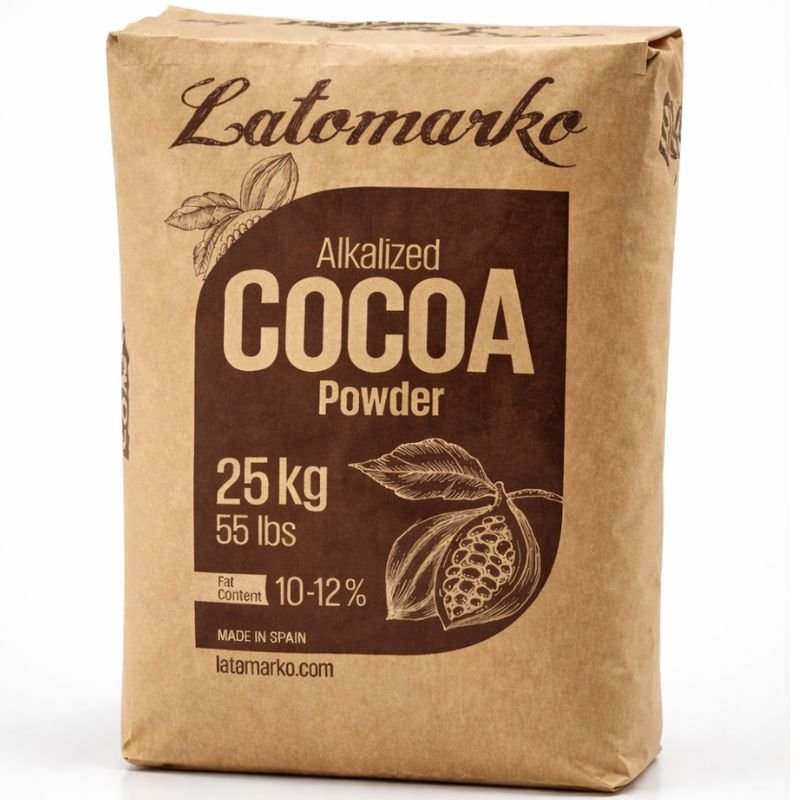
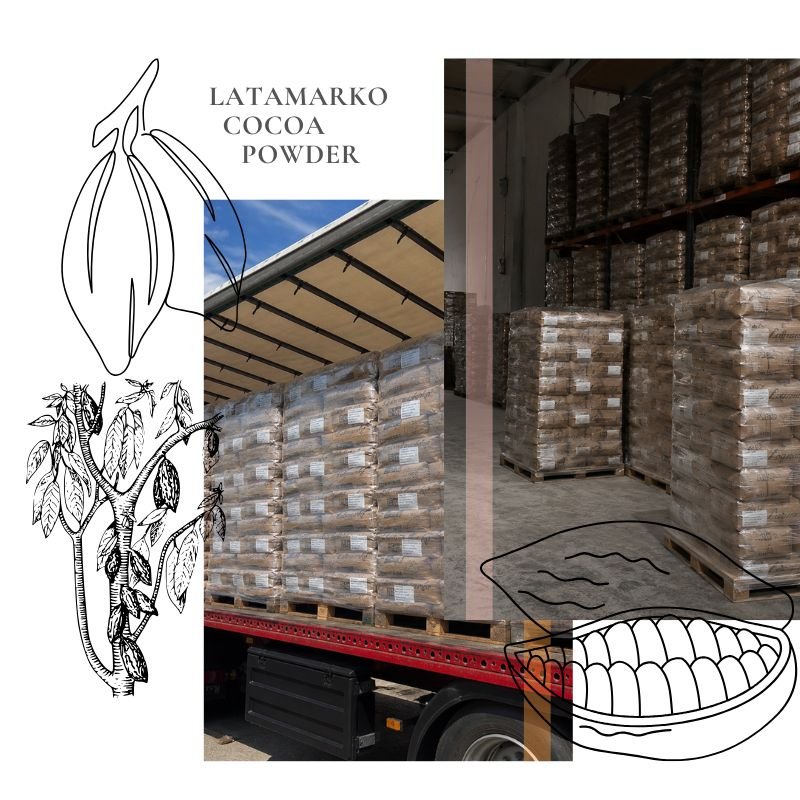
Industrial cocoa powders are commonly packed in:
- Food-grade kraft bags
- Palletized systems
- Export-ready packaging
Proper packaging helps maintain product integrity during international transportation and long-term storage.
Laboratory Testing and Quality Assurance
Modern cocoa factories rely heavily on laboratory systems for food safety verification.
Professional quality laboratories test cocoa powders for:
- Microbiological safety
- Moisture levels
- Heavy metals
- pH values
- Fat content
- Product functionality
- Particle size
- Color consistency
Continuous laboratory monitoring helps maintain stable industrial quality standards.
International Food Safety Standards
Industrial cocoa manufacturers often operate according to internationally recognized food safety systems such as:
- HACCP
- GMP (Good Manufacturing Practices)
- ISO quality systems
- European food safety regulations
Compliance with international standards helps support:
- Export operations
- Customer approval
- Regulatory requirements
- Long-term industrial partnerships
Professional buyers increasingly prioritize suppliers capable of meeting global compliance standards.
Why Food Safety Consistency Matters for Industrial Buyers
Industrial food manufacturers require suppliers capable of delivering consistent food safety performance across every shipment.
Inconsistent quality may create:
- Production interruptions
- Regulatory risks
- Consumer complaints
- Brand reputation damage
Reliable cocoa manufacturers invest heavily in food safety infrastructure to maintain stable industrial performance.
Food safety consistency is often more valuable than short-term price advantages.
LATAMARKO Food Safety Philosophy
LATAMARKO focuses on producing premium cocoa powders according to European manufacturing standards with strong emphasis on industrial quality and food safety consistency.
Produced in Spain, LATAMARKO cocoa powders are developed for demanding food manufacturing applications requiring:
- Stable product safety
- Reliable batch consistency
- Controlled processing conditions
- Professional laboratory monitoring
- International quality compliance
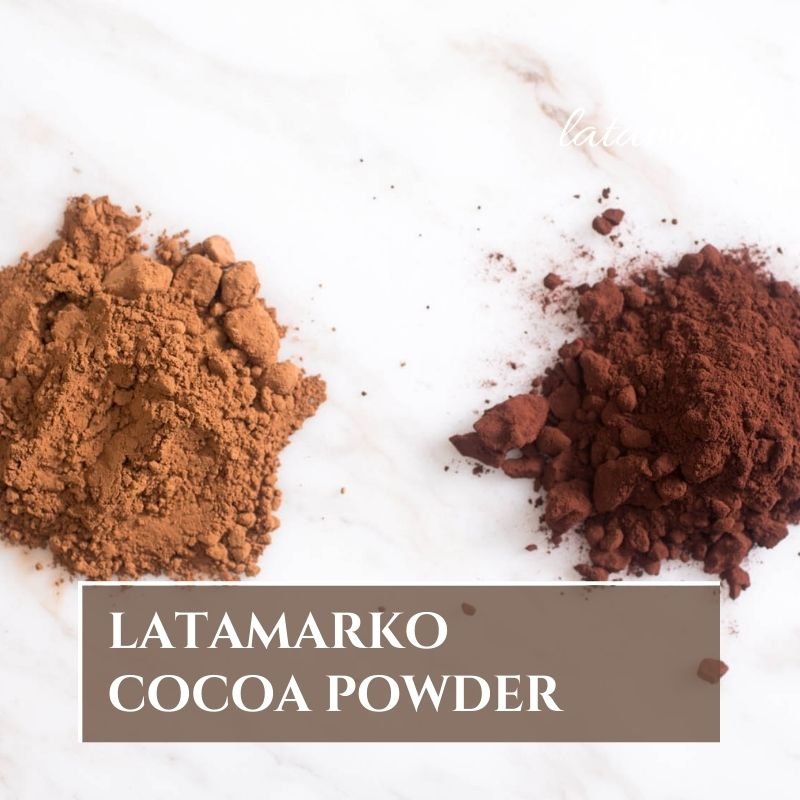
The LATAMARKO product portfolio includes:
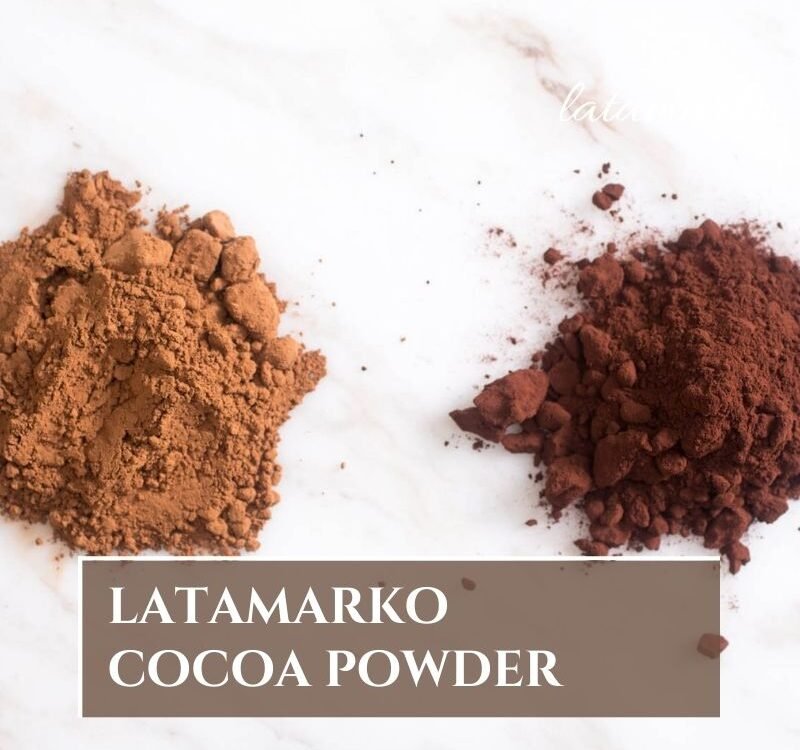
- Natural Cocoa Powder
- Alkalized Cocoa Powder
- Dark Brown Cocoa Powder
- Black Cocoa Powder
These products are widely used across:
- Chocolate manufacturing
- Bakery production
- Beverage systems
- Dairy applications
- Biscuit and wafer industries
- Confectionery production
The Future of Food Safety in Cocoa Manufacturing
Global food safety expectations continue becoming more advanced and demanding.
Industrial manufacturers increasingly prioritize suppliers capable of providing:
- Full traceability
- Stable compliance systems
- Advanced laboratory control
- Automated production systems
- Reliable food safety management
As international regulations continue evolving, food safety will remain one of the most important competitive factors in industrial cocoa manufacturing.
For professional food manufacturers, selecting a cocoa supplier with strong food safety systems is essential for protecting production stability, regulatory compliance, and long-term brand reputation.