Kenya Green Coffee: Premium Arabica for Roasters
September 1, 2026
Vietnam Green Coffee: The Power of Robusta
September 1, 2026
For professional roasters, Indonesian green coffee offers something that many origins cannot easily replicate: depth, body, earthy complexity, and a highly recognizable structural character in the cup.
That makes Indonesia especially valuable in coffee blending.
A roaster may use a Brazilian coffee to build sweetness. A Colombian coffee may contribute balance. An Ethiopian coffee may add floral or fruit complexity.
Indonesian coffee can bring something different:
Depth.
Weight.
Spice.
Earthy character.
Low-to-moderate perceived acidity.
A heavier and more persistent cup structure.
For espresso, dark roast, traditional blends, and premium full-bodied coffees, these characteristics can be commercially powerful.
But professional buyers should not treat “Indonesia” as one generic coffee origin.
A Sumatra coffee can behave very differently from Java. A wet-hulled coffee can show a different structure from a washed coffee. A selected Arabica lot for premium single-origin use requires a different purchasing approach from a commercial Indonesian Robusta intended for a high-volume espresso blend.
That is why the real sourcing question is not:
“Do you have Indonesian green coffee?”
It is:
“Which Indonesian coffee can create the exact body, depth, and blend character our product needs?”
LATAMARKO supplies Indonesian green coffee beans for professional roasters, coffee manufacturers, importers, distributors, private-label producers, and industrial buyers serving international coffee markets.
The objective is simple:
match the right Indonesian coffee with the right roasting and blending strategy.
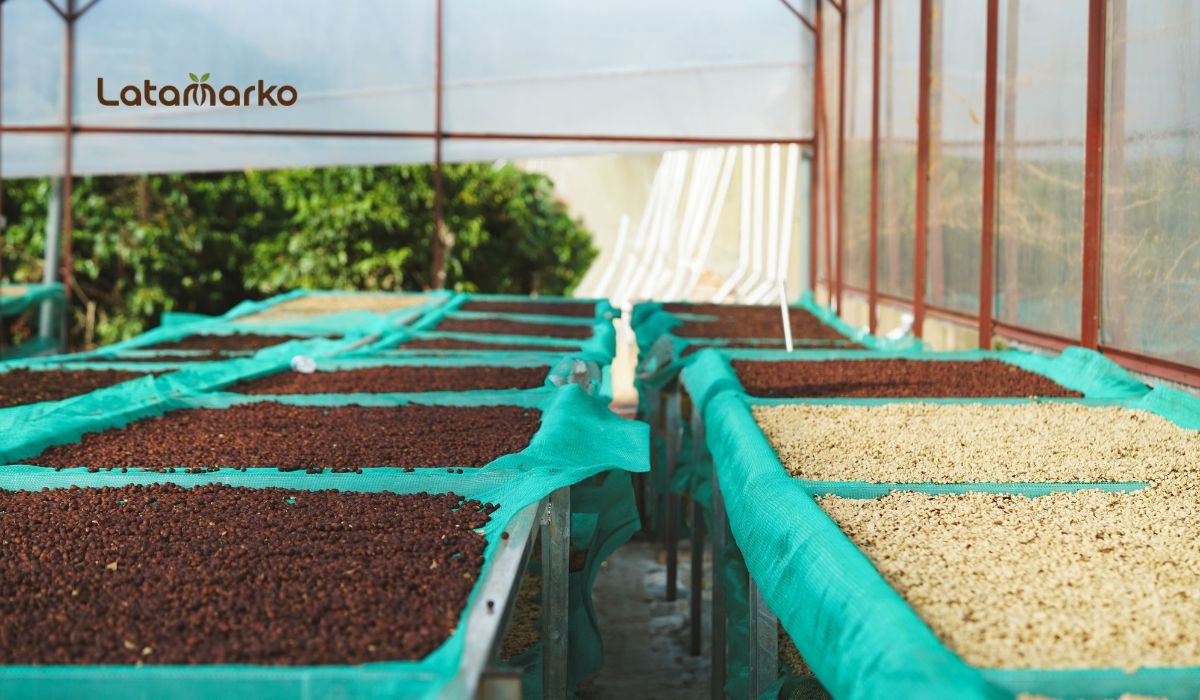
Indonesian Green Coffee for Distinctive Coffee Blends
Why Indonesia Is So Important for Coffee Blending
Indonesia has long been associated with coffees that can contribute strong structural characteristics.
Depending on the region, processing, species, and lot, Indonesian coffees may offer:
Full Body
Earthy Notes
Spice
Herbal Character
Dark Chocolate
Woody Notes
Low-to-Moderate Acidity
Long Finish
Heavy Mouthfeel
These characteristics make Indonesia especially useful where the roaster wants to create a coffee that feels substantial rather than delicate.
Potential applications include:
Espresso
Espresso Blends
Dark Roast Coffee
Premium Commercial Blends
Single-Origin Coffee
Private Label
Foodservice
Traditional Coffee Products
Industrial Roasting
Indonesia can therefore serve both premium and high-volume roasting strategies.
Indonesian Arabica and Robusta
Indonesia produces both:
Arabica
and
Robusta
These species serve different commercial roles.
Indonesian Arabica
Can be selected for:
Regional Character
Complexity
Body
Spice
Premium Blending
Single-Origin Products
Indonesian Robusta
Can be selected for:
Intensity
Crema
Body
Commercial Espresso
Industrial Roasting
High-Volume Blends
The buyer should first define what function the coffee will perform.
Only then should the species, region, and grade be selected.
Indonesian Arabica Green Coffee Beans
Indonesian Arabica can be very attractive to roasters looking for coffees with a heavier and more distinctive cup than many conventional washed Arabicas.
Depending on region, processing, crop, and lot selection, it may contribute:
Rich Body
Earthy Complexity
Spice
Chocolate
Herbal Notes
Sweetness
Low-to-Moderate Acidity
These characteristics can work particularly well in:
Espresso
Single-Origin Coffee
Premium Blends
Dark Roast Programs
Private Label
Foodservice
For a professional roaster, Indonesian Arabica can become a structural ingredient rather than only an aromatic one.
Indonesian Robusta Green Coffee Beans
Indonesia is also relevant to professional Robusta sourcing.
Depending on quality and preparation, Indonesian Robusta can be used in:
Espresso Blends
Commercial Espresso
Traditional Coffee
Foodservice
Industrial Roasting
Private Label
Strong Retail Coffee
Robusta may contribute:
Heavy Body
Crema
Intensity
Bitterness
Roast Strength
Blend Structure
For buyers producing strong espresso or high-volume commercial blends, these characteristics can be commercially important.
Sumatra Green Coffee Beans
Sumatra is one of the most recognized Indonesian coffee names internationally.
For many roasters, Sumatra is associated with a deep, heavy, and distinctive cup.
Depending on the lot, possible sensory characteristics can include:
Earthy Notes
Herbal Character
Spice
Dark Chocolate
Low Acidity
Full Body
Long Finish
This profile can make Sumatra especially attractive for:
Espresso
Dark Roast
Premium Blends
Single-Origin Coffee
Traditional Coffee Concepts
Full-Bodied Retail Coffee
A selected Sumatra can create a very clear identity in the final product.
Why Sumatra Works So Well in Blends
Sumatra can be highly useful when a blend feels too light, too bright, or lacks depth.
A roaster may use Sumatra to add:
Body
Weight
Depth
Spice
Longer Finish
Lower Perceived Acidity
This can make it a powerful balancing component.
For example, a blend with bright Ethiopian coffee may gain more structure when a carefully selected Indonesian coffee is added.
Likewise, a chocolate-driven Brazilian base may gain greater depth through Sumatra.
Java Green Coffee Beans
Java is another important Indonesian coffee origin.
Depending on region, processing, and lot, Java coffees can show profiles that are more structured, clean, and balanced than some heavier Indonesian styles.
Potential characteristics may include:
Chocolate
Spice
Cedar-Like Notes
Balanced Body
Moderate Acidity
Clean Finish
Java can be useful for:
Espresso
Premium Blends
Single-Origin Coffee
Retail Coffee
Foodservice
Private Label
For roasters seeking Indonesian identity with a somewhat more restrained cup, Java may be worth evaluating.
Sumatra vs Java
Professional buyers should not assume all Indonesian Arabica will perform similarly.
Sumatra May Be Chosen For:
Heavier Body
Earthy Complexity
Herbal Character
Lower Perceived Acidity
Strong Blend Impact
Java May Be Chosen For:
Balanced Structure
Cleaner Cup Direction
Spice
Chocolate
More Controlled Blend Integration
The correct choice depends on the target product.
Sulawesi Green Coffee
Sulawesi can also be relevant for buyers looking for distinctive Indonesian Arabica.
Selected Sulawesi coffees may offer combinations of:
Body
Sweetness
Spice
Dark Fruit
Chocolate
Clean Structure
This can make Sulawesi suitable for:
Premium Single-Origin Coffee
Specialty-Oriented Roasting
Espresso
High-End Blends
Premium Retail
Its regional identity can also provide differentiation for roasters looking beyond more commonly traded origins.
Bali Green Coffee
Bali can provide another Indonesian sourcing direction.
Depending on the lot, Bali Arabica may offer a cleaner and more balanced cup with combinations of:
Chocolate
Citrus
Sweetness
Spice
Medium Body
This can make Bali interesting for:
Single-Origin Products
Filter Coffee
Premium Espresso
Retail Coffee
Private Label
For roasters managing a broad Indonesian portfolio, Bali can create a different sensory direction from Sumatra.
Wet-Hulled Coffee and Indonesian Identity
One of the most important elements in understanding Indonesian coffee is the wet-hulled process, often associated with the term Giling Basah.
This processing style is strongly connected with the distinctive character of many Indonesian coffees.
Compared with conventional washed processing, wet-hulled coffee may show:
Heavier Body
Lower Perceived Acidity
Earthy Complexity
Herbal Notes
Spice
Distinctive Mouthfeel
These characteristics are part of why certain Indonesian coffees behave so differently from Latin American or East African washed coffees.
What Wet-Hulled Means for the Roaster
From a roasting perspective, wet-hulled coffees should be approached according to their actual physical characteristics.
Professional roasters should consider:
Moisture
Density
Bean Uniformity
Color
Processing Variation
Roast Development
The coffee may react differently from dense, high-altitude washed Arabicas.
Sample roasting therefore becomes essential.
The goal should be to preserve the coffee’s desirable depth without pushing the roast into excessive bitterness or roast-dominant flavor.
Indonesian Coffee for Espresso
Indonesia can be particularly valuable in espresso.
Many espresso products need more than aroma.
They need:
Body
Texture
Depth
Persistence
Low-to-Moderate Acidity
Indonesian coffees can help create these characteristics.
A selected Indonesian Arabica may serve as:
A Structural Blend Component
A Body Component
A Dark Chocolate Component
A Low-Acidity Component
A Standalone Espresso
This flexibility can be useful for both specialty and commercial roasters.
Indonesia in Dark Roast Coffee
Indonesian coffees can also work well in darker roast styles.
Their heavier cup structure may remain noticeable as roast development increases.
Potential applications include:
Traditional Espresso
French Roast-Style Products
Dark Retail Coffee
Full-Bodied Foodservice Coffee
Low-Acidity Coffee Concepts
However, darker roasting should be controlled carefully.
The objective should be to build depth without destroying all origin character.
Brazil + Indonesia Coffee Blends
One of the most practical blend combinations is:
Brazil + Indonesia
Brazil can contribute:
Sweetness
Chocolate
Nutty Character
Balance
Indonesia can add:
Body
Depth
Spice
Long Finish
This combination can create a rich and approachable espresso with strong structural character.
It can work well in:
Retail Espresso
Foodservice
Private Label
Commercial Premium Blends
Colombia + Indonesia Coffee Blends
Another useful combination is:
Colombia + Indonesia
Colombian coffee can contribute:
Sweetness
Caramel Character
Balanced Acidity
Clean Structure
Indonesia can contribute:
Body
Depth
Earthy Character
Spice
The result can be a balanced but heavier coffee.
This may be especially useful for roasters looking for complexity without high perceived acidity.
Ethiopia + Indonesia Coffee Blends
A more contrasting blend can combine:
Ethiopia + Indonesia
Ethiopia may provide:
Floral Aromatics
Fruit
Citrus
Brightness
Indonesia may provide:
Weight
Body
Depth
Spice
This creates a strong sensory contrast.
The blend can become both aromatic and structurally heavy.
The percentage of each coffee should be established through repeated roast and cup trials.
Brazil + Ethiopia + Indonesia
A three-origin blend can create even greater balance.
For example:
Brazil for sweetness and chocolate
Ethiopia for aroma and fruit
Indonesia for body and depth
This can create a complex espresso or premium retail blend with multiple sensory layers.
The goal is not to make every origin equally noticeable.
Each coffee should perform a specific function.
Indonesia in Traditional Espresso Blends
Traditional espresso often benefits from:
Low Perceived Acidity
Heavy Body
Dark Chocolate Character
Strong Mouthfeel
Long Finish
Selected Indonesian Arabica can support these characteristics.
Where even more intensity or crema is required, a Robusta component may also be introduced.
This makes Indonesia highly relevant to roasters serving markets where strong espresso remains the preferred style.
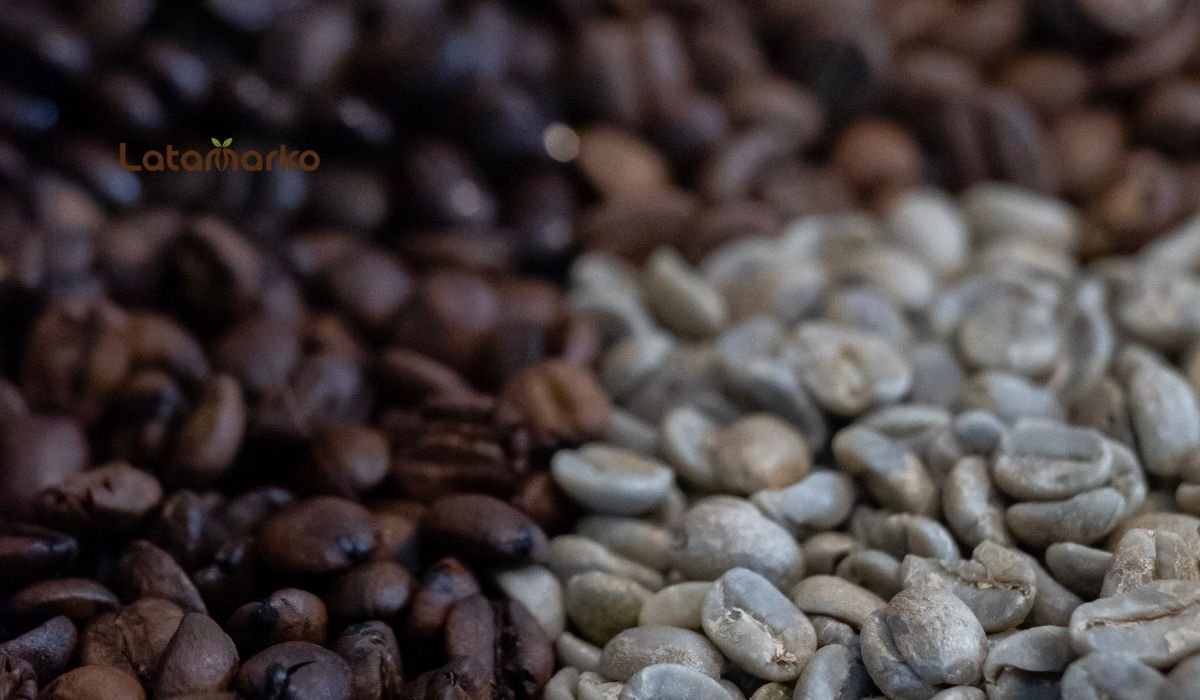
Indonesian Green Coffee for Distinctive Coffee Blends
Indonesian Robusta in Espresso Blends
Indonesian Robusta may be used when the roaster needs:
Higher Intensity
Dense Crema
Heavy Body
Dark Roast Presence
Commercial Efficiency
Possible blend directions include:
Brazil Arabica + Indonesian Robusta
Colombia Arabica + Indonesian Robusta
Indonesia Arabica + Indonesia Robusta
Brazil + Indonesia Arabica + Robusta
The correct Robusta percentage depends on the product and market.
Indonesia for Low-Acidity Coffee Concepts
Some consumers actively prefer coffees with lower perceived acidity.
Indonesian coffee can be useful in developing these products.
Potential applications include:
Dark Roast Coffee
Traditional Espresso
Low-Acidity Retail Coffee
Full-Bodied Blends
Coffee for Milk-Based Drinks
However, professional brands should avoid assuming that every Indonesian coffee automatically has low acidity.
The actual cup should be evaluated.
Indonesia for Milk-Based Coffee
Milk-based drinks can reduce the perceived intensity of espresso.
This means the underlying coffee needs sufficient structure.
Indonesian coffee can help provide:
Body
Depth
Roast Character
Chocolate Notes
Persistent Flavor
This can be useful in:
Cappuccino
Latte
Flat White
Automatic Milk Beverages
Foodservice Coffee
A heavier-bodied Indonesian component may remain noticeable after milk is added.
Indonesian Green Coffee for Single-Origin Products
Indonesia is not only a blending origin.
Selected coffees can work well as single-origin products.
Possible concepts include:
Sumatra Single Origin
Java Single Origin
Sulawesi Single Origin
Bali Single Origin
Wet-Hulled Indonesia
Premium Indonesian Arabica
These products can be positioned around:
Origin Identity
Processing
Body
Spice
Low-Acidity Character
Distinctive Cup Profile
For premium brands, this can create a clear alternative to bright East African coffees.
Indonesian Coffee for Specialty Roasters
Specialty roasters may be interested in Indonesia because it offers cup profiles that are very different from many conventional specialty origins.
They may look for:
Regional Traceability
Distinctive Processing
Selected Arabica Lots
Cleaner Wet-Hulled Coffees
Unique Sensory Character
Premium Single Origins
Specialty sourcing should be highly lot-specific.
A strong regional name does not guarantee that every lot will meet the same quality target.
Indonesian Coffee for Commercial Roasters
Large commercial roasters may prioritize:
Volume
Consistency
Blend Stability
Commercial Grades
Repeatable Supply
International Logistics
Indonesia can support both Arabica and Robusta requirements, making it useful for companies producing multiple coffee categories.
A buyer may use Indonesian Arabica in a premium blend and Indonesian Robusta in another commercial product.
This creates sourcing flexibility.
Indonesian Green Coffee for Private Label Programs
Private-label roasters often need to create different profiles for different customers.
Indonesia can support concepts such as:
Full-Bodied Espresso
Low-Acidity Blend
Dark Roast Coffee
Premium Sumatra
Traditional Arabica-Robusta Espresso
Single-Origin Indonesia
Foodservice Coffee
This diversity makes Indonesian green coffee valuable to companies managing several private-label brands.
Indonesian Green Coffee for Foodservice
Foodservice buyers often prioritize:
Consistency
Strong Cup Performance
Low Sensitivity to Brewing Variation
Body
Reliable Supply
Consumer Acceptance
Indonesian coffee can be useful where the customer wants a rich, full-bodied cup.
For espresso-oriented foodservice, the coffee should be tested under real machine conditions.
Understanding Indonesian Green Coffee Grades
Professional buyers should not rely on origin names alone.
Commercial specifications may include:
Grade
Defect Level
Screen
Moisture
Processing
Crop
Region
Cup Requirement
The exact definition should be confirmed before purchase.
This is particularly important when comparing offers from different suppliers.
Two coffees both called “Sumatra” may not represent equivalent commercial quality.
Defects and Cup Quality
Physical defects can influence:
Roasting
Cup Cleanliness
Flavor
Visual Quality
Batch Consistency
Professional buyers should review the defect specification together with sensory performance.
A visually attractive coffee can still fail in cupping.
Likewise, a coffee with less visually perfect appearance may still produce an excellent cup.
Both physical and sensory evaluation matter.
Moisture and Bean Condition
Green coffee quality must be protected throughout storage and transportation.
Buyers should monitor:
Moisture
Odor
Bag Condition
Humidity
Warehouse Temperature
Container Exposure
Storage Duration
Indonesian coffees transported over long international routes should be handled carefully to maintain quality.
Protective Packaging
For selected premium coffees, protective inner packaging such as GrainPro or other hermetic solutions may be specified where available and agreed.
This can be particularly useful for:
Long Ocean Routes
Premium Arabica
Longer Storage
High-Humidity Destinations
Quality-Sensitive Lots
Packaging should be defined before shipment.
Roast Development for Indonesian Coffee
The same Indonesian green coffee can produce very different results depending on roast strategy.
A lighter roast may preserve more:
Origin Character
Spice
Sweetness
Complexity
A more developed roast may emphasize:
Body
Chocolate
Roast Character
Low-Acidity Perception
The correct roast should reflect the final application.
There is no single roast profile for Indonesian coffee.
Sample Roasting Before Commercial Purchase
Professional sourcing should follow a controlled approval process.
A useful sequence is:
Review Specification
→ Inspect Green Beans
→ Sample Roast
→ Cup
→ Evaluate as Espresso or Filter
→ Test in Blend
→ Compare with Current Product
→ Approve Commercial Volume
For Indonesian coffee intended mainly as a blend component, testing inside the actual blend is especially important.
Test the Coffee at Its Real Blend Percentage
Suppose Sumatra will represent only 15% of an espresso blend.
Evaluating it alone does not answer the complete commercial question.
Test:
10%
15%
20%
or other realistic percentages.
Then compare:
Body
Acidity
Aroma
Depth
Aftertaste
Balance
Milk Performance
This will show the real contribution of the Indonesian component.
Consistency Across Shipments
For permanent blends, consistency can be more valuable than extraordinary variation.
Professional buyers should monitor:
Cup Profile
Physical Preparation
Moisture
Processing
Lot Changes
Crop Transition
Supply Volume
If an Indonesian coffee is responsible for the body of a flagship blend, changes in that component may affect the entire product.
Buying Indonesian Green Coffee Wholesale
When requesting Indonesian green coffee wholesale, professional buyers should define their requirements clearly.
Useful information includes:
Origin: Indonesia
Region: Sumatra / Java / Sulawesi / Bali / Other
Species: Arabica / Robusta
Processing: Wet-Hulled / Washed / Natural / Other
Grade: Required commercial grade
Screen: If required
Cup Profile: Desired sensory direction
Application: Espresso / Blend / Single Origin / Private Label
Quantity: Bags / Pallets / FCL
Packaging: Required configuration
Destination: Country and port
Clear specifications allow a supplier to recommend a more appropriate coffee.
Bulk Indonesian Green Coffee Supply
Large buyers may require:
Pallet Quantities
Full Container Loads
Multiple Containers
Recurring Monthly Shipments
Annual Supply Programs
At this scale, buyers should evaluate:
Available Volume
Consistency
Shipment Schedule
Packaging
Documentation
Lead Time
Crop Availability
Commercial Terms
The coffee must work operationally as well as sensorially.
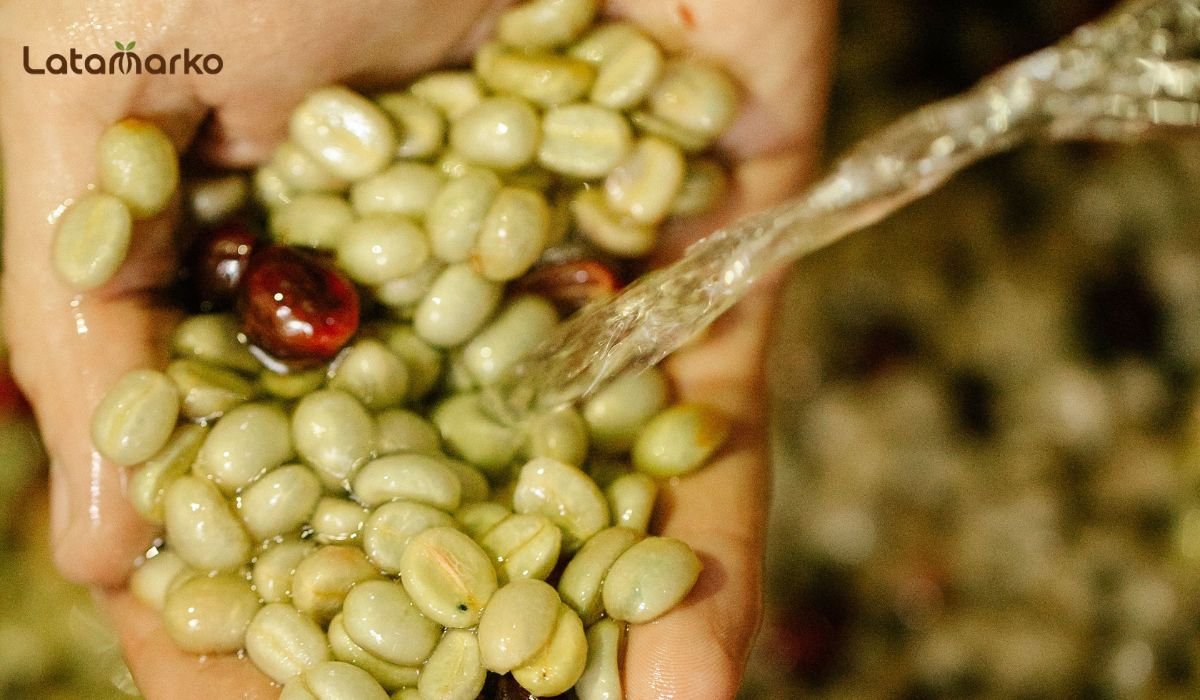
Indonesian Green Coffee for Distinctive Coffee Blends
Indonesian Green Coffee Price: Specification Comes First
There is no single commercial price for Indonesian green coffee.
Price differences can reflect:
Arabica or Robusta
Region
Grade
Processing
Defect Level
Cup Quality
Crop
Quantity
Packaging
Freight
Commercial Terms
A premium Sumatra Arabica should not be compared directly with commercial Indonesian Robusta.
Likewise, two Sumatra coffees with different cup and defect specifications should not be treated as equivalent.
Cost-in-Cup for Indonesian Coffee
Professional buyers should evaluate what the coffee actually contributes to the finished product.
A more useful calculation includes:
Green Coffee Cost
Roast Loss
Blend Percentage
Cup Contribution
Consistency
Supply Reliability
Suppose a specific Indonesian coffee adds enough body that only 15% is required in a blend.
Another coffee may be cheaper but require a higher inclusion rate.
The cheapest green coffee may not always produce the lowest commercial cost.
The better question is:
How much value does this coffee create in the final blend?
Commercial, Premium, and Specialty Indonesian Coffee
Indonesia can support different market segments.
Commercial Indonesian Coffee
Suitable where the priorities include:
Volume
Blend Function
Availability
Industrial Production
Commercial Efficiency
Premium Commercial Indonesia
Suitable for buyers looking for:
Improved Cup Quality
Better Preparation
Reliable Volume
Premium Blend Performance
Specialty-Oriented Indonesia
Suitable for roasters prioritizing:
Regional Identity
Distinctive Processing
Traceability
Complex Cup Profiles
Premium Single-Origin Positioning
The correct level depends on the finished product.
How Professional Roasters Should Select Indonesian Green Coffee
Before purchasing, define these seven points.
1. What Role Will Indonesia Play?
Body, depth, spice, lower perceived acidity, crema, or origin identity?
2. Arabica or Robusta?
The answer depends on the final application.
3. Which Region?
Sumatra, Java, Sulawesi, Bali, or another Indonesian origin?
4. Which Processing Method?
Wet-Hulled, Washed, Natural, or another process?
5. What Is the Final Product?
Espresso, blend, dark roast, single origin, foodservice, or private label?
6. What Volume Is Required?
Small specialty lots and recurring container programs require different sourcing strategies.
7. Can the Profile Be Repeated?
For permanent blends, consistency is essential.
LATAMARKO Indonesian Green Coffee Supply
LATAMARKO supplies Indonesian green coffee beans for professional roasters, coffee manufacturers, importers, distributors, private-label producers, and industrial coffee buyers serving international markets.
Depending on availability and required specification, sourcing options can include:
Indonesia Arabica
Indonesia Robusta
Sumatra Green Coffee
Java Green Coffee
Sulawesi Green Coffee
Bali Green Coffee
Wet-Hulled Indonesian Coffee
and other relevant commercial preparations.
The goal is not simply to offer “Indonesia coffee.”
A roaster searching for a full-bodied Sumatra for a premium espresso blend has a different requirement from a manufacturer sourcing Indonesian Robusta for large-scale production.
A buyer developing a single-origin Java product requires another sourcing strategy.
LATAMARKO evaluates each requirement according to:
Origin
Species
Processing
Cup Target
Roasting Application
Quality Level
Required Volume
Packaging
Destination
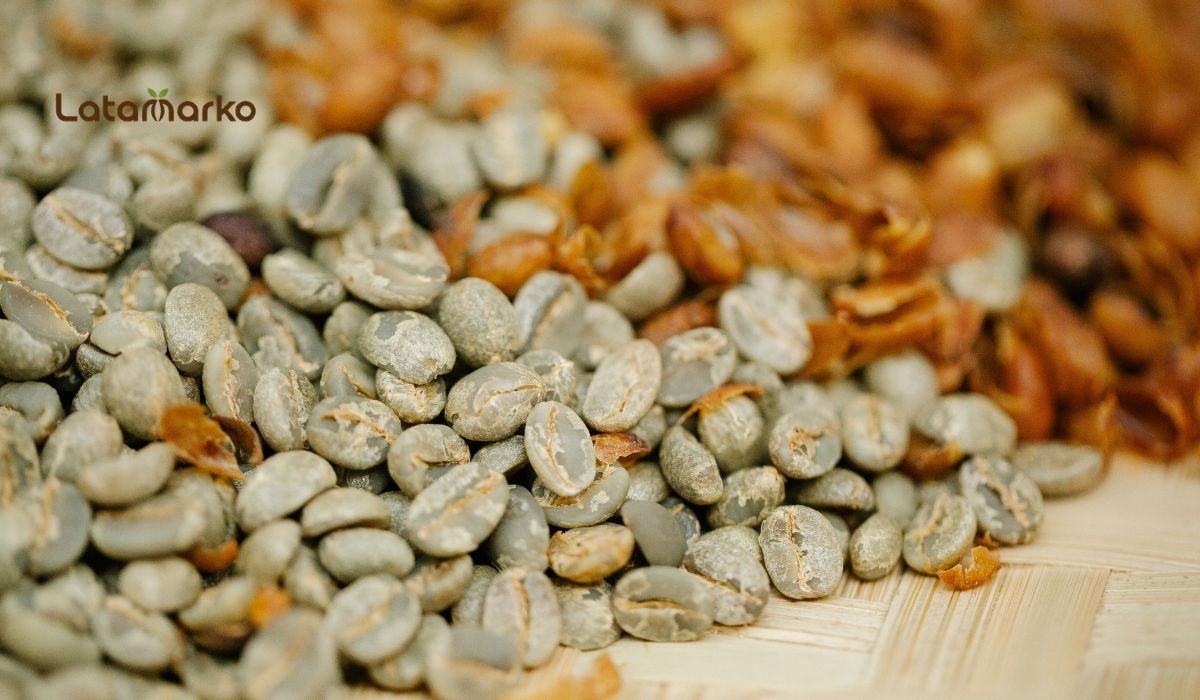
Indonesian Green Coffee for Distinctive Coffee Blends
Request Indonesian Green Coffee for Your Blend
If you are sourcing Indonesian Green Coffee for Distinctive Coffee Blends, provide a clear description of the product you want to create.
Tell LATAMARKO:
Do you require Arabica or Robusta?
Are you looking for Sumatra, Java, Sulawesi, Bali, or another region?
Do you require Wet-Hulled or another processing method?
What cup profile are you targeting?
Do you need body, spice, chocolate, lower perceived acidity, or stronger espresso structure?
Will the coffee be used as a single origin or blend component?
What percentage do you expect to use in the blend?
What is your required monthly or annual volume?
Do you purchase bags, pallets, or full-container quantities?
What is your destination country or port?
Do you require specific packaging or protective inner bags?
Would you like to evaluate a representative sample before commercial approval?
If you already use Indonesian coffee, your existing green coffee specification or target blend can also be used as a benchmark.
Indonesia’s value in professional roasting is not based on being the loudest coffee in the blend. It is often the coffee that gives the blend its depth, weight, and identity.
For one roaster, that may mean a heavy-bodied Sumatra supporting a flagship espresso.
For another, it may mean Java adding spice and structure without overpowering the blend.
For a specialty brand, Indonesia may become a distinctive single-origin category.
For an industrial buyer, Indonesian Arabica or Robusta may support scalable commercial production.
That is the strategic value of Indonesian Green Coffee for Distinctive Coffee Blends:
using origin not simply for flavor variety, but to engineer body, balance, depth, and commercial identity into the finished coffee.