Cocoa Powder for Compound Chocolate
September 5, 2026
Cocoa Powder for Ice Cream Production
September 6, 2026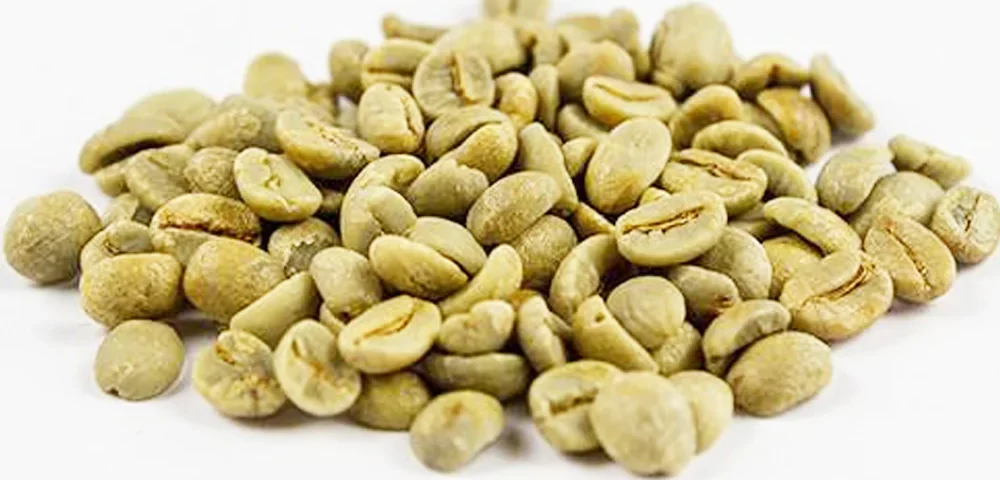
For professional roasters, Brazil green coffee is not simply one of the world’s largest-volume coffee origins—it is one of the most commercially versatile tools in the roastery.
A Brazilian coffee can become the foundation of a high-volume espresso blend. It can deliver sweetness and body to a premium retail coffee. It can support a private-label program that requires repeatable quality and scalable supply. And, when the right region and lot are selected, Brazil can also provide distinctive single-origin coffees for roasters looking beyond conventional commercial profiles.
That is what makes Brazil strategically important.
The real question for a professional buyer is not:
“Should we buy Brazilian coffee?”
It is:
“Which Brazilian green coffee gives us the cup profile, roast performance, consistency, volume, and commercial positioning we need?”
A roaster searching for Brazil Santos may have completely different requirements from one sourcing Cerrado, Sul de Minas, or Mogiana. Another buyer may need Brazil Arabica Screen 17/18 for an espresso program, while an industrial roasting company may be considering Brazilian coffee as a recurring component of a multi-origin blend.
LATAMARKO supplies green coffee beans for professional roasters, coffee manufacturers, importers, distributors, and industrial buyers serving international markets.
Within Brazil, buyers can evaluate different coffee directions according to origin, species, grade, screen size, cup profile, processing, required volume, and final roasting application.
Because in professional coffee sourcing, Brazil should not be purchased only because it is available.
It should be purchased because it has a defined role in the cup—and a defined role in the business.
Brazil Green Coffee From Origin to Roastery
Why Brazil Is So Important to Professional Roasters
Brazil has a unique position in global coffee sourcing because it can serve very different segments of the roasting industry.
Brazilian green coffee can be used in:
Espresso Blends
100% Arabica Blends
Single-Origin Coffee
Commercial Roasting
Premium Retail Coffee
Private Label Programs
Foodservice Coffee
Filter Coffee
Industrial Coffee Production
Large-Volume Roasting Programs
For a small specialty roaster, Brazil may provide a sweet and balanced single-origin coffee.
For a larger roaster, it may provide the stable base required for a flagship espresso blend.
For an industrial manufacturer, it can become a strategic origin where volume, availability, consistency, and cup performance need to work together.
This range of possibilities is one of Brazil’s strongest commercial advantages.
Brazilian Green Coffee Is Not One Single Profile
The phrase Brazil green coffee covers an enormous range of products.
A professional roaster should never assume that all Brazilian coffees taste or perform the same.
Differences may result from:
Growing Region
Species
Variety
Altitude
Processing Method
Screen Size
Defect Preparation
Harvest Conditions
Cup Quality
Lot Selection
Storage
Commercial Grade
This means two coffees both labeled “Brazil Arabica” can produce noticeably different results after roasting.
One may be ideal for a chocolate-driven espresso.
Another may offer more sweetness and nutty character.
Another may be cleaner and more expressive for a single-origin retail program.
The country name is only the starting point.
Green Coffee Beans: From Origin to Industry
Brazilian Arabica Green Coffee Beans
Brazilian Arabica is among the most widely used coffees in professional roasting.
Depending on the lot, region, processing, and roast profile, Brazilian Arabica can contribute characteristics such as:
Sweetness
Chocolate Notes
Nutty Character
Caramel-Like Notes
Moderate Acidity
Balanced Body
Smooth Cup Structure
These characteristics make Brazilian Arabica especially attractive for espresso-oriented roasting.
However, professional buyers should avoid reducing Brazilian Arabica to a single “chocolate and nuts” profile.
The exact cup should always be evaluated through sample roasting and cupping.
Brazilian Robusta and Conilon Coffee
Brazil is also relevant beyond Arabica.
Conilon, Brazil’s major Canephora coffee type, can be important for buyers developing commercial espresso blends or other applications where body, intensity, crema, and commercial efficiency are priorities.
Depending on the product strategy, Brazilian Conilon may be considered for:
Commercial Espresso
Espresso Blends
High-Body Coffee Products
Foodservice
Industrial Roasting
Value-Oriented Coffee Programs
A roaster creating a 100% Arabica premium product has very different requirements from a manufacturer developing a strong commercial espresso blend.
Therefore, Arabica and Conilon should not be compared as though one is universally superior.
They serve different roasting strategies.
Brazil Santos Green Coffee Beans
Brazil Santos is one of the most familiar names in international green coffee trading.
For many professional roasters, it represents a practical entry point into Brazilian commercial Arabica.
Brazil Santos can be evaluated for:
Espresso
Espresso Blends
Retail Coffee
Commercial Roasting
Private Label
Foodservice
Medium-to-Large Volume Programs
However, professional buyers should remember that “Santos” is not enough information to approve a coffee.
A commercial inquiry should also consider:
Screen Size
Defect Specification
Cup Profile
Processing
Crop
Moisture
Required Volume
Packaging
The more precise the specification, the more meaningful the comparison between offers becomes.
Brazil Santos Screen 17/18
For buyers who require greater bean-size uniformity, Brazil Santos Screen 17/18 is a common commercial specification to evaluate.
Screen size can matter because a more uniform physical preparation may support greater consistency during roasting.
Potential applications include:
Professional Espresso
Premium Commercial Blends
Retail Coffee
Private Label Coffee
Foodservice
High-Volume Roasting
But screen size should never be treated as the only indicator of quality.
A larger bean does not automatically create a better cup.
Professional buyers should evaluate:
Physical Quality + Cup Quality + Roast Performance + Commercial Suitability
together.
Cerrado Green Coffee Beans
Cerrado is one of Brazil’s important coffee-producing regions and is highly relevant to professional roasters looking for coffees with recognizable regional positioning.
Depending on the lot, Cerrado coffees can offer balanced profiles with combinations of:
Sweetness
Chocolate
Nuts
Caramel
Balanced Acidity
Structured Body
This can make Cerrado especially interesting for:
Espresso
Single-Origin Retail Coffee
Premium Commercial Coffee
Specialty-Oriented Programs
Blend Development
Cerrado can be particularly useful for roasters who want the commercial familiarity of Brazil but with more regional specificity than a generic “Brazil” designation.
Sul de Minas Green Coffee Beans
Sul de Minas is another major Brazilian coffee region with strong relevance to international roasting businesses.
Its coffees can be used across a broad range of applications depending on grade and lot selection.
Potential directions include:
Single-Origin Coffee
Espresso
Premium Espresso Blends
Retail Coffee
Filter Coffee
Private Label Programs
Commercial Roasting
For professional roasters, Sul de Minas can offer an attractive bridge between volume-oriented sourcing and more origin-focused product development.
As always, the exact lot should determine the purchasing decision.
Mogiana Green Coffee Beans
Mogiana is another Brazilian origin that can be valuable for roasters seeking balanced coffees with strong commercial usability.
Depending on the lot, Mogiana coffees can be evaluated for:
Espresso
Espresso Blends
Single-Origin Products
Premium Retail Coffee
Foodservice
Private Label
Medium-to-Large Volume Roasting
Regional identity can also help roasters differentiate their product portfolio.
Instead of selling simply “Brazil Coffee,” a roaster may choose to introduce:
Brazil Cerrado
Brazil Sul de Minas
Brazil Mogiana
This provides a stronger origin story while still working within the broader commercial strength of Brazilian coffee.
Brazil Green Coffee for Espresso
Brazil is especially important in espresso.
Why?
Because many espresso profiles benefit from characteristics often found in well-selected Brazilian coffees:
Sweetness
Body
Chocolate Character
Nutty Notes
Moderate Acidity
Balanced Structure
This can help create espresso that is approachable and commercially versatile.
A Brazilian coffee can serve as:
The Base of the Blend
A Sweetness Component
A Body Component
A Chocolate-Oriented Component
A Standalone Espresso
The correct role depends on the coffee and the roast strategy.
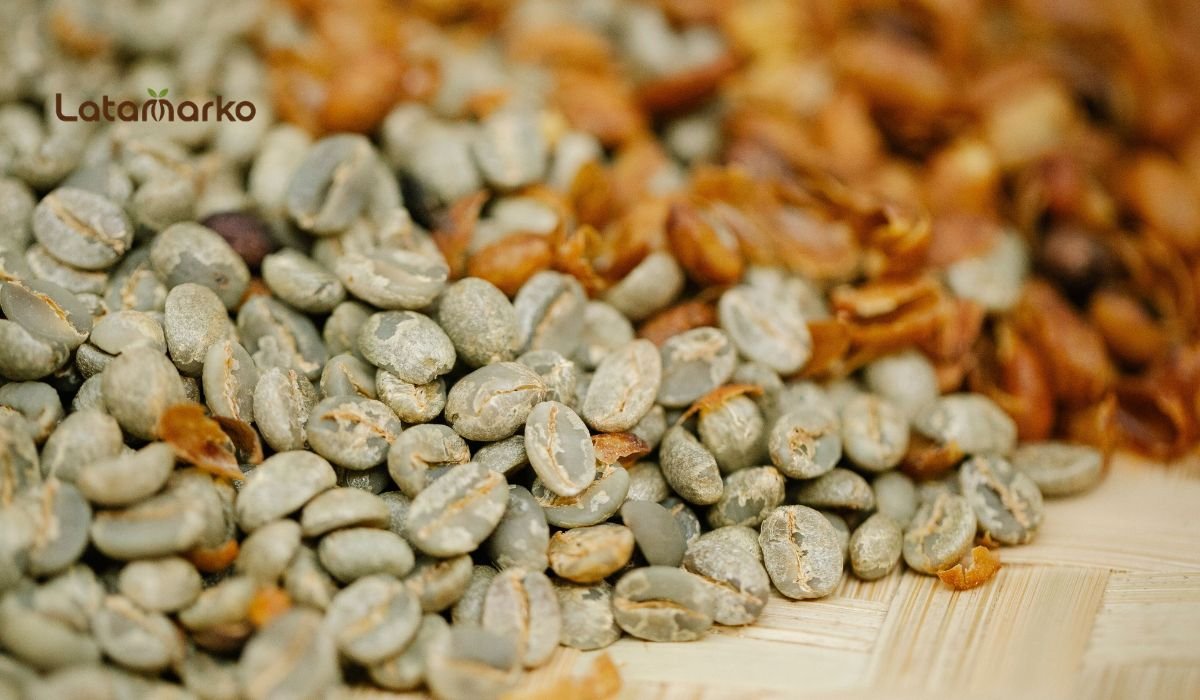
Brazil Green Coffee From Origin to Roastery
Brazil as the Foundation of an Espresso Blend
Many professional roasters build blends by assigning each origin a specific function.
A Brazilian Arabica may provide the foundation.
Then another origin may be added for acidity, fruit, aroma, or additional complexity.
Possible combinations include:
Brazil + Colombia
Brazil + Ethiopia
Brazil + Central America
Brazil + India
Brazil + Robusta
Each combination produces a different commercial direction.
For example:
Brazil + Colombia
Can support balanced, sweet espresso profiles.
Brazil + Ethiopia
Can introduce more aromatic and fruit-driven contrast.
Brazil + Robusta
Can be used when stronger body, intensity, and crema are central to the product concept.
The percentage and exact coffees should be established through roasting and sensory trials.
Brazil Green Coffee for 100% Arabica Blends
Brazil is also highly relevant for roasters creating 100% Arabica blends.
A Brazilian component can provide a stable structural base while additional Arabica origins contribute different sensory characteristics.
For example, a roaster might build a blend around:
Brazil for Body and Sweetness
Colombia for Balance
Ethiopia for Aromatic Complexity
The objective is not necessarily to make every origin equally noticeable.
Professional blending is about making each origin perform a particular role in the final cup.
Brazil Green Coffee for Single-Origin Products
Brazil should not be considered only a blending origin.
Selected Brazilian coffees can also work effectively as single-origin products.
Regional coffees from areas such as Cerrado, Sul de Minas, or Mogiana can provide stronger geographic identity for retail programs.
A single-origin Brazil can be positioned for:
Espresso
Filter
Whole Bean Retail
Ground Coffee
Premium Private Label
Specialty-Oriented Products
The success of the product depends on selecting a lot whose cup profile is sufficiently distinctive and consistent for the desired market.
Brazil Green Coffee for Commercial Roasters
Large roasting companies operate under different conditions from micro-roasters.
They may need coffee that can support:
Continuous Production
Large Annual Volumes
Multiple Roasting Lines
Multiple Markets
Consistent Blend Profiles
Predictable Supply
Competitive Cost Structure
For these companies, the most exotic lot is not always the most useful lot.
A coffee that delivers reliable quality across recurring commercial shipments may be more valuable than a small exceptional lot that cannot be repeated.
This is where Brazil becomes strategically important.
It can offer the scale required by professional roasting operations while still providing different quality and origin options.
Brazil Green Coffee for Private Label Programs
Private label roasters may need to develop multiple products for different customers.
Brazil can support a wide range of concepts:
100% Brazil Coffee
Brazilian Espresso
Premium Brazil Single Origin
Brazil-Based Espresso Blend
Commercial Foodservice Blend
100% Arabica Private Label Blend
Brazil + Robusta Espresso
The same origin can therefore support several product levels.
This can simplify sourcing strategies for companies that manage many private-label clients.
Brazil Green Coffee for Foodservice
Restaurants, hotels, cafés, catering companies, offices, and institutional buyers often require coffee that is:
Consistent
Approachable
Reliable
Easy to Reproduce
Suitable for Espresso or Automatic Machines
Brazilian coffees can be particularly useful in these applications because they can support balanced profiles with broad consumer acceptance.
For foodservice-oriented roasters, consistency may be more commercially important than extreme flavor differentiation.
Natural and Pulped Natural Brazilian Coffee
Processing method is another important consideration.
Brazilian coffee is commonly associated with processing styles such as:
Natural
and
Pulped Natural
The process can influence sweetness, body, clarity, fruit character, and overall cup structure.
Natural Brazilian coffees may be particularly attractive for espresso-oriented applications where sweetness and body are desired.
Pulped Natural coffees may offer another balance of sweetness and clarity depending on the specific lot.
Again, the label should not replace tasting.
Professional buyers should evaluate the actual coffee.
Fine Cup vs Commercial Brazilian Coffee
Brazilian green coffee can be sourced across different quality segments.
Fine Cup
A Fine Cup Brazilian coffee may be considered where the buyer is looking for cleaner sensory quality and a stronger premium direction.
Potential applications include:
Premium Espresso
Retail Coffee
Single-Origin Products
Higher-End Private Label
Commercial Coffee
Commercial Brazilian coffee may be more appropriate where priorities include:
Volume
Blend Performance
Consistency
Cost Management
Foodservice
Industrial Production
Neither category should be treated as universally superior.
A commercial roasting company needs the coffee that fits its actual product and market.
Screen Size in Brazilian Green Coffee
Screen size is often included in Brazilian coffee specifications.
A buyer may encounter references such as:
Screen 14
Screen 15
Screen 16
Screen 17
Screen 18
or combined preparations such as:
Screen 17/18
Bean-size distribution can influence physical uniformity and may be relevant to roast management.
However, screen size is only one component of a professional purchasing specification.
It should be considered alongside:
Defects
Moisture
Density
Cup Profile
Processing
Crop
Overall Lot Quality
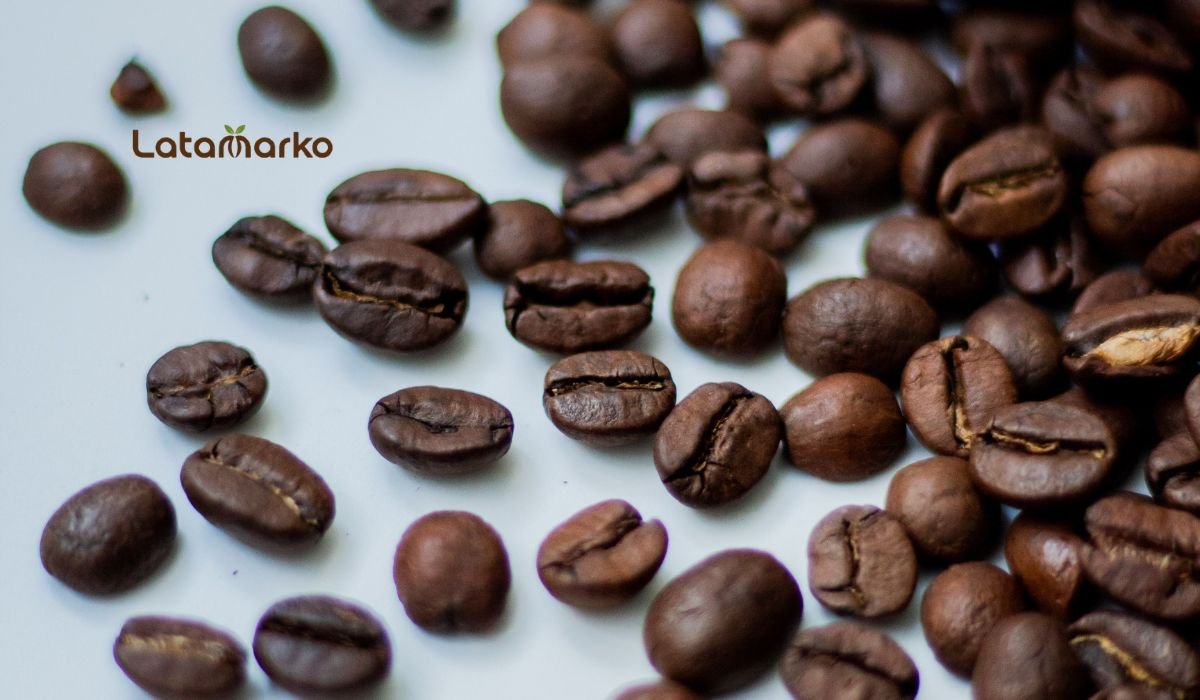
Brazil Green Coffee From Origin to Roastery
Defects and Physical Preparation
Professional roasters should understand the defect specification of the green coffee they purchase.
Physical defects can influence:
Roasting
Cup Consistency
Visual Quality
Sensory Performance
Production Efficiency
For this reason, commercial buyers should request clearly defined specifications rather than relying solely on country and grade names.
If the roaster has an existing specification, it can also be used as a benchmark when evaluating alternative Brazilian coffees.
Moisture and Green Coffee Condition
Green coffee should arrive in suitable physical condition for storage and roasting.
Moisture is therefore an important quality parameter.
But professional green coffee management goes beyond a number on a specification sheet.
Buyers should also consider:
Warehouse Conditions
Humidity
Temperature
Odor Exposure
Packaging
Transportation Conditions
Poor storage can reduce the value of good coffee.
A professional sourcing program must therefore protect the coffee from origin to the roastery.
Why Crop Information Matters
Crop information can become particularly important for roasters running recurring programs.
A coffee may perform consistently throughout one crop, but the next crop should still be evaluated before full production adoption.
Professional roasters can use sample approval to monitor:
Cup Changes
Moisture
Physical Quality
Roast Behavior
Blend Impact
This allows the roaster to manage crop transitions with less risk.
For a flagship espresso blend, even subtle changes can matter.
Sample Roasting Before Buying Commercial Volume
A professional green coffee purchase should move through a controlled evaluation process.
A useful sequence is:
Review Specification
→ Inspect Green Coffee
→ Sample Roast
→ Cup
→ Test Intended Brewing Method
→ Evaluate in Blend if Relevant
→ Compare Against Current Coffee
→ Approve Commercial Purchase
The testing method should match the product.
If the coffee is intended for espresso, evaluate it as espresso.
If it is intended for a blend, evaluate it inside the proposed blend.
If it is intended for a single-origin filter product, test it accordingly.
This sounds obvious, but it is one of the most important principles in professional sourcing.
Consistency Across Commercial Shipments
For large roasters, the question is not whether one sample is excellent.
The question is whether the required profile can be maintained across commercial supply.
Imagine a company sells thousands of kilograms of one espresso blend every month.
Its customers expect the same:
Body
Sweetness
Acidity
Aroma
Color
Aftertaste
with every purchase.
If the Brazilian component changes significantly, the entire blend can change.
Professional buyers should therefore evaluate:
Lot Consistency
Specification Consistency
Supply Availability
Crop Transition
Commercial Volume
Communication
Long-Term Supply Strategy
The larger the roasting operation, the more important these factors become.
Buying Brazil Green Coffee Wholesale
When requesting Brazil green coffee wholesale, professional buyers should provide a clear purchasing specification.
Useful information includes:
Origin: Brazil
Region: Santos / Cerrado / Sul de Minas / Mogiana / Other
Species: Arabica / Conilon
Grade: Required commercial preparation
Screen: For example 17/18 if required
Process: Natural / Pulped Natural / Other
Cup Requirement: If defined
Crop: Required crop information
Application: Espresso / Blend / Filter / Private Label
Quantity: Bags / Pallets / FCL
Destination: Country and port
Packaging: Required configuration
The stronger the inquiry, the easier it becomes to identify a suitable coffee rather than simply quoting a generic Brazilian grade.
Bulk Brazil Green Coffee Beans
Larger roasters often require more than occasional bag-level purchases.
They may require:
Pallet Quantities
Full Container Loads
Multiple Containers
Recurring Monthly Shipments
Annual Supply Programs
At this scale, procurement becomes both a coffee decision and a supply-chain decision.
The buyer must evaluate:
Quality
Volume
Continuity
Lead Time
Packaging
Documentation
Shipment Planning
Commercial Terms
A coffee that works perfectly in the cup but cannot support the required volume may not be suitable for a large industrial program.
Packaging for Brazilian Green Coffee
Green coffee packaging should be appropriate for the intended route and storage program.
Depending on the supply specification, coffee may be packed in traditional coffee bags and may also use protective inner packaging such as GrainPro where required.
Professional buyers should confirm packaging before commercial shipment.
Relevant considerations can include:
Bag Weight
Inner Protection
Labeling
Lot Identification
Handling
Storage Duration
For international trade, packaging is part of green coffee quality management.
From Brazilian Origin to the Roastery
A successful green coffee purchase involves much more than selecting coffee at origin.
The full journey can include:
Coffee Selection
→ Sample Approval
→ Commercial Confirmation
→ Preparation
→ Packaging
→ Export Documentation
→ Container Loading
→ International Freight
→ Import Procedures
→ Warehousing
→ Delivery to Roastery
→ Production Roasting
The quality of the sourcing program depends on how well this entire chain is managed.
For international roasters, logistics and green coffee expertise should work together.
Brazil Green Coffee and Cost-in-Cup
Professional buyers should avoid comparing Brazilian coffees only by the quoted price per kilogram.
A better commercial comparison includes:
Green Coffee Price
Roast Loss
Blend Percentage
Cup Performance
Consistency
Required Quality Level
Supply Reliability
The final question is:
What commercial value does this coffee create in the finished cup?
A slightly different green coffee price can be justified if the coffee allows a roaster to achieve the required quality, blend structure, or product positioning more effectively.
Likewise, paying for a premium grade that delivers no meaningful benefit in the finished product may not make commercial sense.
Specialty Brazil vs Commercial Brazil
Brazil can serve both specialty and commercial coffee businesses.
Specialty-Oriented Brazil
Best suited to buyers prioritizing:
Distinctive Cup
Traceability
Regional Identity
Selected Lots
Premium Retail Positioning
Premium Commercial Brazil
Suitable where the buyer needs:
Reliable Cup Quality
Good Physical Preparation
Scalable Supply
Consistent Performance
Strong Commercial Positioning
Commercial Brazil
Useful when the priorities are:
Volume
Blend Function
Availability
Consistency
Production Economics
The right segment depends on the roaster’s customer and business model.
How Professional Roasters Should Select Brazilian Green Coffee
Before purchasing, define the role Brazil will play in your coffee portfolio.
1. Is It a Single Origin or a Blend Component?
This changes everything from cup selection to required volume.
2. What Flavor Direction Do You Need?
Chocolate, nutty, sweet, balanced, clean, heavier-bodied, or more complex?
3. Which Brazilian Region or Grade Fits the Product?
Santos, Cerrado, Sul de Minas, Mogiana, or another option?
4. What Screen and Physical Specification Are Required?
For example, Screen 17/18 may be important for certain purchasing programs.
5. What Volume Do You Need?
A few bags for a seasonal release and multiple containers for an annual espresso program require different sourcing strategies.
6. Can the Coffee Be Repeated?
For permanent products, consistent recurring supply is essential.
Once these questions are clear, the sourcing process becomes much more focused.
LATAMARKO Brazil Green Coffee Beans
LATAMARKO supplies Brazil green coffee beans for professional roasters, coffee manufacturers, importers, distributors, private-label producers, and industrial buyers across international markets.
Brazilian coffee options can include, depending on availability and specification:
Brazil Santos
Brazil Santos Screen 17/18
Cerrado
Sul de Minas
Mogiana
Brazil Arabica
Brazil Conilon
Fine Cup and Commercial Preparations
The objective is not simply to offer “Brazil coffee.”
The objective is to match the coffee with the buyer’s roasting strategy, target cup, production scale, and commercial market.
A roaster developing a premium single-origin Cerrado requires a different product from an industrial manufacturer sourcing Brazilian coffee for a recurring espresso blend.
LATAMARKO approaches these as different sourcing projects.
Request Brazil Green Coffee for Your Roastery
If you are looking for Brazil Green Coffee for professional roasting, a strong inquiry should describe the product you need to create.
Provide information such as:
Brazilian region or grade required
Arabica or Conilon
Preferred screen size
Required processing method
Target cup profile
Espresso, filter, blend, or single-origin application
Current specification, if available
Required quantity
Monthly or annual volume
Destination country or port
Packaging requirements
Sample requirement
This makes it possible to evaluate Brazilian coffee based on your actual commercial objective rather than offering a generic origin.
The right Brazilian green coffee should do more than fill a roaster hopper. It should perform a specific function in the cup, remain commercially viable at the required scale, and support the consistency of the product your customers buy every day.
From Santos and Cerrado to Sul de Minas, Mogiana, Arabica, and Conilon, Brazil provides professional roasters with an unusually broad sourcing platform.
It can serve a boutique single-origin program.
It can build the foundation of a premium espresso.
It can support a private-label business.
And it can become a recurring origin for large-scale commercial roasting.
That is the real value of Brazil Green Coffee: From Origin to Roastery:
the ability to move from origin selection to roast performance, and from roast performance to a coffee business that can scale.