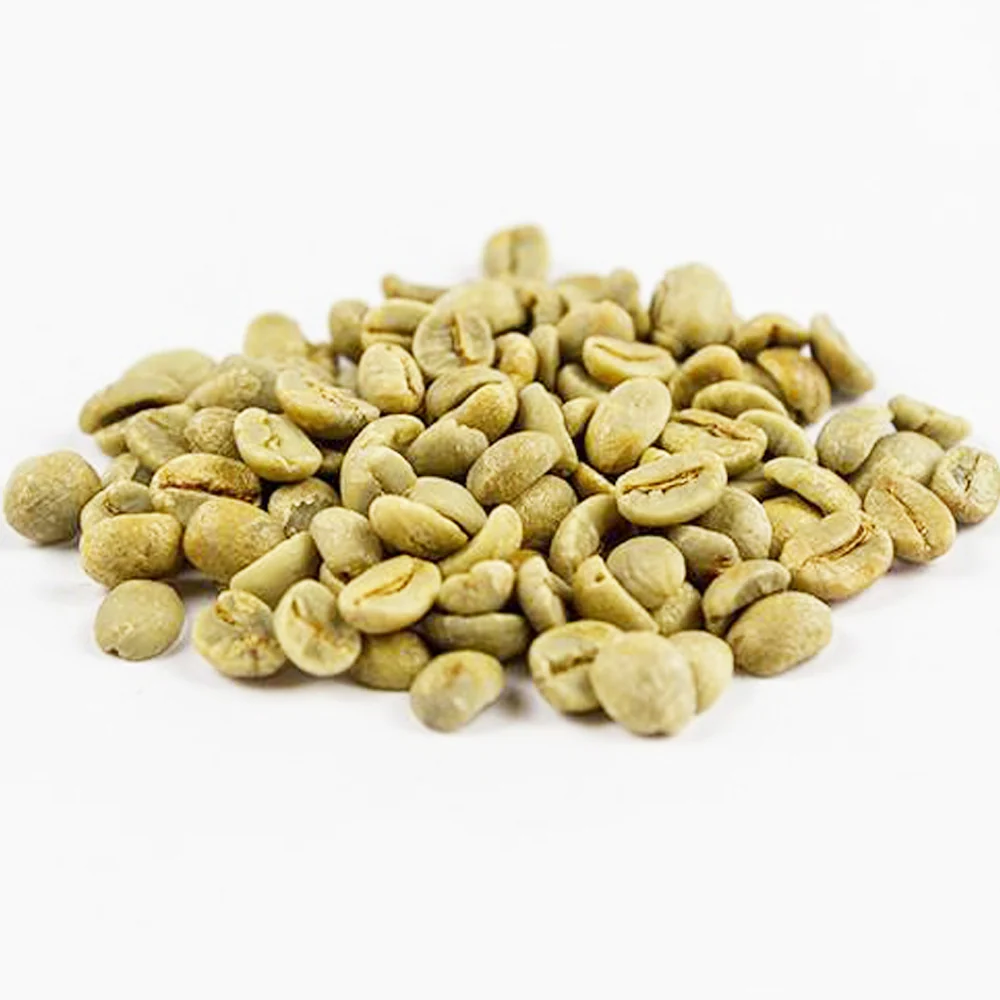
Ethiopian Green Coffee: Discover the Origin of Arabica
September 4, 2026
Cocoa Powder for Bakery Fillings & Creams
September 4, 2026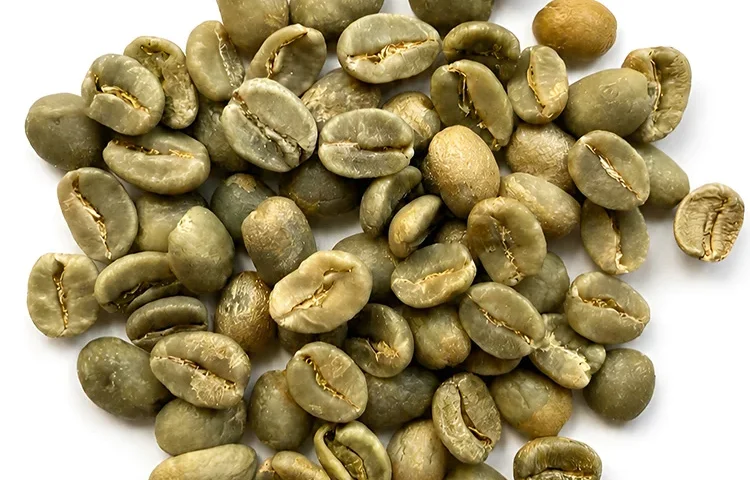
For professional roasters, buying Colombian green coffee is not simply about buying a famous origin. It is about finding the right Colombian coffee for a specific roast profile, cup target, production volume, and market position—and being able to source it consistently.
That distinction matters.
A roaster developing a premium single-origin coffee may be searching for a distinctive Huila or Nariño Arabica with clarity and regional character. A high-volume coffee manufacturer may prioritize Colombia Excelso for consistency, availability, and commercial scalability. Another roaster may require Colombia Supremo to build a premium retail line with recognizable Colombian positioning.
All three are buying Colombian coffee, but they are not buying the same product.
This is why Colombian Green Coffee Beans for Professional Roasters should be selected according to more than origin alone.
Grade, screen size, region, processing method, crop, physical quality, cup profile, consistency, required volume, and intended roasting application all matter when moving from a sample to commercial production.
LATAMARKO supplies green coffee beans for professional roasters and industrial coffee buyers, including Colombian Arabica options for businesses seeking commercial, premium, and origin-focused coffees for international markets.
For buyers, the objective is straightforward:
Do not buy Colombia because the name is famous. Buy the Colombian green coffee that fits your roasting strategy, your customer, and your business.
Colombian Green Coffee Beans for Professional Roasters
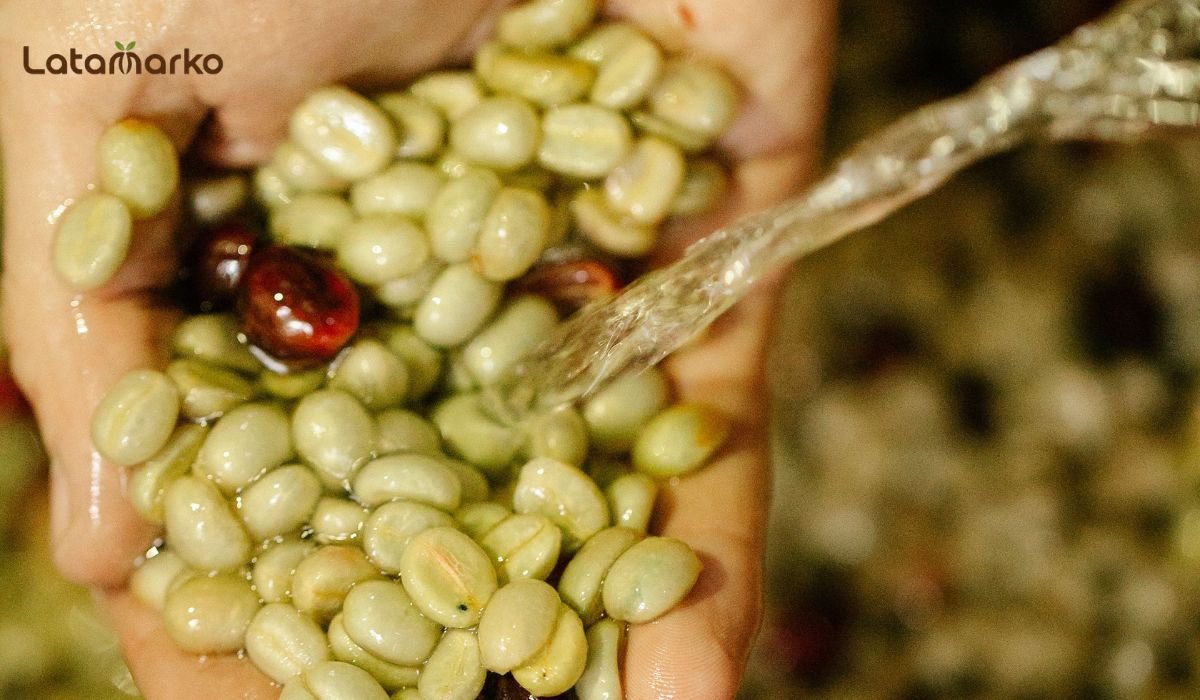
Why Colombian Green Coffee Matters to Professional Roasters
Colombia occupies a unique position in the international coffee industry.
Its name is recognized not only by coffee professionals but also by consumers around the world. For roasters, this creates an unusual combination of origin recognition and broad commercial usability.
Colombian green coffee can be considered for:
Single-Origin Coffee
Premium Retail Coffee
Espresso
Espresso Blends
Filter Coffee
Specialty Coffee
Commercial Roasting
Private Label Coffee
Foodservice Coffee
International Coffee Brands
This versatility is one of Colombia’s greatest commercial strengths.
Professional roasters can work with different Colombian regions and grades to build products at different positioning and price levels rather than treating Colombian coffee as one standardized offering.
What Makes Colombian Green Coffee Beans Different?
Colombia is strongly associated with Arabica coffee production, but “Colombian Arabica” is still a very broad description.
The final characteristics of a Colombian green coffee can be influenced by factors such as:
Growing Region
Altitude
Variety
Processing
Harvest Conditions
Bean Size
Defect Level
Physical Preparation
Cup Quality
Lot Selection
This is why two Colombian coffees can deliver noticeably different results even when both carry the same country of origin.
For professional roasters, the important question is not:
“Do you have Colombian coffee?”
A better sourcing question is:
“Which Colombian coffee fits the cup profile, roast application, quality level, and commercial volume we require?”
Colombian Arabica Green Coffee Beans
Colombia is globally known for Arabica coffee.
For professional roasting companies, Colombian Arabica green coffee beans can provide considerable flexibility across both single-origin and blend development.
Depending on the coffee selected, Colombian Arabica can contribute cup characteristics associated with:
Balanced Acidity
Sweetness
Caramel-Like Notes
Chocolate and Cocoa Notes
Fruit Character
Citrus Character
Clean Cup Profiles
Balanced Body
These characteristics are not guaranteed for every Colombian lot. Region, processing, variety, crop conditions, quality level, and roasting all influence the final cup.
This is precisely why sample evaluation and cupping should remain part of professional purchasing.
Green Coffee Beans: From Origin to Industry
Colombia Supremo Green Coffee Beans
Colombia Supremo is one of the most commercially recognized Colombian green coffee categories.
Supremo is commonly associated with larger bean preparation and is frequently requested by international roasters seeking a premium Colombian offering.
For roasters, Supremo can be considered for applications such as:
Premium Single-Origin Coffee
Retail Coffee
Espresso
Premium Espresso Blends
Filter Coffee
Private Label Coffee
Foodservice
The commercial attraction of Supremo extends beyond bean appearance.
For many buyers, the designation is already familiar and can support the positioning of a Colombian coffee within a professional product portfolio.
However, buyers should still evaluate the complete specification.
Supremo should not be treated as a guarantee of cup quality by name alone.
The actual lot remains what matters.
Colombia Excelso Green Coffee Beans
Colombia Excelso is another major Colombian green coffee preparation with strong relevance to commercial roasters.
For businesses operating at larger volumes, Excelso can offer an attractive balance between Colombian origin, quality requirements, availability, and commercial positioning, depending on the specific lot and specification.
It can be evaluated for:
Commercial Roasting
Espresso Blends
Retail Coffee
Foodservice
Private Label Production
Medium-to-Large Roasting Operations
Multi-Origin Blends
A professional roaster choosing between Supremo and Excelso should not make the decision purely according to which name appears more premium.
The correct comparison should include:
Cup Profile
Screen Preparation
Defect Specification
Consistency
Roasting Objective
Available Volume
Commercial Target
A well-selected Excelso may be a better commercial fit for one product than a Supremo—and vice versa.
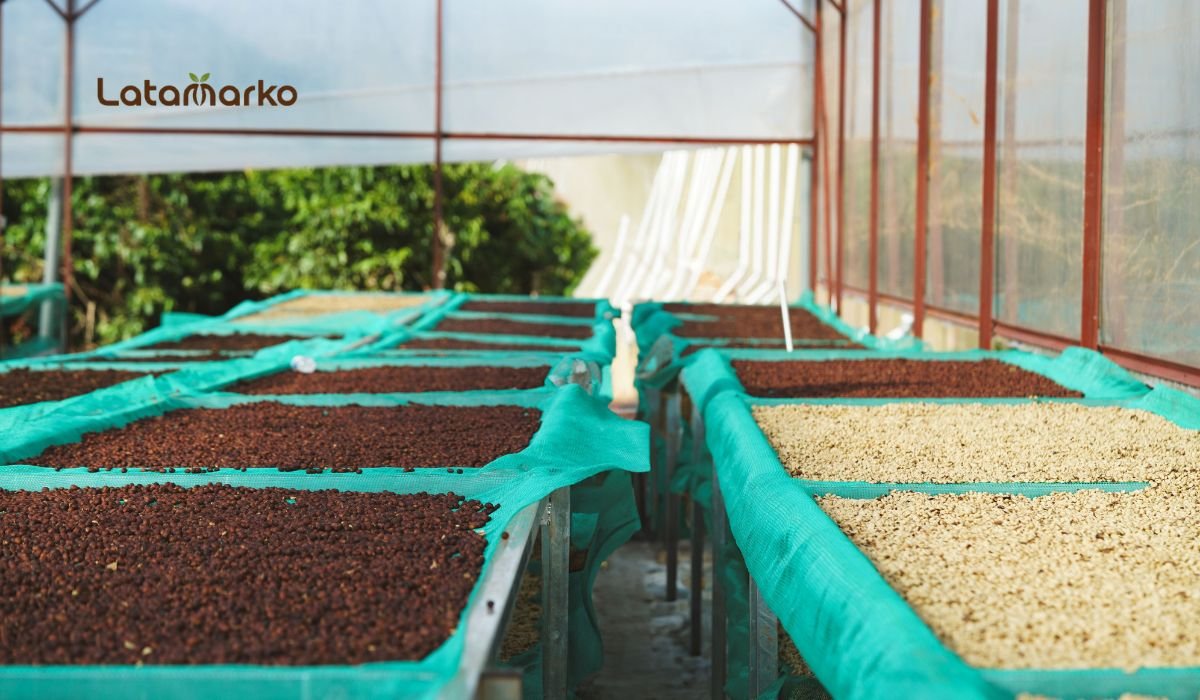
Colombian Green Coffee Beans for Professional Roasters
Colombia Supremo vs Excelso: Which Should a Roaster Choose?
This is an important purchasing decision.
If the objective is a premium Colombian SKU where larger bean preparation and market positioning are important, Supremo may be an appropriate direction to evaluate.
If the objective is a scalable Colombian component for commercial roasting, blends, foodservice, or private label, Excelso may deserve serious consideration.
But professional sourcing should go beyond the grade name.
Before choosing, compare:
| Selection Factor | What the Roaster Should Evaluate |
|---|---|
| Cup Profile | Does it match the target product? |
| Screen Preparation | Is the bean-size distribution suitable? |
| Defects | Does the lot meet the required specification? |
| Consistency | Can the desired profile be maintained? |
| Roasting Application | Single origin, espresso, blend, filter or commercial? |
| Volume | Can commercial requirements be supported? |
| Cost-in-Cup | Does the coffee make commercial sense in the finished product? |
The best Colombian coffee is not necessarily the most expensive grade.
It is the one that works commercially and technically for the intended coffee.
Huila Green Coffee Beans
For roasters interested in regional Colombian coffees, Huila is an important name.
Huila coffees are widely sought by roasters looking for Colombian coffees with expressive cup characteristics and strong origin identity.
Depending on the lot, variety, altitude, processing, and harvest, Huila coffees can present combinations of:
Sweetness
Fruit
Citrus
Caramel
Chocolate
Balanced Acidity
Clean Cup Character
For professional roasters, Huila can be particularly interesting for:
Single-Origin Programs
Premium Retail Coffee
Filter Coffee
Specialty-Oriented Products
Premium Espresso
A roaster selling origin-focused coffee can also benefit from the stronger regional story that comes from identifying Huila rather than simply labeling the coffee as Colombia.
Nariño Green Coffee Beans
Nariño is another Colombian origin that attracts professional roasters looking for differentiated regional coffees.
Its high-elevation coffee-growing areas can produce coffees with distinctive acidity, sweetness, and aromatic complexity, although the exact profile naturally depends on the specific lot.
Nariño can be evaluated for:
Premium Single-Origin Coffee
Specialty Roasting
Filter Coffee
Light-to-Medium Roast Programs
High-End Retail Products
For roasters whose customers actively seek traceable origins and differentiated cup profiles, regional coffees such as Nariño can provide greater product storytelling potential than generic origin positioning.
Antioquia Green Coffee Beans
Antioquia has deep historical importance within Colombian coffee production and remains commercially relevant to international coffee buyers.
Depending on the lot and preparation, Antioquia coffees can be considered for roasters looking for balanced Colombian profiles suitable for both standalone products and blends.
Potential applications include:
Retail Coffee
Espresso
Espresso Blends
Commercial Roasting
Foodservice
Private Label Coffee
For buyers purchasing larger recurring volumes, the important considerations remain cup consistency, physical specifications, availability, and compatibility with the intended roast profile.
Colombian Green Coffee for Espresso
Colombian coffee can be particularly valuable in espresso development because it can contribute multiple characteristics to a blend.
Depending on the selected coffee and roast profile, a Colombian Arabica may contribute:
Sweetness
Acidity
Chocolate Character
Caramel Notes
Body
Balance
This gives roasters flexibility.
A Colombian coffee can become the foundation of an espresso.
It can also serve as one component in a multi-origin blend.
The decision depends on what the roaster wants the final espresso to achieve.
Colombian Green Coffee for Espresso Blends
Professional espresso blending is about assigning a role to each origin.
For example, a roaster may design a blend where one coffee provides body, another contributes sweetness, and another introduces acidity or aromatic complexity.
Colombian Arabica can be particularly useful when the target is a balanced and approachable espresso profile.
Possible blend structures include:
Colombia + Brazil
Colombia + Ethiopia
Colombia + Central American Origins
Colombia + Robusta
Each combination serves a different commercial purpose.
A premium 100% Arabica espresso requires a different sourcing strategy from a high-volume commercial espresso designed around body, crema, consistency, and competitive production economics.
The Colombian component should therefore be selected according to its function within the blend.
Colombian Green Coffee for Filter Roasting
Colombian regional coffees can also perform strongly in filter-oriented product portfolios.
For filter applications, roasters may place greater emphasis on:
Clarity
Acidity
Sweetness
Aroma
Regional Character
Processing
Traceability
Huila and Nariño can be particularly interesting starting points when the roaster wants to explore more origin-driven Colombian profiles.
Again, the specific lot should determine the purchasing decision.
Country reputation should never replace cupping.
Colombian Green Coffee for Commercial Roasters
Not every roaster is searching for a rare microlot.
Large roasting companies may need:
Reliable Volume
Repeatable Quality
Consistent Cup Profile
Predictable Physical Preparation
Commercially Viable Sourcing
International Logistics
Recurring Supply
For these buyers, Colombian coffee can be attractive because it allows the sourcing strategy to extend from premium regional products to more commercially scalable grades.
The purchasing priority changes from finding the most unusual cup to finding the right balance between cup quality, consistency, volume, and commercial performance.
This distinction is crucial.
A coffee can be excellent for a small specialty release and completely unsuitable for a roaster that needs hundreds of tons across an annual program.
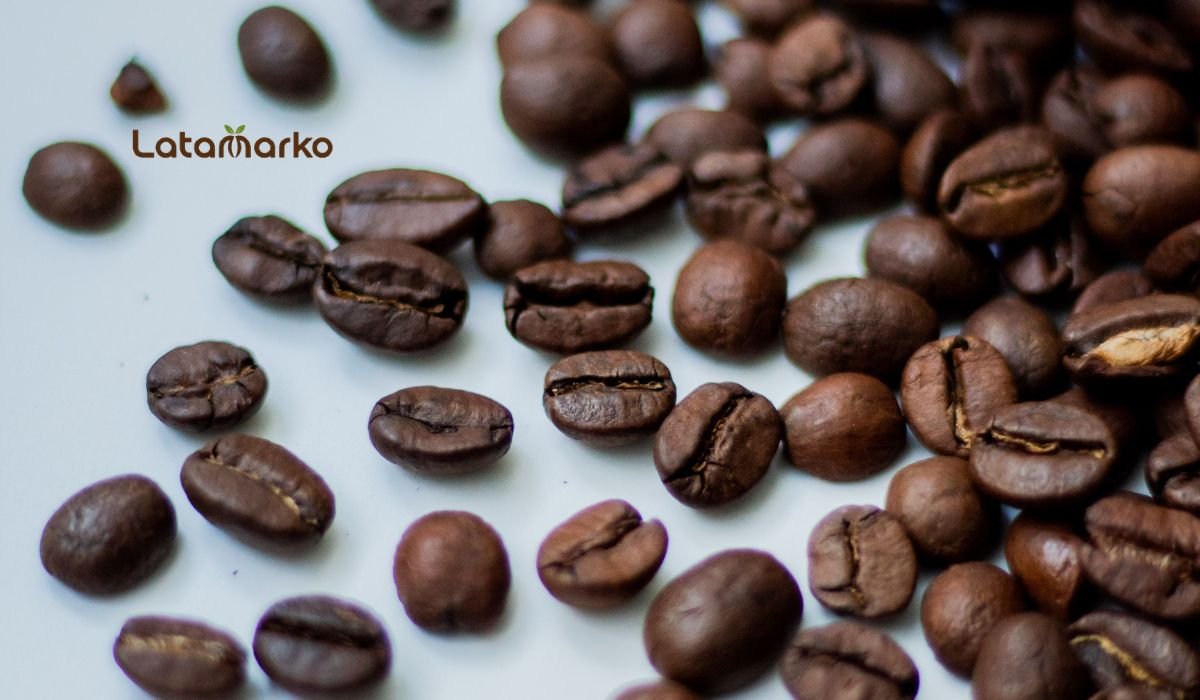
Colombian Green Coffee Beans for Professional Roasters
Colombian Green Coffee for Private Label Coffee
Private label manufacturers face another challenge: they may produce coffee for several customers with different market positions.
One customer may request:
100% Colombian Arabica
Another may require:
Premium Colombian Espresso
Another may want:
Colombian Coffee for a Commercial Blend
And another:
Single-Origin Huila
A flexible Colombian sourcing strategy allows private label roasters to develop several commercial products around the same origin while adjusting grade, region, cup target, and positioning.
This can make Colombia strategically valuable within a diversified green coffee portfolio.
Screen Size and Physical Quality
Professional roasters should review physical specifications before commercial approval.
Depending on the requested preparation, relevant parameters may include:
Screen Size
Bean Uniformity
Defect Count
Moisture
Density
Foreign Matter
Crop Information
Physical Appearance
Uniformity can be important for roast consistency.
However, larger beans should not automatically be interpreted as better-tasting coffee.
Screen size is one quality and preparation parameter among many.
A larger bean is not automatically a better cup.
Professional buyers should evaluate physical quality together with sensory performance.
Moisture and Green Coffee Condition
Moisture is another important purchasing parameter for green coffee.
The coffee needs to arrive in appropriate physical condition for storage and roasting.
Professional buyers should review the relevant specification and evaluate the condition of the coffee upon receipt.
Storage and transportation also matter.
Even well-prepared Colombian green coffee can lose quality if exposed to unsuitable humidity, excessive heat, strong odors, or poor warehouse conditions.
Green coffee quality management therefore continues after the coffee leaves origin.
Crop Year Matters
Professional roasters should also pay attention to crop information.
Freshness in green coffee is not identical to freshness in roasted coffee, but crop age and storage conditions can influence sensory performance.
For recurring purchasing programs, crop transitions should be monitored carefully.
A roaster that has established a specific flavor profile may need to evaluate new-crop samples before moving the entire production program to the next harvest.
This is especially important when maintaining a consistent branded blend.
Sample Roasting Before Commercial Purchase
For professional roasters, buying significant quantities without evaluating a representative sample creates unnecessary risk.
A structured approval process can include:
Green Coffee Inspection
→ Sample Roasting
→ Cupping
→ Espresso or Brewing Evaluation
→ Comparison with Current Coffee
→ Roast Profile Testing
→ Commercial Approval
The evaluation should reflect the intended application.
If the coffee is being purchased for espresso, do not rely exclusively on a standard cupping table.
Roast and test it as espresso.
If it is intended for a blend, test it inside the intended blend.
If it is intended for filter coffee, evaluate it using the brewing methods relevant to the product.
Consistency Is More Valuable Than One Exceptional Sample
For commercial roasting businesses, consistency can be more valuable than occasional brilliance.
Imagine a roaster develops a successful espresso around a specific Colombian coffee.
Customers become familiar with its:
Sweetness
Acidity
Body
Chocolate Character
Overall Balance
If the next commercial shipment produces a substantially different cup, the roaster may need to adjust roast profiles or blend percentages.
For this reason, professional sourcing should consider:
Lot Consistency
Crop Consistency
Specification
Availability
Volume
Supplier Communication
Replacement Strategy
Long-Term Supply
A green coffee supplier should understand that professional roasters are not simply buying bags of coffee.
They are protecting the consistency of products their customers already recognize.
Buying Colombian Green Coffee Wholesale
Professional buyers purchasing Colombian green coffee beans wholesale should define their requirements clearly before requesting an offer.
A useful inquiry can include:
Origin: Colombia
Region: If required
Grade: Supremo / Excelso / Other
Species: Arabica
Screen: Required preparation
Process: Required process
Crop: Required crop information
Quality: Commercial / Premium / Specialty target
Application: Espresso / Filter / Blend / Private Label
Packaging: Required bag configuration
Quantity: Bags / Pallets / FCL
Destination: Country and port
Incoterm: If predetermined
The more precise the purchasing request, the more relevant the commercial offer can be.
Bulk Colombian Green Coffee Beans
For larger roasting operations, Colombian green coffee can be purchased in commercial quantities according to the agreed specification and supply program.
Industrial buyers may require:
Multiple Bags
Pallet Quantities
Full Container Loads
Recurring Shipments
Contract Supply
For these businesses, procurement should consider more than the individual lot.
The buyer needs to evaluate:
Available Volume
Shipment Schedule
Quality Consistency
Packaging
Documentation
Logistics
Commercial Terms
Continuity of Supply
This becomes particularly important when Colombian coffee forms a permanent component of a high-volume blend.
Packaging for International Green Coffee Supply
Green coffee is traditionally shipped in coffee bags, with bag configuration depending on origin, exporter, specification, and buyer requirements.
Protective inner packaging such as GrainPro or other hermetic solutions can also be used where specified.
Professional buyers should confirm packaging requirements before ordering, particularly for coffees traveling long international routes or being stored for extended periods.
Packaging is not merely cosmetic.
Its purpose is to help protect the physical and sensory quality of the green coffee throughout the supply chain.
From Colombia to the Roastery
For an international buyer, sourcing does not end when coffee is selected.
The commercial journey can involve:
Lot Selection
→ Sample Approval
→ Commercial Confirmation
→ Preparation at Origin
→ Export Documentation
→ Container Loading
→ International Shipping
→ Import Procedures
→ Warehouse
→ Roastery
Every stage matters.
A strong green coffee sourcing program therefore combines coffee knowledge with international supply-chain capability.
For roasters operating outside producing countries, this is especially important.
Colombian Coffee Price: Compare the Coffee, Not Only the Number
There is no single commercial value that represents every Colombian green coffee.
Differences can result from factors such as:
Grade
Region
Quality
Screen Preparation
Cup Profile
Crop
Processing
Lot Size
Market Conditions
Freight
Commercial Terms
A Huila lot selected for a premium single-origin program should not necessarily be compared directly with an Excelso intended for large-scale blending.
They solve different commercial problems.
Professional buyers should compare equivalent specifications and intended applications before deciding which offer provides better value.
Specialty vs Commercial Colombian Green Coffee
Colombia can serve both sides of the roasting industry.
Specialty-Oriented Colombian Coffee
Suitable for buyers prioritizing:
Distinctive Cup Profile
Regional Identity
Traceability
Smaller Selected Lots
Premium Positioning
Premium Commercial Colombian Coffee
Suitable for roasters looking for:
Good Cup Quality
Professional Preparation
Consistency
Scalable Volumes
Competitive Commercial Positioning
Commercial Colombian Coffee
Suitable for applications where:
Volume
Consistency
Blend Performance
Availability
Production Economics
are major purchasing priorities.
None of these segments is universally “better.”
They serve different businesses.
How Professional Roasters Should Select Colombian Green Coffee
Before purchasing, define five things clearly:
1. What Are You Roasting?
Espresso, filter, blend, retail, foodservice, or private label?
2. What Cup Profile Do You Need?
Chocolate-driven? Balanced? Fruity? Bright? Sweet? Full-bodied?
3. What Quality Segment Are You Targeting?
Commercial, premium commercial, or specialty?
4. What Volume Do You Need?
A few bags and a recurring full-container program require different sourcing strategies.
5. Can the Coffee Be Supplied Consistently?
This becomes critical when the coffee is part of a permanent SKU or blend.
Once these questions are answered, selecting Colombian coffee becomes much more precise.
LATAMARKO Colombian Green Coffee Beans
LATAMARKO supplies green coffee beans for professional roasters, coffee manufacturers, distributors, importers, and industrial buyers serving international markets.
Within Colombian coffee, buyers can evaluate options such as:
Colombia Supremo
Colombia Excelso
Huila
Nariño
Antioquia
Colombian Arabica
depending on availability, specification, required quality, and commercial program.
But LATAMARKO’s approach to Colombian green coffee is not based simply on presenting a long list of origins.
The objective is to understand what the buyer intends to produce.
A specialty roaster looking for an expressive Colombian single origin has different requirements from an industrial roaster sourcing a recurring Colombian component for an espresso blend.
A private label manufacturer may need another profile entirely.
This is why the conversation should begin with the roaster’s product.
Colombian Green Coffee Beans for Professional Roasters
Request Colombian Green Coffee Beans for Your Roastery
If you are sourcing Colombian Green Coffee Beans for Professional Roasters, provide as much information as possible about your required coffee.
Tell LATAMARKO:
Which Colombian grade or region are you interested in?
Do you require Supremo, Excelso, Huila, Nariño, Antioquia, or another Colombian profile?
What is the coffee intended for—espresso, filter, single origin, or blending?
What screen preparation do you require?
What cup profile are you targeting?
What is your required quantity?
Do you require bags, pallet quantities, or full-container supply?
What is the destination country or port?
Would you like to evaluate a sample before commercial purchasing?
If you already use Colombian coffee, your existing specification or target profile can also provide a useful benchmark.
The goal is not simply to deliver Colombian green coffee. The goal is to identify the Colombian coffee that makes commercial sense for your roastery.
For professional roasters, Colombia offers something particularly valuable: the ability to move between recognizable origin, regional differentiation, premium positioning, blend versatility, and scalable commercial supply.
That is why Colombian green coffee continues to be relevant to roasters across different markets and business models.
Whether you are developing a 100% Colombian retail coffee, a premium Huila single origin, an espresso blend, a private label program, or a large-volume commercial roasting line, the purchasing decision should always come back to the same principle:
Choose the coffee for the cup you want to sell—and the volume you need to sell it consistently.