Honduras Green Coffee: High-Grown Arabica for Roasters
September 1, 2026
Indonesian Green Coffee for Distinctive Coffee Blends
September 1, 2026
For professional roasters looking for brightness, structure, fruit intensity, and a clear premium identity, Kenya remains one of the most distinctive Arabica origins in the global coffee market.
Kenyan green coffee is rarely selected because it is neutral.
It is selected because it can be expressive.
A well-chosen Kenyan Arabica can add vivid acidity, berry-like fruit character, sweetness, citrus, floral complexity, and a long structured finish to the cup. For specialty roasters, these qualities can make Kenya a powerful single-origin category. For premium commercial roasters, Kenyan coffee can also become a strategic component in high-value blends where aroma, acidity, and differentiation matter.
But professional buyers should not approach Kenya with one generic specification.
A roaster buying Kenya AA may have different expectations from one evaluating Kenya AB. A selected lot built around SL28 or SL34 may be intended for a premium filter program, while another Kenyan coffee may be selected as an aromatic component in a 100% Arabica blend.
That is why the real sourcing question is not:
“Do you supply Kenyan coffee?”
It is:
“Which Kenyan Arabica can deliver the quality, cup structure, and commercial positioning our roastery requires?”
LATAMARKO supplies Kenya green coffee beans for professional roasters, coffee manufacturers, importers, distributors, private-label producers, and international green coffee buyers.
The objective is not simply to offer Kenya as a famous origin.
The objective is to match the right Kenyan coffee with the buyer’s roast style, cup target, quality level, volume requirement, and market strategy.
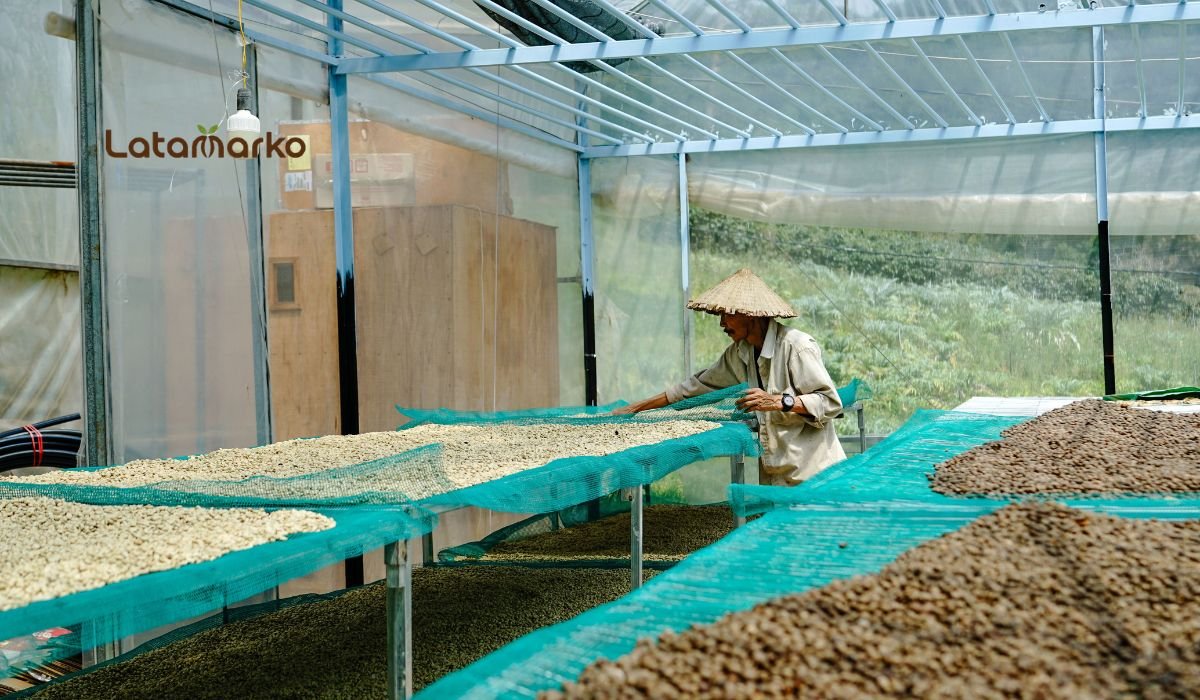
Kenya Green Coffee: Premium Arabica for Roasters
Green Coffee Beans: From Origin to Industry
Why Kenya Is Considered a Premium Arabica Origin
Kenya holds a strong position in the premium and specialty coffee industry because its coffees can display highly recognizable sensory characteristics.
Depending on region, variety, processing, elevation, harvest, and lot selection, Kenyan coffees may show:
Blackcurrant-Like Notes
Red Berries
Citrus
Stone Fruit
Floral Character
Sweetness
Bright Acidity
Juicy Mouthfeel
Structured Finish
This type of profile makes Kenya especially valuable for roasters who want a coffee that stands out immediately.
Potential applications include:
Single-Origin Filter Coffee
Premium Espresso
Specialty Retail
High-End Private Label
100% Arabica Blends
Origin-Focused Coffee Programs
Competition-Oriented Roasting
Kenya can provide both sensory impact and premium positioning.
Kenyan Arabica Green Coffee Beans
Kenya is strongly associated with Arabica production.
For professional buyers, this means Kenyan green coffee is usually evaluated within a premium Arabica context rather than as a generic commodity.
However, not all Kenyan Arabica is identical.
The final cup can be influenced by:
Growing Region
Altitude
Variety
Screen Size
Processing
Harvest
Soil
Lot Selection
Post-Harvest Handling
A buyer should therefore go beyond the country name and define the required specification precisely.
What Makes Kenyan Coffee So Recognizable?
One of the most distinctive characteristics of Kenyan coffee is its acidity structure.
Where some origins provide soft or muted acidity, selected Kenyan coffees can deliver a much more vivid and structured sensation.
Professional cuppers may describe Kenyan acidity as:
Bright
Juicy
Citrus-Driven
Berry-Like
Wine-Like
Complex
When balanced with sweetness and sufficient body, this acidity can create an elegant and highly memorable cup.
That balance is important.
High acidity alone does not define high quality.
The best coffees integrate acidity with:
Sweetness
Body
Flavor
Cleanliness
Aftertaste
Overall Balance
Kenya AA Green Coffee Beans
Kenya AA is one of the best-known commercial grade names associated with Kenyan coffee.
AA generally refers to a larger bean-size preparation and is widely recognized in international green coffee trade.
For professional roasters, Kenya AA may be considered for:
Premium Single-Origin Coffee
Filter Roasting
Specialty Retail
Premium Espresso
High-End Private Label
Origin-Focused Coffee Programs
Depending on the lot, potential cup characteristics may include:
Blackcurrant
Berry
Citrus
Floral Notes
Sweetness
Bright Acidity
Complex Finish
However, buyers should not assume that every AA coffee automatically represents superior cup quality.
AA is a physical grade.
The cup must still be evaluated.
Kenya AB Green Coffee Beans
Kenya AB is another widely encountered grade.
AB coffees may include smaller bean sizes than AA but can still offer excellent sensory quality.
For professional roasters, Kenya AB may be suitable for:
Single-Origin Programs
Espresso
Filter Coffee
Premium Blends
Private Label
Commercial Premium Roasting
The important principle is:
AA should not automatically be treated as “good” and AB as “lower quality.”
Screen size and cup quality are different variables.
A strong Kenya AB lot can outperform a weaker AA lot in the cup.
Professional buying should always combine physical specification with sensory evaluation.
Kenya AA vs Kenya AB
For a roaster comparing Kenya AA and AB, several questions matter.
How different are the cup profiles?
Does the screen difference affect roast behavior?
Is the sensory improvement commercially meaningful?
Which grade fits the target product?
Which offers better consistency at the required volume?
A premium retail brand may prefer AA for both sensory and positioning reasons.
Another roaster may find that a selected AB delivers the required cup more efficiently.
The correct choice depends on the application.
SL28: One of Kenya’s Most Important Coffee Varieties
SL28 is one of the most recognized varieties associated with Kenyan coffee.
For specialty roasters, it has particular significance because selected SL28 coffees can display highly expressive sensory characteristics.
Depending on growing conditions and processing, these may include:
Berry Fruit
Citrus
Sweetness
Floral Complexity
Juicy Acidity
Long Finish
SL28 is especially relevant to buyers focused on:
Specialty Coffee
Single-Origin Retail
Premium Filter Coffee
Origin Transparency
High-End Roasting Programs
However, variety alone does not guarantee quality.
The entire production and processing chain remains important.
SL34 and Kenyan Coffee Quality
SL34 is another important variety associated with Kenyan coffee production.
Like SL28, it can contribute to the distinctive sensory identity found in premium Kenyan lots.
Professional buyers may encounter lots containing:
SL28
SL34
or combinations of several local varieties.
The cup should remain the primary purchasing criterion.
For premium buyers, variety information can strengthen traceability and product storytelling, but it should support sensory quality rather than replace it.
Kenyan Coffee and Variety Diversity
Although SL28 and SL34 receive considerable attention, Kenyan coffee should not be reduced to only two varieties.
Professional buyers may encounter several cultivated varieties and local selections.
This makes exact lot information useful when purchasing higher-end coffee.
Relevant questions can include:
Which varieties are present?
What is the growing elevation?
What processing method was used?
Is the coffee traceable to a cooperative, washing station, estate, or region?
What is the cup profile?
The more premium the product, the more valuable this information becomes.
Washed Kenyan Green Coffee
Kenya is strongly associated with washed coffee production.
Washed processing can help emphasize:
Cup Clarity
Acidity
Fruit Definition
Floral Aromatics
Clean Finish
Structured Sweetness
These characteristics make washed Kenyan coffee especially attractive for filter-oriented specialty roasting.
A carefully selected washed Kenya can deliver an unusually clear expression of origin.
Why Processing Matters
Processing has a major influence on final cup quality.
Professional buyers should evaluate not only whether the coffee is washed but also:
Fermentation Quality
Drying
Cleanliness
Lot Uniformity
Storage
Poor post-harvest management can reduce the quality of excellent cherry.
This is why cup evaluation remains essential.
Kenya Green Coffee for Filter Roasters
Kenya is one of the strongest origins for filter coffee programs.
For roasters working with pour-over, batch brew, or other filter formats, Kenyan coffee can offer:
High Aromatic Intensity
Juicy Acidity
Fruit Complexity
Clean Cup Structure
Long Finish
Origin Differentiation
These characteristics can create a product that stands apart clearly from lower-acidity, chocolate-driven origins.
Potential product concepts include:
Kenya AA Filter Roast
Kenya SL28 Single Origin
Kenya Washed Arabica
Premium Kenya Retail Coffee
For specialty cafés, Kenyan coffee can also become an important seasonal or rotating menu origin.
Kenya for Pour-Over Coffee
Pour-over brewing can highlight some of the characteristics that make Kenyan coffee distinctive.
A well-developed light or medium-light roast may reveal:
Berry-Like Fruit
Citrus
Floral Notes
Sweetness
Structured Acidity
Tea-Like Clarity
The exact roast should be adapted to the coffee.
Professional roasters should avoid forcing every Kenyan lot into the same roast curve.
Kenya Green Coffee for Espresso
Kenyan coffee is often associated with filter, but it can also produce excellent espresso.
For espresso, buyers may prioritize a balance between:
Acidity
Sweetness
Body
Fruit
Finish
A carefully developed Kenyan espresso can be highly distinctive.
Potential applications include:
Single-Origin Espresso
Modern Specialty Espresso
Premium Arabica Blends
High-End Café Programs
The roast profile may require enough development to maintain sweetness while controlling excessive sharpness.
Kenya in Modern Espresso Blends
Kenyan coffee can be used as a high-impact component in premium espresso blends.
It may contribute:
Brightness
Berry Character
Aromatic Complexity
Acidity Structure
Long Finish
This can be especially useful when the base coffee provides sweetness and body but lacks aromatic distinction.
For example:
Brazil + Kenya
can create an interesting contrast.
Brazil may contribute:
Chocolate
Sweetness
Body
while Kenya may add:
Acidity
Fruit
Brightness
This can produce a more dynamic espresso.
Colombia + Kenya Blends
Another possible direction is:
Colombia + Kenya
Colombia may provide:
Balance
Caramel-Like Sweetness
Structured Body
while Kenya may contribute:
Berry Character
Citrus
Bright Acidity
Aromatic Lift
This can suit premium 100% Arabica blends where the roaster wants both balance and sensory distinction.
Ethiopia + Kenya Blends
Combining two East African origins can create a highly aromatic coffee.
Ethiopia may contribute:
Floral Notes
Tea-Like Character
Fruit
while Kenya may contribute:
Juicy Acidity
Berry Character
Structure
Long Finish
The result can be complex and expressive.
However, such blends require careful formulation.
If both coffees are extremely bright, the final product may become unbalanced.
Brazil + Colombia + Kenya
For a more commercially balanced premium blend, a roaster may consider:
Brazil
Colombia
Kenya
Brazil can provide:
Sweetness and Body
Colombia:
Balance and Caramel Character
Kenya:
Brightness and Fruit
This creates a three-origin architecture where each coffee serves a specific function.
Kenya as a Small but Powerful Blend Component
One important commercial characteristic of Kenyan coffee is that it does not always need to dominate the blend.
A relatively limited percentage of a highly expressive Kenyan coffee may significantly influence:
Aroma
Acidity
Fruit Character
Finish
This makes blend trials essential.
Professional roasters can test multiple inclusion rates to determine how much impact is required.
Kenya Green Coffee for Single-Origin Products
Kenya is particularly well suited to single-origin positioning.
A roaster can build products around:
Kenya AA
Kenya AB
SL28
SL34
Washed Kenya Arabica
Specific Regions or Producers
The product can then be differentiated according to:
Origin
Variety
Processing
Cup Profile
Harvest
Traceability
This makes Kenya especially useful for premium retail brands.
Kenya for Specialty Coffee Roasters
Specialty roasters often prioritize:
Traceability
Cup Score
Variety
Processing
Growing Area
Elevation
Harvest
Sensory Complexity
Kenya can fit this purchasing model particularly well.
Selected lots may be purchased for limited seasonal releases, competition-oriented roasting, or highly differentiated filter menus.
At this level, lot-specific evaluation is essential.
Kenya for Premium Commercial Roasters
Not every buyer needs a micro-lot.
Some larger roasters want Kenyan coffee that delivers recognizable quality and origin character at more scalable volumes.
Their priorities may include:
Reliable Cup Quality
Consistent Physical Preparation
Commercial Volume
Repeatability
Premium Positioning
Supply Continuity
This can create opportunities for Kenya beyond the very small specialty segment.
Kenya Green Coffee for Private Label Programs
Private-label producers can use Kenya to create premium concepts such as:
Kenya Single Origin
Kenya AA Premium Coffee
African Arabica Blend
Premium Filter Coffee
Specialty Espresso
High-End 100% Arabica
These products can help private-label customers differentiate themselves from standard commercial coffee ranges.
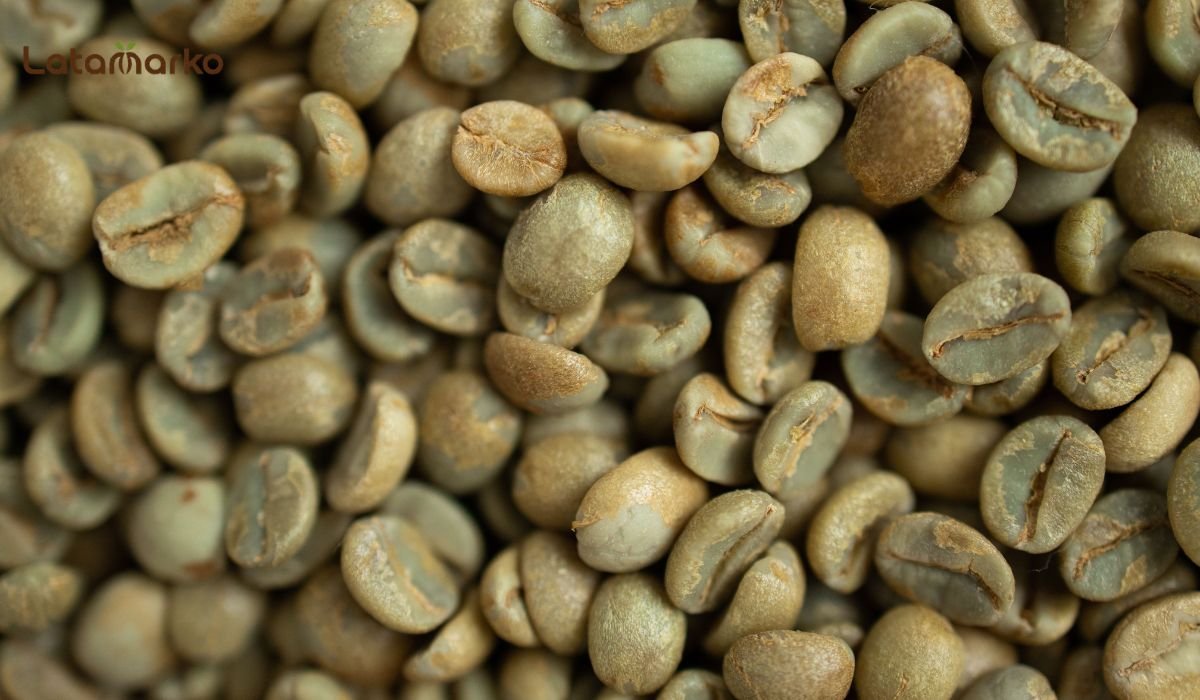
Kenya Green Coffee: Premium Arabica for Roasters
Kenya Green Coffee for Premium Retail Brands
Kenyan origin can support strong retail positioning.
A product labeled only:
100% Arabica
communicates very little.
A more specific product such as:
Kenya AA Washed Arabica
or
Kenya SL28 Single Origin
creates a much stronger premium identity.
For coffee brands, origin detail can support:
Differentiation
Storytelling
Consumer Education
Premium Positioning
But the sensory quality must justify the story.
Kenya Coffee Grades and Screen Size
Kenyan coffee grading often places significant emphasis on bean size.
Buyers may encounter grade names such as:
AA
AB
and other classifications.
These should be interpreted according to the exact commercial specification.
Screen size can influence physical uniformity, but it does not independently define cup quality.
Professional buyers should review grade alongside:
Defects
Moisture
Density
Cup Profile
Processing
Crop
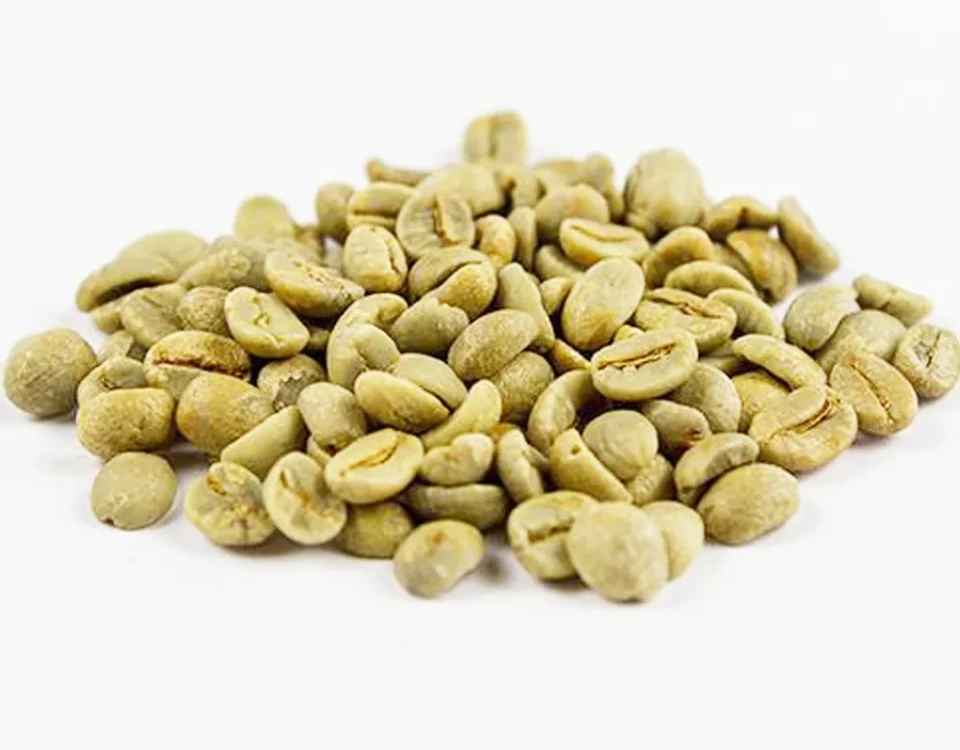
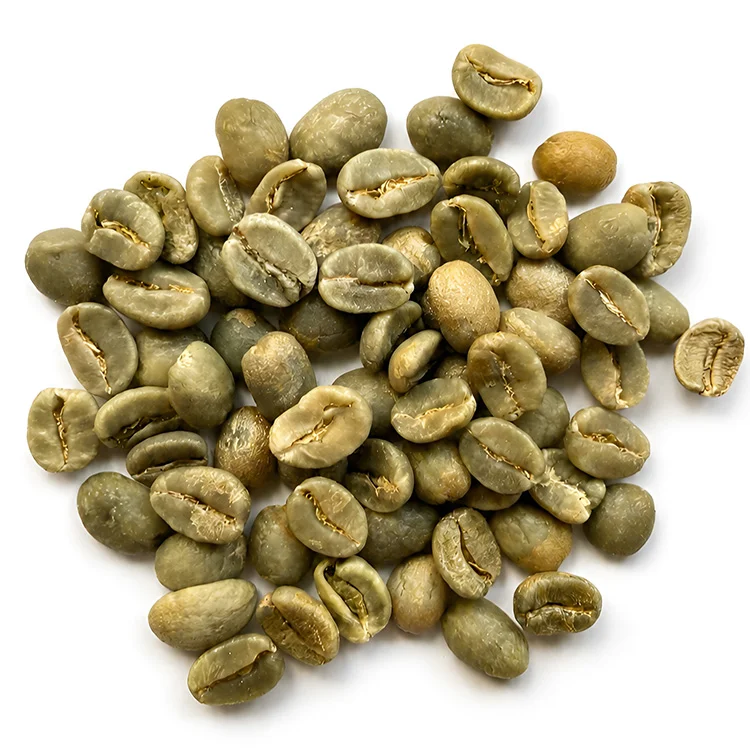
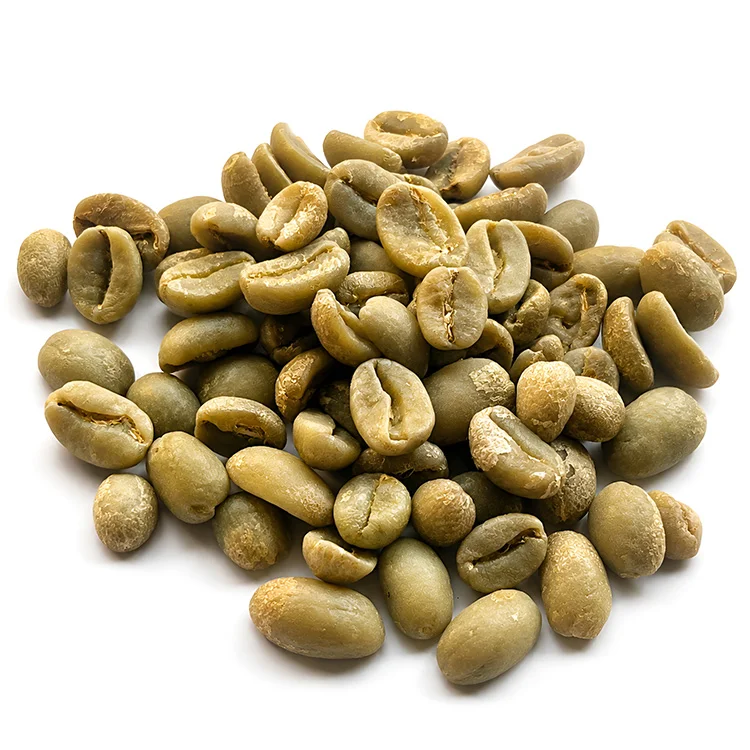
Physical Quality of Kenyan Green Coffee
Professional buyers should inspect:
Bean Uniformity
Color
Moisture
Defects
Foreign Matter
Odor
Overall Condition
Physical evaluation is especially important for premium coffees because inconsistency may influence roast performance.
However, visual quality must always be supported by cupping.
Density and Roast Development
Many high-elevation Arabica coffees can have relatively dense bean structures.
For the roaster, density can influence heat absorption and roast development.
Professional roast profiling should therefore consider:
Bean Density
Moisture
Screen Size
Batch Size
Roasting Equipment
Target Development
A Kenyan coffee should not simply be roasted using the profile developed for Brazil or another structurally different origin.
Moisture and Storage
Premium green coffee requires careful storage.
Professional buyers should control:
Humidity
Temperature
Odor Exposure
Bag Condition
Storage Duration
Warehouse Cleanliness
Container Conditions
Poor storage can reduce:
Aroma
Cup Clarity
Fruit Character
Freshness
For premium Kenyan Arabica, preserving quality after origin is particularly important.
Protective Packaging for Premium Kenya Coffee
Where required and agreed, higher-value Kenyan coffee may benefit from protective inner packaging such as GrainPro or other hermetic solutions.
This can support quality preservation during:
International Freight
Long Storage
Changes in Humidity
Long-Distance Distribution
Packaging should be confirmed according to the commercial program.
Crop Information Matters
Professional buyers running recurring programs should monitor crop transitions.
Differences between crops can influence:
Acidity
Fruit Character
Moisture
Density
Roasting
Overall Cup Balance
A new crop should therefore be evaluated before replacing an approved lot in production.
Sample Roasting Before Buying Kenyan Coffee
For premium Kenyan Arabica, sample approval is essential.
A professional sequence can include:
Review Specification
→ Inspect Green Coffee
→ Sample Roast
→ Cup
→ Test as Filter or Espresso
→ Evaluate in Blend if Required
→ Compare with Target Product
→ Approve Commercial Purchase
The sampling process should reflect the final application.
Cupping Kenya Green Coffee
When evaluating Kenyan coffee, professional buyers may focus on:
Fragrance
Aroma
Acidity
Sweetness
Body
Flavor
Aftertaste
Balance
Cleanliness
Uniformity
The most attractive lot is not necessarily the one with the highest acidity.
A premium cup needs integration.
Fruit, acidity, sweetness, and structure should work together.
Acidity Should Be Structured, Not Aggressive
Kenyan coffee is famous for acidity, but professional roasters should distinguish between:
Complex, sweet, integrated acidity
and
Sharp, unpleasant sourness
These are not the same.
The quality of acidity depends on:
Green Coffee
Roast Development
Extraction
Brewing
A strong Kenya should feel vivid and structured rather than simply sour.
Consistency Across Commercial Lots
For larger roasters, the challenge is not only finding one excellent Kenya.
It is determining whether the required quality can be supplied consistently.
Buyers should review:
Lot Continuity
Cup Profile
Grade
Physical Preparation
Available Volume
Crop Transition
Supply Schedule
If Kenya becomes a permanent part of a premium blend, these factors become especially important.
Buying Kenya Green Coffee Wholesale
When requesting Kenya green coffee wholesale, professional buyers should provide a clear specification.
Useful information includes:
Origin: Kenya
Grade: AA / AB / Other
Variety: If required
Processing: Washed / Other
Cup Profile: Required sensory direction
Quality Segment: Premium / Specialty / Commercial
Application: Filter / Espresso / Single Origin / Blend
Quantity: Bags / Pallets / FCL
Packaging: Required configuration
Destination: Country and port
Detailed requests allow suppliers to identify more suitable coffees.
Bulk Kenya Green Coffee Supply
Larger roasting companies may require:
Pallet Quantities
Full Container Loads
Recurring Shipments
Annual Programs
At this scale, buyers must evaluate:
Cup Quality
Volume Availability
Consistency
Documentation
Packaging
Lead Time
Shipment Planning
Commercial Continuity
Not every premium lot can support a high-volume program.
The sourcing strategy should match the production scale.
Kenya Green Coffee Price: Quality Must Be Defined First
There is no single meaningful price for all Kenyan green coffee.
Commercial differences can reflect:
AA or AB
Cup Quality
Variety
Processing
Lot Size
Traceability
Crop
Volume
Packaging
Freight
Commercial Terms
A highly selected SL28 lot for specialty retail should not be compared directly with a larger-volume commercial Kenya AB.
The products serve different markets.
Premium Coffee Requires Value-Based Buying
Professional roasters should evaluate Kenyan coffee according to the value it can create in the finished product.
A premium Kenyan coffee may support:
Higher Retail Positioning
Single-Origin Differentiation
Specialty Café Menus
Premium Blend Development
Stronger Brand Identity
This means the purchasing decision should not stop at price per kilogram.
The more important question is:
What does this coffee allow us to create that a more conventional origin cannot?
That is where premium coffee creates commercial value.
Specialty Kenya vs Premium Commercial Kenya
Kenya can serve several quality levels.
Specialty Kenya
Suitable where priorities include:
Exceptional Cup Quality
Traceability
Variety
Distinctive Acidity
Premium Single-Origin Positioning
Premium Commercial Kenya
Suitable for buyers looking for:
Recognizable Kenyan Character
Strong Cup Quality
More Scalable Supply
Consistent Grade
Premium Blend Performance
Commercial Kenya
Can be relevant where the buyer prioritizes:
Volume
Blend Function
Broader Commercial Use
The right level depends on the finished product.
How Professional Roasters Should Choose Kenya Green Coffee
Before buying, define the following.
1. AA, AB, or Another Grade?
Do not select only by name. Evaluate the cup.
2. Is Variety Important?
SL28, SL34, or another variety may matter for premium programs.
3. What Is the Final Application?
Filter, espresso, single origin, blend, private label, or retail?
4. What Sensory Direction Do You Need?
Berry, citrus, floral, juicy, bright, or more balanced?
5. What Quality Segment Are You Targeting?
Premium commercial or specialty?
6. What Volume Is Required?
A limited seasonal release and recurring commercial supply require different sourcing strategies.
7. Can the Coffee Be Repeated?
If Kenya forms part of a permanent product, continuity matters.
LATAMARKO Kenya Green Coffee Supply
LATAMARKO supplies Kenya green coffee beans for professional roasters, coffee manufacturers, importers, distributors, private-label producers, and international coffee buyers.
Depending on availability and required specification, Kenyan coffee options can include:
Kenya Arabica
Kenya AA
Kenya AB
SL28-Oriented Lots
SL34-Oriented Lots
Washed Kenya Arabica
Premium and Specialty-Oriented Preparations
The objective is not simply to offer “Kenya coffee.”
A specialty filter roaster looking for expressive SL28 has a completely different requirement from a premium commercial roaster using Kenya as a small but powerful component in a 100% Arabica blend.
LATAMARKO evaluates each sourcing request according to:
Grade
Cup Profile
Variety
Application
Quality Level
Required Volume
Packaging
Destination
Supply Program
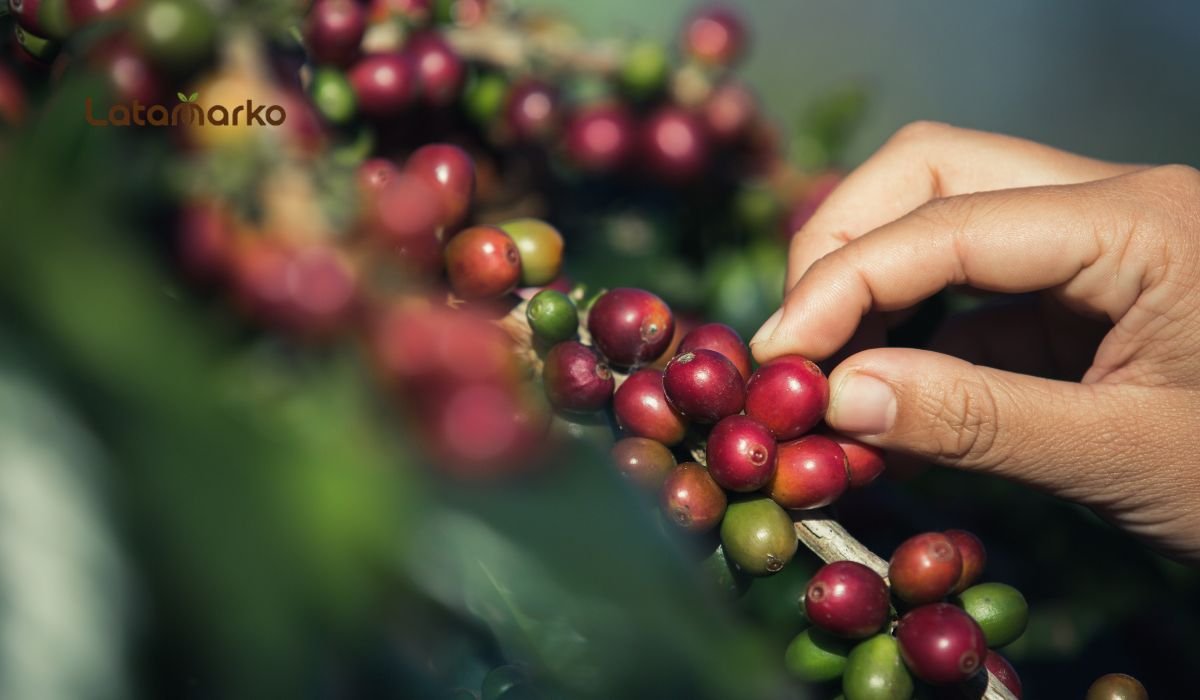
Kenya Green Coffee: Premium Arabica for Roasters
Request Kenya Green Coffee for Your Roastery
If you are sourcing Kenya Green Coffee: Premium Arabica for Roasters, provide a clear purchasing specification.
Tell LATAMARKO:
Do you require Kenya AA, AB, or another grade?
Is SL28 or SL34 important to your program?
What cup profile are you targeting?
Berry, citrus, floral, juicy acidity, sweetness, or another direction?
Will the coffee be used for filter, espresso, single origin, or blending?
What quality segment do you require?
What is your monthly or annual volume?
Do you purchase bags, pallets, or full-container quantities?
What packaging is required?
What is the destination country or port?
Would you like to evaluate a representative sample before commercial approval?
If you already use Kenyan coffee, your current specification or target cup can also be used as a benchmark.
Kenya’s value is not simply that it produces premium Arabica. Its real commercial strength is its ability to give a coffee product unmistakable energy, structure, and identity.
For one roaster, that may mean a vivid Kenya AA for filter.
For another, it may mean a selected SL28 released as a premium single origin.
For another, Kenya may represent only a small percentage of a blend—but the percentage that gives the entire coffee its brightness and character.
That is the strategic value behind Kenya Green Coffee: Premium Arabica for Roasters:
using one of the world’s most expressive Arabica origins to create coffees that are not only premium on paper, but clearly recognizable in the cup.