Cocoa Powder for Ice Cream Production
September 6, 2026
Cocoa Powder Manufacturer in Spain
September 11, 2026
In beverage and dairy manufacturing, cocoa powder has a more complex job than simply making a product taste like chocolate. The moment cocoa enters a milk drink, dairy dessert, powdered beverage, ice cream mix, or other liquid system, manufacturers must think about much more than flavor.
How will the cocoa look in the finished beverage?
Will the chocolate character remain noticeable after milk, sugar, and other ingredients are added?
Will the color remain attractive throughout production?
Does the cocoa profile match a children’s chocolate milk, a premium dairy drink, or an intense dark cocoa beverage?
These questions make the selection of cocoa powder for beverage & dairy industry fundamentally different from choosing cocoa for many dry applications.
For LATAMARKO, this is why cocoa selection for beverages and dairy products is approached from the finished product backward. Alongside Natural, Alkalized Brown, Light Alkalized, Dark Brown LM60, and Black Cocoa Powder, the LATAMARKO portfolio includes a Cocoa Powder for Dairy Applications, giving manufacturers the opportunity to evaluate cocoa according to the specific demands of milk and beverage formulations.
The goal is not simply more cocoa flavor.
The goal is to create the right chocolate experience inside the finished beverage or dairy product.
Cocoa Powder for Beverage & Dairy Industry
Cocoa Behaves Differently in a Dairy System
Looking at cocoa powder in its bag tells only part of the story.
Once incorporated into a dairy or beverage formulation, it enters a system containing ingredients that may include:
Milk Proteins • Milk Fat • Sugar • Water • Stabilizers • Emulsifiers • Sweeteners • Flavors
Processing may also involve mixing, heating, homogenization, pasteurization, sterilization, cooling, or other manufacturing stages.
The final perception of cocoa can therefore be very different from the dry powder itself.
This is why professional dairy manufacturers should evaluate cocoa in the actual product matrix.
A powder with an impressive dry color may produce a different shade after dilution in milk. A cocoa with strong sensory intensity on its own may become much softer once incorporated into a sweet dairy formulation.
For beverage manufacturers, the finished glass matters more than the powder sample.
Cocoa Powder for Chocolate Milk
Chocolate milk is one of the clearest examples of why application-specific cocoa selection matters.
Consumers generally expect chocolate milk to deliver several characteristics simultaneously:
Recognizable Chocolate Color
Pleasant Cocoa Aroma
Balanced Cocoa Taste
Compatibility with Milk Character
Controlled Bitterness
Consistent Appearance
The balance is important.
Too little cocoa impact can make the drink appear weak or overly milky. Too much bitterness or excessive darkness may move the product away from its intended consumer profile.
A chocolate milk developed for children, for example, may require a very different cocoa direction from a premium adult-oriented dark cocoa beverage.
Therefore, manufacturers should first determine what kind of chocolate milk they are creating before deciding which cocoa powder to use.
Cocoa Powder for Flavored Milk Drinks
The dairy beverage market extends far beyond traditional chocolate milk.
Manufacturers increasingly develop products combining cocoa with other flavor concepts such as:
Cocoa & Hazelnut
Cocoa & Coffee
Cocoa & Caramel
Cocoa & Vanilla
Cocoa & Malt
Dark Cocoa
In these formulations, cocoa is only one part of a larger flavor architecture.
A strong cocoa profile may need to remain recognizable alongside coffee or caramel, while a softer cocoa may be preferable when milk and vanilla are intended to remain dominant.
This makes cocoa powder selection a product-development decision, not simply a raw-material purchasing decision.
Cocoa Powder for Dairy Applications
LATAMARKO Cocoa Powder for Dairy Applications is positioned specifically for manufacturers working with milk-based and dairy-oriented formulations.
Potential applications include:
Chocolate Milk
Flavored Milk
Dairy Beverages
Dairy Desserts
Ice Cream
Milk-Based Creams
Chocolate Dairy Preparations
Other Cocoa-Flavored Dairy Products
The advantage of starting with a dairy-oriented cocoa option is that product selection can focus directly on how cocoa needs to perform in a milk-based environment.
Manufacturers can then conduct trials using their own formulation, processing parameters, and target sensory profile.
The Importance of Cocoa Dispersion in Beverages
One of the practical challenges of using cocoa powder in beverages is dispersion.
Cocoa is not an instantaneously soluble ingredient in the same way as sugar. In liquid applications, manufacturers need to consider how the cocoa particles are incorporated and distributed throughout the system.
The actual result can depend on several factors beyond the cocoa powder itself, including:
Mixing Conditions
Temperature
Shear
Hydration
Particle Characteristics
Fat Content
Stabilization System
Homogenization
For this reason, manufacturers should avoid evaluating a cocoa powder only by manually stirring it into cold milk and treating that as a complete industrial performance test.
The production process matters.
A proper industrial trial should reflect the actual conditions under which the beverage will be manufactured.
Suspension and Sedimentation Matter
Another important consideration in cocoa beverages is the behavior of cocoa particles over time.
Because cocoa contains insoluble components, beverage developers may need to consider suspension and sedimentation as part of the complete formulation.
This is not a property controlled by cocoa powder alone.
The finished result can be influenced by the formulation, particle characteristics, viscosity, stabilizer system, homogenization, processing conditions, and storage.
For this reason, the correct question is not simply:
“Does this cocoa dissolve?”
A more technically useful question is:
“How does this cocoa perform within our complete beverage system and process?”
That distinction is particularly important for ready-to-drink products that must maintain an acceptable appearance throughout their intended commercial life.
Color Changes Once Cocoa Enters Milk
Selecting cocoa powder for dairy applications based only on the dry powder color can be misleading.
Milk creates a lighter visual environment.
As cocoa is dispersed into a milk-based system, the finished color depends on the relationship between:
Cocoa Dosage
Cocoa Type
Milk Composition
Sugar
Other Ingredients
Processing Conditions
A cocoa powder that appears very dark when dry may produce a much softer brown when incorporated into a dairy beverage.
Manufacturers should therefore define color using the finished product target.
Instead of asking:
“How dark is your cocoa powder?”
ask:
“Can this cocoa help us achieve the chocolate color we need at our intended dosage and formulation?”
Natural Cocoa Powder in Beverage Applications
LATAMARKO Natural Cocoa Powder can provide a more naturally acidic and traditional cocoa character.
It may be considered where manufacturers want the natural sensory identity of cocoa to remain noticeable in the beverage or dairy formulation.
Depending on the product concept, natural cocoa can be useful in applications where a lighter cocoa appearance and characteristic cocoa profile are desired.
However, because dairy and beverage formulations are complex systems, manufacturers should evaluate natural cocoa alongside the pH, ingredients, processing conditions, and sensory target of the finished product.
Natural and alkalized cocoa powders should not automatically be treated as interchangeable.

Cocoa Powder for Beverage & Dairy Industry
Alkalized Brown Cocoa Powder for Chocolate Beverages
LATAMARKO Alkalized Brown Cocoa Powder can be considered when manufacturers want a familiar chocolate-brown appearance combined with an alkalized cocoa profile.
This can be relevant for products such as:
Chocolate Milk
Cocoa Drinks
Milk-Based Chocolate Beverages
Dairy Desserts
Chocolate Cream Products
For mainstream chocolate beverages, a classic brown appearance can be commercially important because it aligns closely with consumer expectations of what a chocolate drink should look like.
The correct cocoa intensity should then be balanced against sweetness, milk character, and overall formulation.
Light Alkalized Cocoa Powder for Balanced Dairy Profiles
Not every beverage requires an intense dark cocoa appearance.
LATAMARKO Light Alkalized Cocoa Powder provides manufacturers with another direction when the objective is a more controlled cocoa profile.
It can be evaluated for products where manufacturers want cocoa to remain clearly present while maintaining a balanced relationship with the dairy base.
This can be particularly relevant for products positioned around:
Creaminess
Milk Character
Balanced Chocolate Flavor
Family Consumption
Mainstream Dairy Positioning
Rather than maximizing cocoa darkness, the formulation can focus on achieving a pleasant balance between chocolate and dairy characteristics.
LM60 Dark Brown Cocoa Powder for Intense Cocoa Concepts
The beverage market also includes consumers looking for stronger and darker chocolate experiences.
For these concepts, LATAMARKO LM60 Dark Brown Cocoa Powder can be evaluated when a deeper visual profile is required.
Potential product directions include:
Premium Dark Cocoa Drinks
Intense Chocolate Beverages
Dark Dairy Desserts
Premium Cocoa Milk Drinks
Rich Chocolate Cream Products
LM60 can be particularly interesting where the manufacturer wants the finished product to communicate greater cocoa intensity visually.
But again, the correct choice should be determined in the finished formulation.
A dark powder does not automatically create the best premium beverage. The flavor, dosage, milk system, sweetness, and desired consumer experience must work together.
Black Cocoa Powder for Distinctive Beverage Concepts
LATAMARKO Black Cocoa Powder opens a different product-development direction.
Rather than targeting a conventional chocolate drink, manufacturers can use black cocoa concepts to explore products with a highly distinctive visual identity.
Potential applications can include:
Very Dark Cocoa Drinks
Black Cocoa Dairy Desserts
Specialty Milk Beverages
Dark Frozen Desserts
High-Contrast Layered Dairy Products
This type of cocoa is particularly relevant where the unusual dark appearance itself forms part of the product concept.
Black cocoa should therefore be viewed as a specialized development ingredient, rather than a replacement for conventional brown cocoa in every beverage.
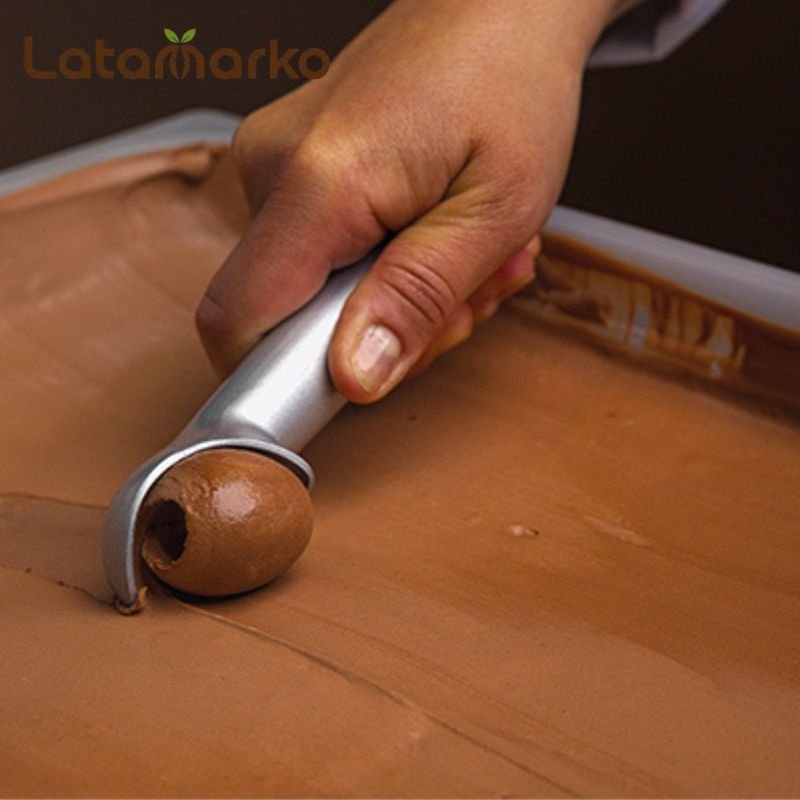
Cocoa Powder for Ice Cream
Ice cream presents another interesting environment for cocoa.
Manufacturers need to consider how the cocoa profile interacts with:
Milk
Cream or Fat Systems
Sugar
Temperature
Other Flavor Components
The desired result may range from a familiar milk-chocolate ice cream to a highly intense dark cocoa product.
Different LATAMARKO cocoa profiles can therefore be evaluated according to the concept.
A conventional chocolate ice cream may require a balanced brown profile, while a premium dark product may move toward LM60. A visually distinctive very dark frozen dessert may justify evaluating Black Cocoa Powder.
The correct choice depends on the desired finished color and sensory experience.
Cocoa Powder for Dairy Desserts
Dairy desserts cover a wide range of products:
Puddings
Custard-Style Desserts
Chocolate Creams
Chilled Desserts
Layered Desserts
Milk-Based Dessert Fillings
Here, cocoa can contribute significantly to both appearance and flavor.
Texture also changes the consumer’s perception of cocoa.
A thick chocolate pudding and a liquid chocolate beverage may use cocoa differently even when they target a similar flavor family.
For this reason, manufacturers should conduct application trials in the exact product category being developed.
Cocoa Powder for Powdered Beverage Mixes
Cocoa powder is also widely used in dry beverage preparations intended to be mixed with milk or water.
In these products, manufacturers may need to consider:
Cocoa Intensity
Color After Preparation
Powder Homogeneity
Mixing Behavior
Sweetness Balance
Final Beverage Appearance
The formulation may contain sugar, milk powder, flavorings, minerals, vitamins, or other functional ingredients.
Therefore, the cocoa powder should be evaluated both in the dry blend and after preparation according to consumer instructions.
The consumer does not experience the powder in the package; the consumer experiences the prepared drink.
Cocoa Powder for Vending and Foodservice Beverages
Foodservice and vending systems create another commercial application for cocoa powder.
Products may need to perform within standardized recipes and preparation systems while delivering a repeatable chocolate profile across many servings.
For manufacturers supplying these markets, consistency becomes particularly important.
A cocoa beverage served today should not appear dramatically different after the next raw-material delivery.
This means suppliers should be evaluated for their ability to support repeatable cocoa color and profile across commercial batches.
pH Matters in Dairy & Beverage Formulation
The pH characteristics of cocoa powder deserve attention in beverage and dairy development.
Natural and alkalized cocoa powders differ in this respect, and these differences can influence their behavior and sensory contribution within a formulation.
Professional manufacturers should therefore review technical specifications when changing cocoa powder types.
A switch from natural cocoa to a more heavily alkalized powder should not be considered only a color change.
It represents a different ingredient profile that should be validated within the complete product and process.
Cocoa Powder Fat Content
Fat content is another parameter that professional buyers may specify when sourcing cocoa powder.
Its relevance depends on the product formulation and processing requirements.
In dairy products, the cocoa enters an environment that may already contain milk fat or other fat sources. In powdered beverage systems, the formulation may have a very different composition.
Manufacturers should therefore evaluate cocoa fat content as part of the complete formulation, rather than as an isolated quality indicator.
Higher fat content does not automatically mean that a cocoa powder is better for every beverage.
From Laboratory Beaker to Production Line
One of the most important steps in selecting cocoa powder for beverage & dairy industry is scaling the evaluation correctly.
The development pathway should ideally move through several stages:
Technical Review
→ Laboratory Formulation
→ Sensory Evaluation
→ Process Trial
→ Pilot Production
→ Stability Evaluation
→ Commercial Approval
→ Industrial Supply
A successful laboratory beverage is encouraging, but it does not automatically guarantee identical behavior during industrial processing.
Homogenization, thermal treatment, large-scale mixing, filling, cooling, and storage can all influence the finished result.
Cocoa Powder for Beverage & Dairy Industry
What Should Manufacturers Compare During Cocoa Trials?
When evaluating two cocoa powders for the same dairy or beverage application, manufacturers can compare:
Finished Beverage Color
Cocoa Aroma
Chocolate Flavor Intensity
Bitterness
Acidity
Interaction with Milk Character
Mouthfeel
Dispersion
Suspension Behavior
Appearance After Processing
Performance During Storage
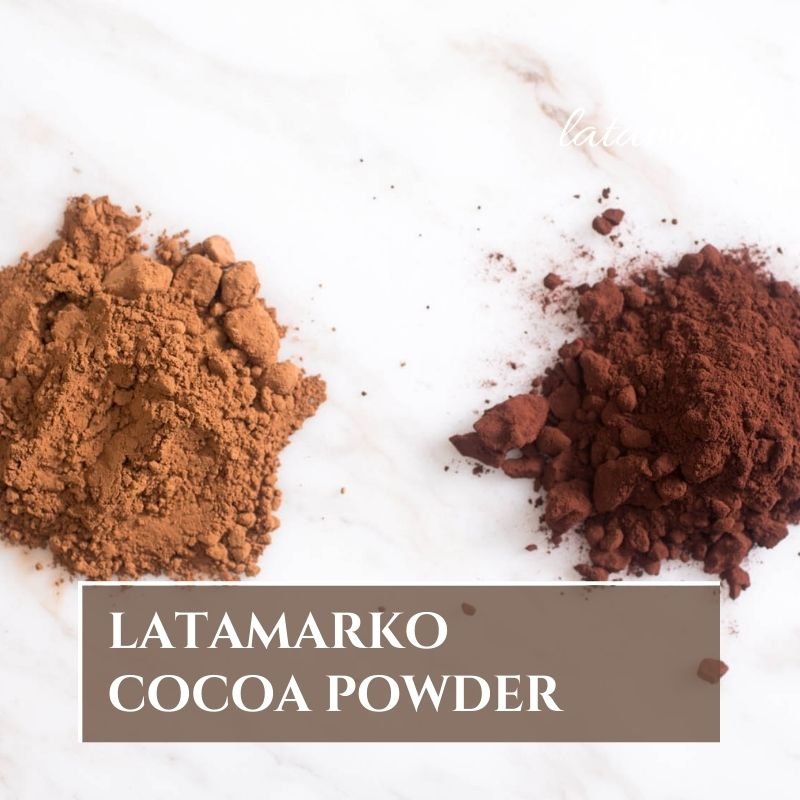
This creates a much more meaningful comparison than simply placing two dry cocoa powders next to each other.
The most valuable sample is the one that performs correctly inside your product.
Consistency Is Critical for Beverage Brands
Imagine a consumer buying the same bottled chocolate milk every week.
The consumer expects:
The Same Color
The Same Chocolate Intensity
The Same Balance of Milk and Cocoa
For an established beverage brand, variation can quickly become noticeable.
This makes raw-material consistency particularly important.
Industrial buyers should therefore consider whether an approved cocoa specification can support repeatable manufacturing across future commercial shipments.
For large-volume producers, this can be as important as finding the ideal initial sample.
Choosing the Right LATAMARKO Cocoa Powder for Dairy & Beverage Applications
The LATAMARKO portfolio gives manufacturers several possible directions:
| LATAMARKO Cocoa Powder | Product Direction | Potential Applications |
|---|---|---|
| Natural Cocoa Powder | Traditional natural cocoa profile | Selected cocoa drinks and dairy formulations |
| Alkalized Brown Cocoa Powder | Classic chocolate-brown profile | Chocolate milk, beverages, desserts |
| Light Alkalized Cocoa Powder | Balanced cocoa profile | Milk-oriented and balanced chocolate products |
| Dark Brown Cocoa Powder – LM60 | Rich dark-brown profile | Premium and intense cocoa beverages |
| Black Cocoa Powder | Very dark visual profile | Specialty drinks and distinctive dairy concepts |
| Cocoa Powder for Dairy Applications | Dairy-oriented application | Milk drinks, ice cream, desserts and dairy systems |
The purpose of this range is not to encourage manufacturers to use more cocoa varieties than necessary.
It is to provide different options for different product objectives.
How to Request Cocoa Powder for a Dairy or Beverage Project
Instead of sending only:
“Please quote cocoa powder.”
a professional inquiry can provide information such as:
Product: Chocolate milk / beverage / ice cream / dairy dessert / powdered drink
Current Cocoa: If applicable
Desired Color: Brown / light / dark brown / very dark
Target Flavor: Mild / balanced / intense cocoa
Cocoa Dosage: If already defined
Technical Specification: If available
Production Process: Where relevant
Monthly Requirement: Estimated consumption
Annual Requirement: If available
Destination: Country / port
Sample: Required / not required
Even when the technical specification has not yet been finalized, providing the application gives the cocoa selection process a much stronger starting point.
LATAMARKO Cocoa Powder for Beverage & Dairy Industry
For beverage and dairy manufacturers, LATAMARKO’s approach begins with a simple idea:
Do not select cocoa powder in isolation. Select it as part of the finished product.
A manufacturer developing traditional chocolate milk may need a completely different cocoa solution from a company creating a premium dark dairy beverage.
An ice cream producer may prioritize rich cocoa impact.
A dairy dessert manufacturer may focus on the interaction between color, creaminess, and chocolate character.
A powdered beverage producer may have another set of requirements entirely.
LATAMARKO can evaluate these applications through a portfolio including:
Natural Cocoa Powder
Alkalized Brown Cocoa Powder
Light Alkalized Cocoa Powder
Dark Brown Cocoa Powder – LM60
Black Cocoa Powder
Cocoa Powder for Dairy Applications
The selection can then move from sample evaluation to application testing and commercial supply.
For beverage and dairy manufacturers, the real measure of cocoa powder is not how it looks on a specification sheet—it is how successfully it becomes part of the finished product.
That is why the right cocoa powder for beverage & dairy industry should bring together color, cocoa character, formulation compatibility, processing performance, consistency, and reliable commercial supply.
When these elements work together, cocoa powder stops being simply an ingredient and becomes part of what makes consumers recognize, enjoy, and repeatedly choose the finished product.