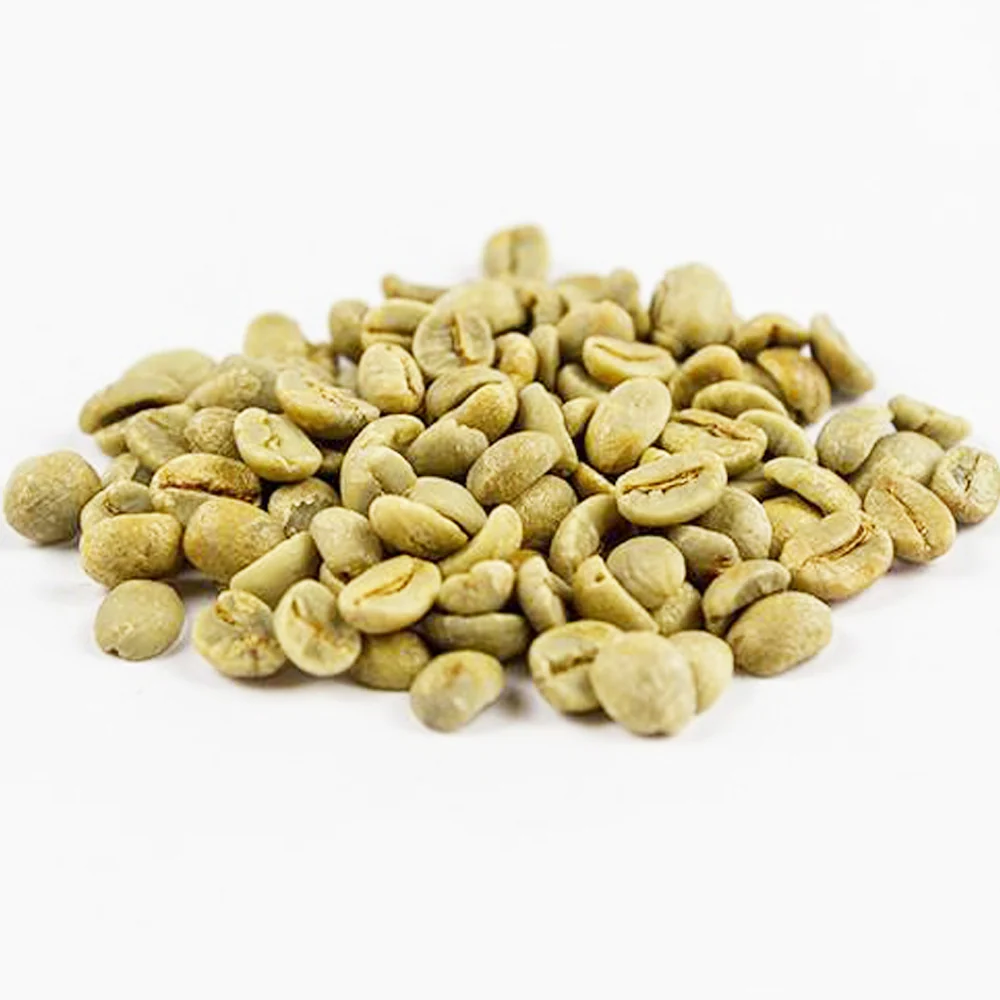
Cocoa Powder for Protein & Nutrition Products
August 28, 2026
Kenya Green Coffee: Premium Arabica for Roasters
September 1, 2026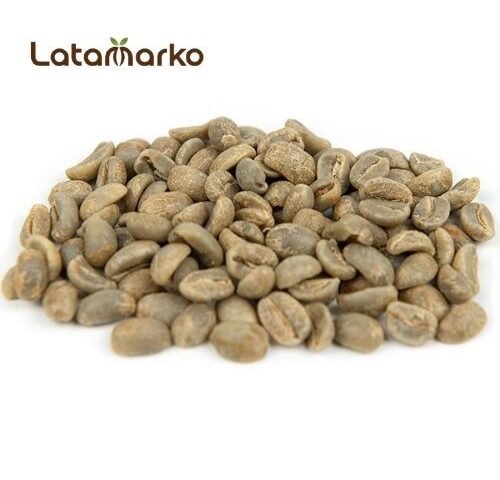
For professional roasters, Honduras green coffee offers one of the most attractive combinations in Latin American Arabica sourcing: high-grown quality, broad regional diversity, clean cup structure, and commercial scalability.
That combination matters.
Some origins are known mainly for exclusivity. Others are valued primarily for volume. Honduras can sit between those two worlds.
A specialty roaster may look to Honduras for a traceable high-grown Arabica with citrus, stone fruit, caramel, and floral character. A premium commercial roaster may need a balanced washed coffee that performs consistently in espresso and filter applications. A private-label manufacturer may want a dependable Central American Arabica that can support repeatable production at larger scale.
All of these buyers may source Honduras.
But they should not source it in the same way.
Professional green coffee buying begins by defining the role the coffee must perform:
Will it be sold as a single origin?
Will it become the sweet and balanced base of a 100% Arabica blend?
Will it be used for espresso?
Does the buyer need premium quality at recurring commercial volume?
Is high-grown positioning important to the final brand?
These questions matter more than simply asking for “Honduras Arabica.”
LATAMARKO supplies Honduras green coffee beans for professional roasters, coffee manufacturers, importers, distributors, private-label producers, and international coffee buyers.
The objective is to match the right Honduran Arabica with the buyer’s cup profile, roast application, required quality, volume, packaging, and destination market.
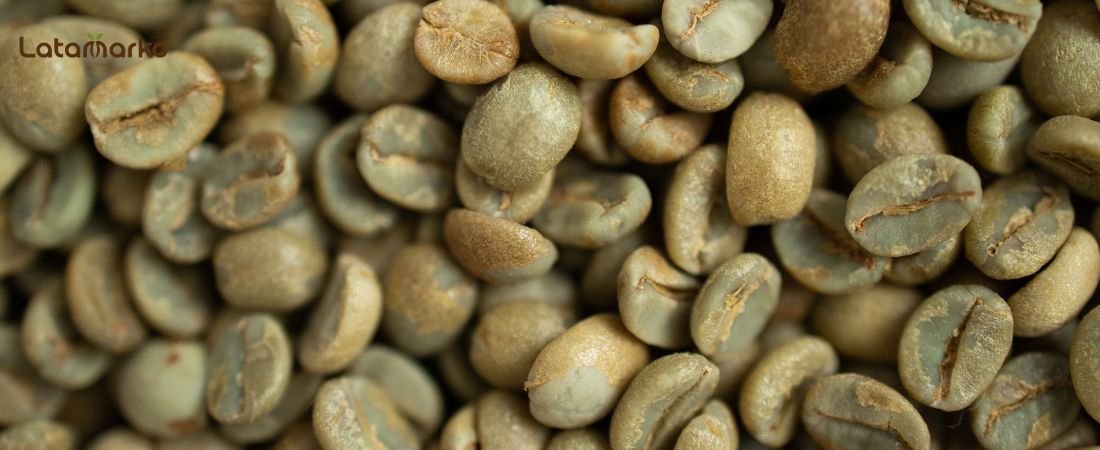
Honduras Green Coffee: High-Grown Arabica for Roasters
Why Honduras Deserves Attention from Professional Roasters
Honduras has developed into an important source of Arabica for the international coffee industry.
Its commercial appeal comes from several advantages working together:
High-Grown Production
Multiple Coffee Regions
Washed Arabica Availability
Broad Flavor Diversity
Premium and Commercial Quality Options
Scalable Export Supply
For a roaster, this flexibility is important.
Honduras can support products ranging from approachable everyday Arabica to more expressive regional single origins.
This makes it especially useful for companies managing several product tiers.
High-Grown Arabica: Why Altitude Matters
One of the most important concepts associated with Honduran coffee is high-grown Arabica.
At higher elevations, coffee cherries often mature more slowly.
Under suitable growing conditions, slower maturation can contribute to greater bean density and more developed sensory complexity.
Professional buyers may associate high-grown Arabica with potential characteristics such as:
Better Acidity Structure
Greater Sweetness
More Defined Aromatics
Higher Bean Density
More Complex Flavor
But altitude alone is not a guarantee of quality.
The final result still depends on:
Variety
Climate
Harvesting
Processing
Drying
Storage
Lot Preparation
A professional buyer should therefore evaluate altitude as one quality factor among several.
Honduran Arabica Green Coffee Beans
Honduras is primarily relevant to international roasters as an Arabica origin.
Depending on the region and lot, Honduran Arabica may offer combinations of:
Caramel-Like Sweetness
Chocolate
Citrus
Stone Fruit
Red Fruit
Nuts
Floral Notes
Balanced Acidity
Medium-to-Full Body
Clean Finish
This versatility is one of Honduras’s strongest commercial advantages.
It can work in both expressive premium coffees and more balanced mainstream Arabica products.
Honduras Is Not One Flavor Profile
A common mistake in green coffee sourcing is to treat a country as if it had one sensory identity.
Honduras does not.
Differences in:
Region
Elevation
Microclimate
Variety
Soil
Processing
Harvest
can create significant differences between coffees.
One Honduran lot may lean toward chocolate and caramel.
Another may be brighter and more citrus-driven.
Another may show stone fruit, florals, and more pronounced acidity.
This diversity allows roasters to use Honduras for multiple product concepts.
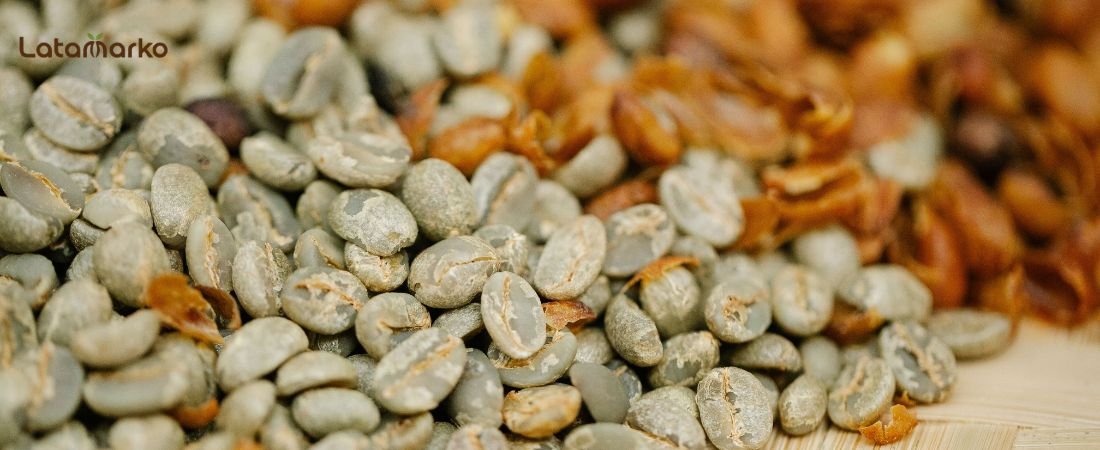
Honduras Green Coffee: High-Grown Arabica for Roasters
Major Coffee-Producing Regions in Honduras
Professional buyers may encounter Honduran coffee from several recognized producing areas.
Depending on availability and commercial specification, these can include regions such as:
Copán
Montecilios
Agalta
Opalaca
Comayagua
El Paraíso
Each area may offer different combinations of elevation, climate, and cup character.
For premium programs, regional identity can become an important part of both coffee selection and final product positioning.
Copán Green Coffee
Copán can be relevant to roasters looking for balanced Honduran Arabica with strong commercial versatility.
Depending on the lot, possible sensory directions may include:
Chocolate
Caramel
Sweetness
Nutty Notes
Balanced Acidity
This type of profile can work particularly well for:
Espresso
Premium Commercial Blends
100% Arabica Coffee
Private Label
Foodservice
Single-Origin Retail
For buyers looking for an approachable Central American profile, Copán may be worth evaluating.
Montecillos Green Coffee
Montecillos is another important Honduran coffee-producing area.
Selected lots may show brighter and more complex profiles.
Potential sensory characteristics can include:
Citrus
Stone Fruit
Sweetness
Floral Notes
Structured Acidity
Clean Finish
This can make Montecillos especially interesting for:
Specialty Roasters
Filter Coffee
Premium Single-Origin Programs
High-End Retail
Light-to-Medium Roast Profiles
The actual lot should always determine the purchasing decision.
Opalaca Green Coffee
Opalaca may offer another premium direction for Honduran Arabica buyers.
Depending on the coffee, roasters may find combinations of:
Fruit
Chocolate
Sweetness
Floral Character
Balanced Body
These coffees can be suitable for:
Single Origin
Espresso
Filter
Premium Blends
Regional identity can also help brands differentiate their Honduran offering from more generic country-level products.
El Paraíso Green Coffee
El Paraíso is also important in Honduran coffee production.
Depending on the lot and elevation, coffees may show:
Citrus
Sweetness
Chocolate
Fruit
Balanced Acidity
This versatility can make El Paraíso attractive for professional roasters seeking both specialty-oriented and premium commercial opportunities.
Why Washed Honduras Is So Useful to Roasters
Much of the Honduran coffee encountered by international buyers is associated with washed processing.
Washed processing can support:
Clean Cup Structure
Defined Acidity
Clear Sweetness
Better Flavor Separation
Balanced Finish
This makes washed Honduras particularly useful in roasting programs where consistency and clarity are important.
For a roaster, that can mean easier integration into:
Espresso
Filter
100% Arabica Blends
Premium Retail Coffee
Private Label
Honduras for Espresso Roasting
Honduran Arabica can be highly useful in espresso.
Its balance between sweetness, body, and acidity can allow it to perform as either:
A Main Espresso Component
or
A Supporting Arabica in a Multi-Origin Blend
Depending on the lot, espresso-oriented Honduras may contribute:
Caramel Sweetness
Chocolate
Balanced Acidity
Medium Body
Clean Finish
This can make it particularly attractive to roasters looking for espresso that is structured without becoming excessively heavy or bitter.
Honduras as a Base for 100% Arabica Espresso
Some coffees are added to blends primarily for impact.
Honduras can often perform another role:
the foundation.
A balanced Honduran Arabica can provide enough sweetness and body to create the base structure of a 100% Arabica espresso.
Other origins can then be added to modify the profile.
For example:
Honduras + Ethiopia
may increase aroma and fruit.
Honduras + Brazil
may increase body, chocolate, and sweetness.
Honduras + Colombia
may create an especially balanced Latin American blend.
This versatility is commercially useful.
Honduras + Brazil Coffee Blends
A practical combination for many roasters is:
Honduras + Brazil
Brazil may contribute:
Chocolate
Nuts
Body
Sweetness
Honduras may add:
Clean Acidity
Caramel Character
Fruit
Balance
Together, they can create an approachable 100% Arabica coffee with broad consumer appeal.
This can work well for:
Espresso
Retail Coffee
Private Label
Foodservice
Honduras + Colombia Coffee Blends
Another commercially strong combination can be:
Honduras + Colombia
Both origins can offer balanced Arabica profiles, but they may contribute different details.
Colombia may add:
Caramel
Structured Acidity
Sweetness
while Honduras can contribute:
Body
Chocolate
Fruit
Clean Cup Structure
This can produce a highly balanced coffee suitable for broad markets.
Honduras + Ethiopia
For roasters wanting greater aromatic complexity, a blend such as:
Honduras + Ethiopia
can create a useful contrast.
Honduras may provide:
Sweetness
Body
Balance
while Ethiopia may contribute:
Floral Notes
Fruit
Citrus
Aromatic Lift
This can be especially useful in premium 100% Arabica espresso or filter blends.
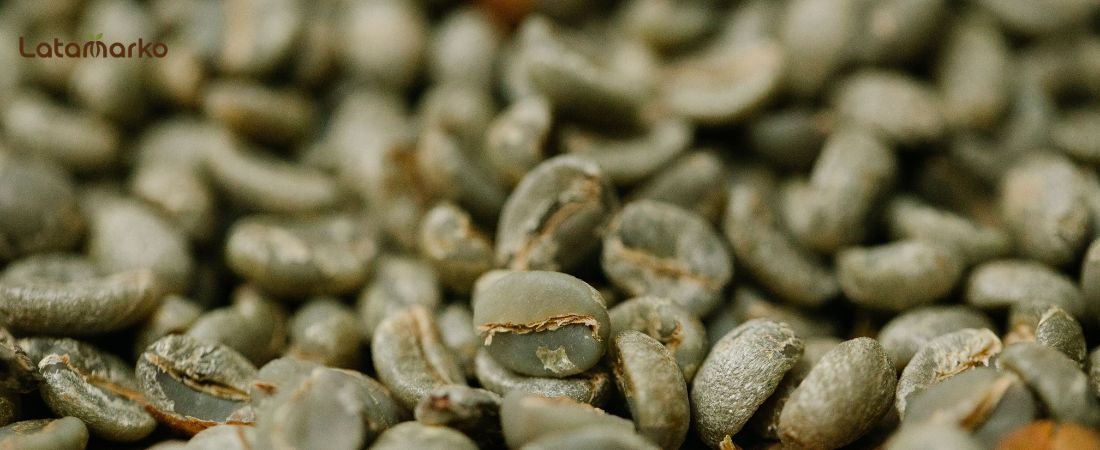
Honduras Green Coffee: High-Grown Arabica for Roasters
Honduras Green Coffee for Filter Roasting
Honduras should not be considered only an espresso origin.
Higher-quality lots can perform very well in filter roasting.
Professional filter roasters may look for:
Citrus
Stone Fruit
Floral Notes
Caramel Sweetness
Clean Acidity
Balanced Body
These characteristics can work across:
Pour-Over
Batch Brew
Specialty Filter
Premium Retail Coffee
The roast profile should be adjusted according to bean density, moisture, and desired sensory expression.
Honduras for Single-Origin Coffee
Honduras can be an excellent origin for single-origin programs.
Possible positioning can include:
Honduras High-Grown Arabica
Honduras Washed Arabica
Honduras Copán
Honduras Montecillos
Honduras Opalaca
Regional or Farm-Specific Lots
The more traceable the coffee, the more detailed the product story can become.
For premium retail brands, this can create a stronger identity than a generic “Central American Arabica” description.
High-Grown Honduras for Premium Retail
The phrase high-grown Arabica can support premium positioning when it reflects the actual coffee specification.
Consumers increasingly want to understand why one coffee differs from another.
A premium Honduras product may be positioned around:
Origin
Elevation
Region
Processing
Variety
Cup Profile
Roast Style
These details can increase differentiation.
But the product must still deliver meaningful sensory quality.
Premium language should be supported by premium performance.
Honduran Coffee for Specialty Roasters
Specialty buyers may prioritize:
Regional Traceability
Farm or Cooperative Information
Elevation
Variety
Process
Cup Score
Harvest
Sensory Character
For these buyers, Honduras can provide interesting high-grown Arabica lots with strong regional identity.
Sample approval is particularly important because even coffees from the same general region can vary considerably.
Honduras for Premium Commercial Roasters
Honduras is also highly relevant outside the micro-lot segment.
Premium commercial buyers may need:
Good Arabica Quality
Reliable Volume
Consistent Cup Direction
Repeatable Physical Preparation
Commercial Scalability
Competitive Product Positioning
This is where Honduras can be especially valuable.
It can offer more differentiation than a purely commodity Arabica while still supporting larger roasting programs.
Honduras Green Coffee for Private Label
Private-label manufacturers often need coffees that can adapt to many customer profiles.
Honduran Arabica can support products such as:
100% Arabica Espresso
Premium Medium Roast
Single-Origin Honduras
Central American Blend
Filter Coffee
Foodservice Arabica
Premium Retail Coffee
This flexibility allows one origin to serve several customer segments.
Honduras for Foodservice Roasters
Foodservice buyers usually prioritize consistency.
Restaurants, cafés, hotels, and office systems need coffee that performs predictably.
A Honduran Arabica selected for foodservice may need to provide:
Balanced Extraction
Sweetness
Good Body
Low Harshness
Milk Compatibility
Consistent Supply
This can make Honduras particularly useful for roasters that want to position foodservice coffee above basic commercial quality.
High-Grown Coffee and Bean Density
Higher-altitude coffees can often develop denser bean structures.
This can influence roasting behavior.
Dense beans may require different heat management compared with softer, lower-density coffees.
Professional roasters should consider:
Density
Moisture
Screen Size
Batch Size
Charge Temperature
Heat Application
Development Time
The objective is not to follow a universal “high-grown roast.”
The objective is to understand how the actual coffee responds.
Screen Size and Roast Uniformity
Screen size may also be relevant when evaluating Honduran green coffee.
More uniform bean preparation can help support consistent roasting.
However, screen size should always be evaluated alongside:
Density
Defects
Moisture
Processing
Cup Quality
Large beans do not automatically mean better coffee.
Sensory performance remains essential.
Defect Control
Professional buyers should define acceptable defect levels before commercial purchase.
Physical defects can affect:
Roast Uniformity
Cup Cleanliness
Flavor
Visual Quality
Production Consistency
A representative sample should therefore be inspected physically as well as cupped.
Moisture and Green Coffee Stability
Green coffee must remain stable from origin to roastery.
Professional buyers should monitor:
Moisture
Bag Condition
Odor
Warehouse Humidity
Temperature
Storage Duration
Container Conditions
These factors can influence cup quality long after the coffee leaves Honduras.
Protective Packaging
For higher-value coffees, buyers may request protective inner packaging such as GrainPro or other hermetic solutions, depending on availability and agreement.
This can help protect coffee against:
Humidity Fluctuation
Long Ocean Transit
Warehouse Exposure
Longer Storage Periods
Packaging requirements should be finalized before shipment.
Crop Year and Freshness
Crop information matters for both specialty and commercial roasters.
When moving from one crop to another, buyers may notice changes in:
Moisture
Density
Acidity
Sweetness
Roast Behavior
Cup Profile
Large roasters should evaluate new crop samples before changing a permanent production recipe.
Sample Roasting Honduras Green Coffee
Professional approval should be application-based.
A useful process is:
Define Target
→ Review Green Coffee Specification
→ Inspect Sample
→ Sample Roast
→ Cup
→ Test as Espresso or Filter
→ Test in Blend
→ Compare With Existing Product
→ Approve Commercial Supply
This prevents buying decisions based only on origin reputation or written descriptions.
What to Evaluate During Cupping
Professional buyers may evaluate Honduran coffee for:
Aroma
Sweetness
Acidity
Body
Flavor
Aftertaste
Balance
Cleanliness
Uniformity
The priorities depend on application.
A premium filter coffee may prioritize acidity clarity and aroma.
An espresso buyer may place more importance on sweetness, body, balance, and finish.
Balance Is One of Honduras’s Strongest Advantages
Not every coffee needs extreme fruit or intense acidity.
Many commercially successful coffees succeed because they are balanced.
Honduran Arabica can be particularly useful when the roaster wants:
Enough acidity to remain lively
without
losing sweetness and body.
This makes it suitable for broad consumer markets.
Balance can be commercially powerful because it allows a product to appeal to a wider audience without becoming generic.
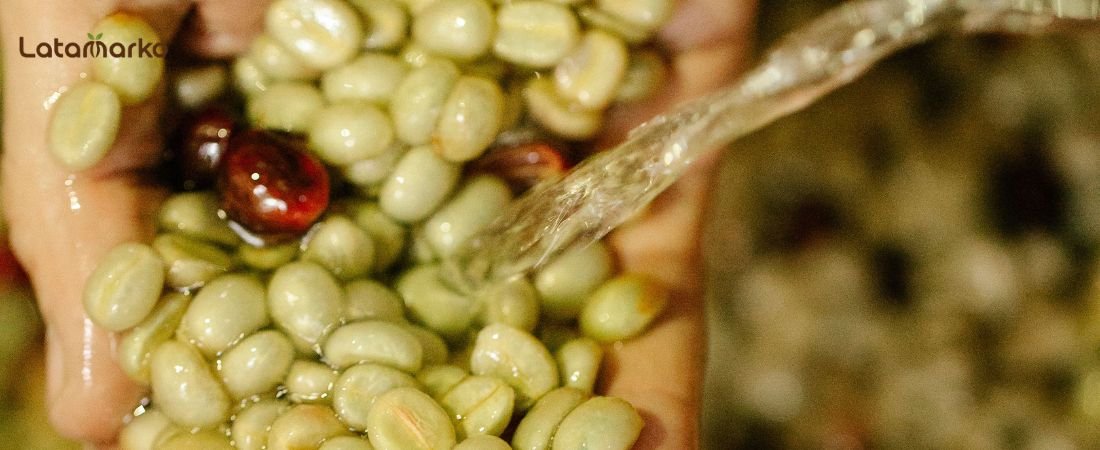
Honduras Green Coffee: High-Grown Arabica for Roasters
Consistency for Recurring Roasting Programs
Professional buyers operating permanent product lines need more than one excellent shipment.
They need repeatability.
Key questions include:
Can the cup profile be maintained?
Can the same grade be supplied?
Can commercial volume be repeated?
How will crop transitions be handled?
Are lot changes communicated?
For annual programs, these factors may matter as much as the first sample.
Buying Honduras Green Coffee Wholesale
When requesting Honduras green coffee wholesale, buyers should provide a precise requirement.
Useful information includes:
Origin: Honduras
Region: If required
Species: Arabica
Processing: Washed / Other
Quality Level: Commercial / Premium / Specialty
Grade: Required specification
Cup Profile: Desired sensory direction
Application: Espresso / Filter / Blend / Single Origin
Quantity: Bags / Pallets / FCL
Packaging: Required configuration
Destination: Country and port
A clear specification makes supplier comparison much more meaningful.
Bulk Honduras Green Coffee Supply
For larger roasters, Honduras can be considered for:
Pallet Quantities
Full Container Loads
Recurring Container Shipments
Annual Supply Programs
At this scale, buyers should evaluate both quality and operational reliability.
Important factors include:
Available Volume
Lot Consistency
Lead Time
Documentation
Packaging
Shipment Schedule
Crop Availability
Commercial Terms
A good coffee must also be a workable supply program.
Honduras Green Coffee Price: Define the Quality Before Comparing Offers
There is no single representative price for Honduran green coffee.
Commercial differences may result from:
Region
Altitude
Cup Quality
Grade
Processing
Traceability
Crop
Quantity
Packaging
Freight
Commercial Terms
A traceable high-grown specialty lot should not be compared directly with a larger-volume premium commercial coffee.
They serve different product strategies.
Cost-in-Cup Matters More Than Price Alone
A professional roaster should ask:
How much does the coffee contribute to the blend?
What roast loss should be expected?
Does it improve sweetness or balance?
Can it reduce dependence on more expensive components?
Can the same profile be repeated?
Does it support a higher-value finished product?
This is a better commercial framework than purchasing only according to green coffee price.
The right Honduran Arabica may create value through both cup quality and blend efficiency.
Specialty Honduras vs Premium Commercial Honduras
Honduras can serve different market segments.
Specialty Honduras
Suitable for buyers prioritizing:
Traceability
High-Grown Lots
Distinctive Cup
Regional Identity
Variety
Premium Single-Origin Products
Premium Commercial Honduras
Suitable where the priorities are:
Good Cup Quality
Balanced Arabica Profile
Scalable Volume
Consistency
Premium Blend Performance
Commercial Honduras
Suitable for buyers focused on:
Volume
Blend Function
Broad Consumer Appeal
Production Economics
Each level has a valid commercial role.
How Roasters Should Select Honduras Green Coffee
Before purchasing, define these seven points.
1. Is High-Grown Coffee Required?
If elevation is important to the product, confirm the actual specification.
2. Which Region Fits the Target?
Copán, Montecillos, Opalaca, El Paraíso, or another region?
3. What Cup Profile Is Needed?
Chocolate and caramel? Citrus and fruit? Floral complexity? Balanced acidity?
4. What Is the Final Application?
Espresso, filter, single origin, private label, or blend?
5. What Quality Segment Is Required?
Commercial, premium commercial, or specialty?
6. What Volume Is Needed?
A seasonal micro-lot and a recurring FCL program require different sourcing.
7. Can the Coffee Be Repeated?
For permanent products, supply continuity must be evaluated before final approval.
LATAMARKO Honduras Green Coffee Supply
LATAMARKO supplies Honduras green coffee beans for professional roasters, coffee manufacturers, importers, distributors, private-label producers, and international coffee businesses.
Depending on availability and required specification, sourcing opportunities can include:
Honduras Arabica
High-Grown Honduras Arabica
Washed Honduras Green Coffee
Regional Honduran Coffees
Premium Commercial Arabica
Specialty-Oriented Arabica Lots
Each purchasing requirement should be evaluated according to its actual commercial purpose.
A specialty roaster searching for a high-altitude regional lot has different needs from a private-label manufacturer purchasing recurring volumes of balanced washed Arabica.
LATAMARKO evaluates these requirements according to:
Origin and Region
Processing
Cup Target
Quality Level
Application
Required Volume
Packaging
Destination
Supply Program
Request Honduras Green Coffee for Your Roastery
If you are sourcing Honduras Green Coffee: High-Grown Arabica for Roasters, provide as much technical and commercial information as possible.
Tell LATAMARKO:
Do you require high-grown Arabica?
Are you looking for a specific Honduran region?
What cup profile are you targeting?
Chocolate, caramel, citrus, stone fruit, floral, or balanced?
Will the coffee be used for espresso, filter, single origin, or blending?
What quality segment do you require?
Do you have a grade, screen, or defect specification?
What is your monthly or annual requirement?
Do you purchase bags, pallets, or full-container quantities?
What packaging do you require?
What is the destination country or port?
Would you like to evaluate a representative sample before commercial approval?
If you currently roast Honduran coffee, your existing specification or target cup can also be used as a benchmark.
Honduras does not need to compete by being the most extreme coffee in a roastery.
Its strength can be more commercially useful than that.
It can deliver high-grown Arabica quality, clean structure, sweetness, balance, regional diversity, and the flexibility to work across both premium and scalable roasting programs.
For one roaster, Honduras may become a bright regional single origin.
For another, it may become the balanced foundation of a premium espresso.
For a private-label manufacturer, it may offer the combination of quality and repeatability needed to build a long-term product.
And for an international coffee buyer, it can provide a valuable bridge between specialty character and commercial scale.
That is the strategic value of Honduras Green Coffee: High-Grown Arabica for Roasters:
a versatile Central American origin capable of turning high-grown Arabica into dependable, differentiated, and commercially successful coffee products.