Cocoa Powder for Chocolate Manufacturing
September 4, 2026
Cocoa Powder for Compound Chocolate
September 5, 2026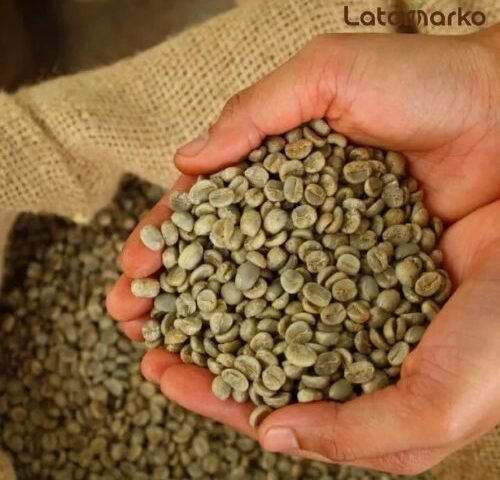
For professional roasters and green coffee buyers, Uganda is one of the few origins capable of offering two very different commercial opportunities at the same time: distinctive Arabica for premium roasting and strong Robusta for espresso, blends, and high-volume industrial use.
That combination makes Uganda strategically important.
A specialty-focused roaster may be looking for Bugisu Arabica with regional identity and a cleaner, more expressive cup. A commercial espresso producer may prioritize Uganda Robusta Screen 17 or Screen 18 for body, crema, intensity, and scalable supply. Another buyer may need a reliable Ugandan Robusta for a private-label program or an industrial blend where consistency and commercial efficiency matter more than rarity.
These buyers are all sourcing from Uganda, but they are not sourcing the same coffee.
The right purchasing decision depends on:
Species
Region
Grade
Screen Size
Processing
Cup Profile
Defect Specification
Required Volume
Roasting Application
Commercial Positioning
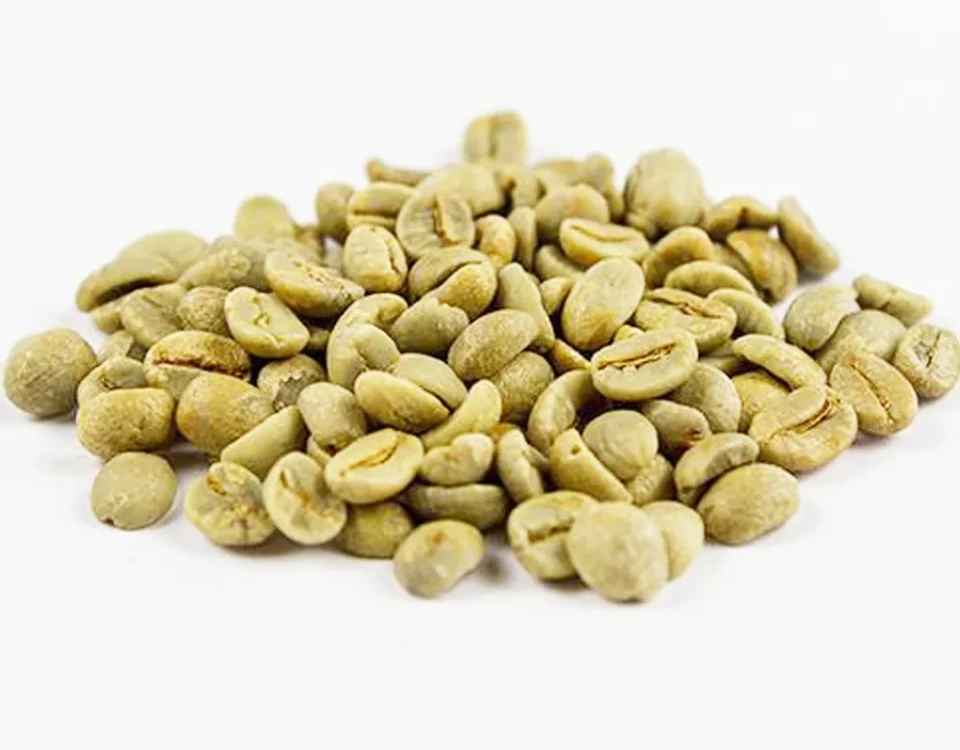
LATAMARKO supplies Uganda green coffee beans for professional roasters, coffee manufacturers, importers, distributors, and industrial buyers serving international markets.
The objective is not simply to supply Ugandan coffee.
It is to identify the Ugandan Arabica or Robusta that fits the buyer’s roast strategy, cup target, production scale, and market.
Uganda should not be purchased only as an origin. It should be selected as a functional part of the final coffee product.
Uganda Green Coffee: Premium Arabica & Robusta Supply
Why Uganda Matters in Global Green Coffee Sourcing
Uganda has an important place in international coffee trade because it offers both:
Arabica Coffee
and
Robusta Coffee
This gives professional buyers considerable flexibility.
Ugandan coffee can be considered for:
Premium Single-Origin Coffee
Specialty-Oriented Roasting
Espresso
Espresso Blends
Commercial Roasting
Private Label Coffee
Foodservice
Industrial Coffee Production
High-Volume Blends
Retail Coffee
For buyers managing several product categories, this versatility can be commercially valuable.
A single origin country can support both premium Arabica development and volume-oriented Robusta sourcing.
Uganda Arabica and Robusta Serve Different Markets
One of the most important things professional buyers should understand is that Uganda Arabica and Uganda Robusta should not be evaluated using the same criteria.
Arabica may be selected for:
Aromatic Complexity
Regional Character
Acidity
Sweetness
Single-Origin Positioning
Premium Retail
Robusta may be selected for:
Body
Intensity
Crema
Blend Structure
Commercial Volume
Production Economics
This does not mean one is “better” than the other.
They perform different functions.
A professional roaster should first define what the coffee needs to do before deciding which Ugandan coffee to buy.
Uganda Arabica Green Coffee Beans
Uganda produces Arabica in higher-altitude areas, and these coffees can be attractive to roasters looking for a more origin-focused product.
Depending on region, variety, processing, harvest, and lot selection, Ugandan Arabica can show characteristics such as:
Balanced Acidity
Sweetness
Fruit Notes
Citrus
Floral Character
Chocolate Notes
Clean Cup Structure
The exact profile depends on the coffee.
This is why professional buyers should never approve a Ugandan Arabica based only on country name or general description.
Sample roasting and cupping remain essential.
Bugisu Arabica Green Coffee
Bugisu Arabica is one of Uganda’s best-known Arabica coffee directions.
It is associated with eastern Uganda and is often considered by roasters looking for more distinctive regional coffees.
Depending on the lot, Bugisu can be evaluated for:
Single-Origin Coffee
Specialty-Oriented Roasting
Premium Retail Coffee
Filter Coffee
Premium Espresso
High-End Private Label
Potential cup characteristics may include combinations of:
Citrus
Fruit
Chocolate
Sweetness
Balanced Acidity
Medium Body
Again, the exact result varies from lot to lot.
For professional buyers, Bugisu should be treated as a regional sourcing category that still requires technical and sensory evaluation.
Uganda Robusta Green Coffee Beans
Uganda is especially important in the Robusta market.
For professional roasters and industrial coffee manufacturers, Uganda Robusta can be a strategic ingredient in products where body, intensity, crema, and commercial scalability are essential.
Potential applications include:
Espresso Blends
Commercial Espresso
Traditional Coffee Blends
Private Label Coffee
Foodservice
Industrial Roasting
High-Volume Retail Coffee
Instant Coffee-Oriented Supply
A well-selected Robusta can perform a very specific role in a blend.
It may add:
Body
Crema
Intensity
Bitterness
Structure
Roast Character
The exact role depends on grade and quality.
Why Professional Roasters Use Robusta
Robusta is sometimes discussed too simply.
For professional roasting, its value is not only based on cost.
A suitable Robusta can be used intentionally to build a certain espresso structure.
For example, a roaster may use Robusta when the target product requires:
Thicker Crema
Heavier Body
Higher Intensity
Stronger Roast Presence
A More Traditional Espresso Character
Greater Blend Structure
The key is selection.
Low-quality Robusta and carefully prepared Robusta should not be treated as identical ingredients.
Professional buyers should review both physical preparation and cup performance.
Uganda Robusta Screen 18
Uganda Robusta Screen 18 can be attractive to professional buyers who require larger and more uniform bean preparation.
Potential applications include:
Premium Commercial Espresso
Espresso Blends
Private Label Coffee
Foodservice
Industrial Roasting
Large-Volume Programs
Screen size can help improve physical uniformity, which may support greater consistency during roasting.
However:
Screen 18 does not automatically mean better cup quality.
It is one specification among several.
The buyer should still evaluate:
Defects
Moisture
Cup Quality
Processing
Crop
Roast Performance
Commercial Suitability
Uganda Robusta Screen 17
Screen 17 Robusta is another useful commercial preparation for roasters and industrial buyers.
It can provide a balance between bean-size preparation and commercial applicability.
Potential uses include:
Espresso Blends
Commercial Coffee
Private Label Programs
Foodservice Coffee
Industrial Production
Large-Volume Roasting
A professional buyer choosing between Screen 17 and Screen 18 should not make the decision based only on the larger number.
The decision should reflect:
Target Roast
Blend Function
Physical Uniformity
Cup Performance
Required Volume
Commercial Positioning
Uganda Robusta for Espresso
Ugandan Robusta can be particularly relevant in espresso.
In a professionally designed blend, it may contribute:
Body
Crema
Intensity
Bitterness
Roasted Character
Longer Sensory Persistence
This can be valuable in espresso products designed for:
Traditional Cafés
Foodservice
Automatic Machines
High-Intensity Retail Coffee
Milk-Based Coffee Beverages
In cappuccino, latte, and other milk-based drinks, a stronger coffee component may help maintain coffee presence after milk is added.
This is one reason Robusta remains important in many commercial espresso systems.
Uganda Robusta in Arabica-Robusta Blends
Many commercial espresso products combine Arabica and Robusta.
The goal is not simply to reduce cost.
A carefully designed blend can use each species for a specific function.
For example:
Arabica may contribute aroma, sweetness, acidity, and complexity.
Robusta may contribute body, crema, strength, and intensity.
Possible blend structures can include:
Brazil Arabica + Uganda Robusta
Colombia Arabica + Uganda Robusta
Brazil + Colombia + Uganda Robusta
India Arabica + Uganda Robusta
Each combination creates a different result.
The percentage of Robusta should be determined by the target cup profile, roast level, market, and product positioning.
Uganda Coffee for Traditional Espresso Markets
In many international markets, consumers prefer espresso with:
Strong Body
Dark Roast Character
Persistent Crema
High Intensity
Low Perceived Acidity
For these segments, Uganda Robusta can be commercially relevant.
A roaster producing coffee for restaurants, cafés, hotels, or traditional espresso consumers may intentionally use Robusta as a structural component.
This is very different from a light-roast specialty strategy.
Professional sourcing should always be aligned with the final market.
Uganda Arabica for Premium Roasters
At the other end of the spectrum, Uganda also offers opportunities for roasters developing more premium products.
Selected Arabica lots, especially from recognized growing regions, can support:
Single-Origin Programs
Specialty Coffee
Premium Filter Coffee
Origin-Focused Retail
Premium Espresso
For these products, buyers may place greater importance on:
Traceability
Regional Identity
Altitude
Processing
Cup Score
Variety
Harvest
Sensory Character
The purchasing process therefore becomes more lot-specific.
Uganda Green Coffee for Single-Origin Products
Uganda can support single-origin product development in different ways.
For Arabica, the focus may be:
Regional Story
Cup Complexity
Origin Identity
Premium Positioning
For Robusta, a single-origin concept can focus on:
Strength
Body
Distinctive Robusta Character
Origin Transparency
Specialty Robusta Positioning
The important point is that the product should have a clearly defined consumer proposition.
A single-origin label alone is not enough.
Uganda Green Coffee for Commercial Roasters
Large roasting companies often need more than a distinctive cup.
They may require:
Stable Volume
Repeatable Quality
Consistent Physical Preparation
Reliable Shipment Programs
Commercial Scalability
Blend Consistency
Competitive Production Economics
Uganda can be particularly relevant for these buyers because its Robusta production can support high-volume applications.
The correct coffee, however, must still be matched to the target specification.
For industrial roasting, repeatability matters enormously.
Uganda Green Coffee for Private Label Coffee
Private label roasters may need to produce several coffee concepts for different brands.
Uganda can support products such as:
Arabica Single Origin
Premium Uganda Coffee
Traditional Espresso
Arabica-Robusta Blend
High-Crema Espresso
Commercial Retail Coffee
Foodservice Coffee
Strong Dark-Roast Coffee
This allows private-label manufacturers to use Uganda in several different ways depending on customer requirements.
Uganda Green Coffee for Foodservice
Foodservice customers often prioritize:
Consistency
Strong Cup Performance
Reliable Supply
Operational Efficiency
Broad Consumer Acceptance
For espresso-oriented foodservice, Robusta can be particularly useful where intensity and crema are important.
The final blend should still be tested using the actual equipment used by the customer.
A coffee that performs well in cupping may behave differently in:
Automatic Espresso Machines
Traditional Espresso Machines
High-Volume Foodservice Systems
Application testing matters.
Uganda Green Coffee: Premium Arabica & Robusta Supply
Washed Arabica vs Natural Robusta
Processing can create major differences in Ugandan coffee.
Arabica lots may be offered with different processing styles, and Robusta may also vary according to preparation and processing.
Professional buyers should evaluate:
Cleanliness
Fermentation Character
Sweetness
Body
Acidity
Defects
Cup Uniformity
Processing terminology alone should never replace tasting.
The actual lot should determine approval.
Understanding DRUGAR and WUGAR
Professional buyers may encounter commercial Ugandan Robusta terminology such as:
DRUGAR
and
WUGAR
These categories refer to different Robusta preparation directions and should be reviewed according to the supplier’s exact specification.
For an industrial buyer, the name itself is not enough.
The quotation should be supported by clear information about:
Grade
Screen
Defects
Moisture
Processing
Cup Requirements
Crop
Packaging
This allows the buyer to compare equivalent offers instead of comparing labels only.
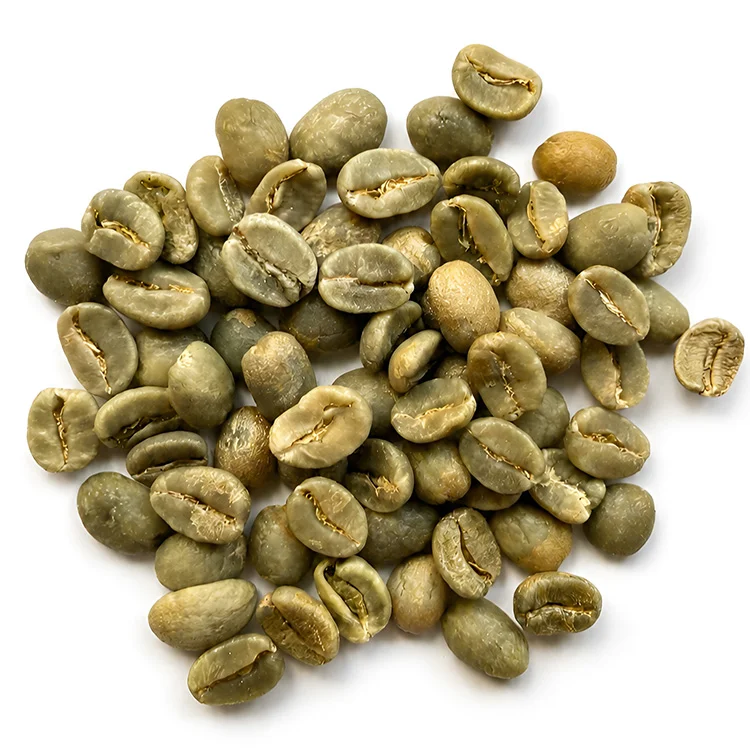
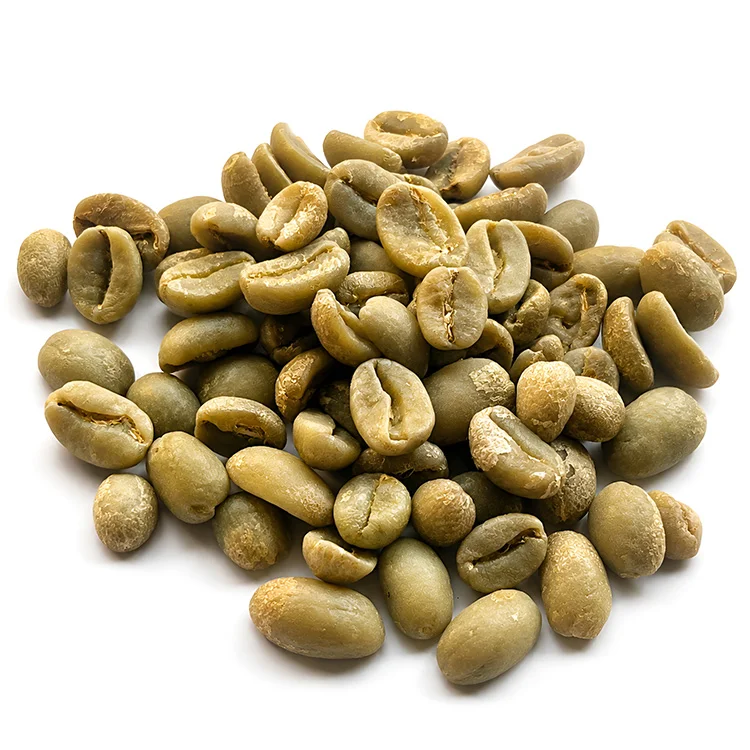
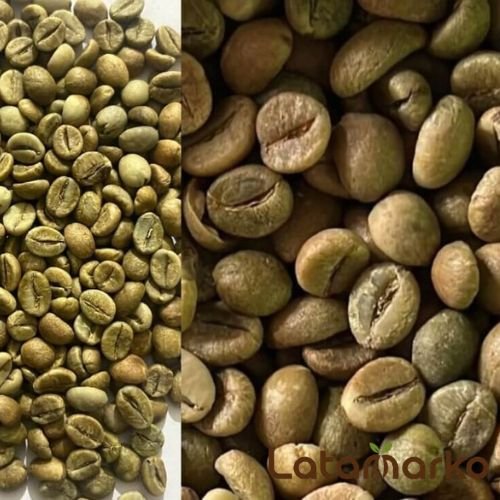
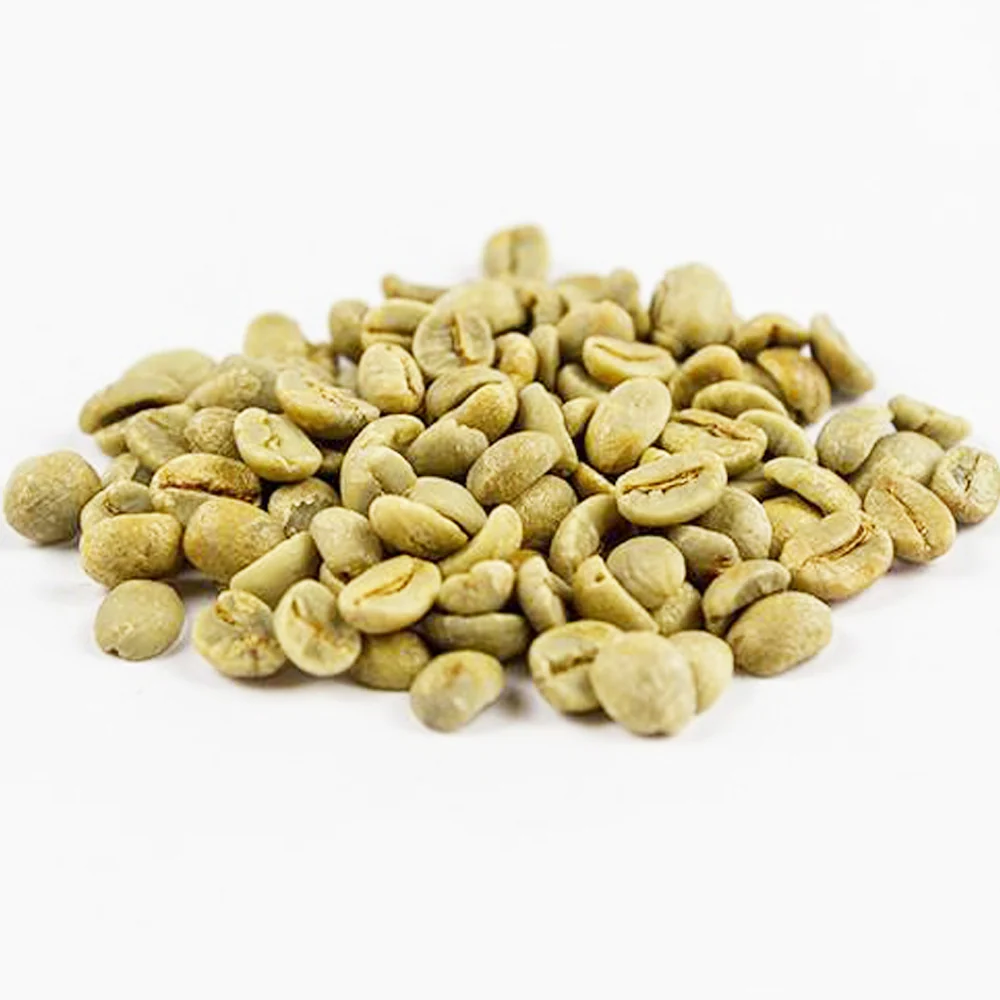
Physical Quality of Uganda Green Coffee
Professional green coffee evaluation should include the physical condition of the beans.
Important parameters may include:
Screen Size
Defect Count
Moisture
Bean Uniformity
Foreign Matter
Color
Odor
Overall Physical Condition
These characteristics can influence roasting consistency and finished-product quality.
A large industrial roaster should define acceptable tolerances clearly.
Screen Size and Roasting Consistency
Screen size is especially relevant when buying commercial Robusta.
More uniform bean size can support more predictable roasting behavior.
If a batch contains a very broad mixture of small and large beans, heat transfer may differ across the batch.
However, roasting performance also depends on:
Density
Moisture
Processing
Bean Structure
Roast Profile
Therefore, screen size should be reviewed as part of the complete specification.
Moisture and Storage
Green coffee is sensitive to storage conditions.
Professional buyers should consider:
Moisture
Warehouse Humidity
Temperature
Odor Contamination
Bag Condition
Storage Duration
Container Conditions
Coffee should be protected throughout the supply chain.
Poor storage can damage the commercial value of a good lot before it ever reaches the roasting machine.
Crop and Supply Continuity
For recurring roasting programs, crop information matters.
A buyer running the same blend throughout the year should monitor changes between:
Lots
Shipments
Harvests
Crop Years
Before moving to a new crop, sample evaluation can help determine whether roast or blend adjustments are required.
This is especially important for established products where customers expect a consistent taste.
Sample Evaluation Before Commercial Purchase
A professional buying process can follow this structure:
Review Specification
→ Inspect Green Beans
→ Sample Roast
→ Cup
→ Evaluate as Espresso or Filter
→ Test in Blend
→ Compare with Current Coffee
→ Approve Commercial Purchase
For Robusta, espresso testing can be particularly important.
If the intended application is a 20% or 30% component of an espresso blend, the coffee should be tested at the intended blend percentage.
This gives the buyer a much more realistic understanding of its commercial value.
Evaluate Robusta Inside the Final Blend
A common mistake is judging Robusta only as a standalone cup.
But many Robusta coffees are purchased specifically for blending.
The correct question may therefore be:
What happens when this coffee represents 10%, 20%, or 30% of our espresso blend?
Evaluate:
Crema
Body
Bitterness
Aroma
Aftertaste
Milk Performance
Overall Balance
This is a much more useful commercial test.
Consistency Is Critical for Industrial Buyers
Suppose a roaster approves a Ugandan Robusta for a flagship espresso.
The blend is successful.
The business begins supplying hotels, cafés, restaurants, and retail customers.
Now consistency becomes essential.
If future shipments vary significantly in:
Defects
Cup Character
Body
Bitterness
Roast Behavior
the final product can change.
Industrial buyers should therefore look for more than a successful first sample.
They should evaluate the possibility of repeatable commercial supply.
Buying Uganda Green Coffee Wholesale
When requesting Uganda green coffee wholesale, buyers should send a detailed specification.
Useful information includes:
Origin: Uganda
Species: Arabica / Robusta
Region: If required
Grade: Required preparation
Screen: 17 / 18 / Other
Process: Required process
Cup Requirement: If applicable
Crop: Required crop information
Application: Espresso / Blend / Filter / Private Label
Quantity: Bags / Pallets / FCL
Destination: Country and port
Packaging: Required configuration
A clear inquiry produces a more relevant commercial proposal.
Bulk Uganda Green Coffee Supply
Industrial buyers may require:
Pallet Quantities
Full Container Loads
Multiple Containers
Recurring Monthly Supply
Longer-Term Supply Programs
At this scale, sourcing becomes more than a coffee selection exercise.
The buyer must evaluate:
Quality
Volume
Shipment Schedule
Packaging
Documentation
Lead Time
Logistics
Commercial Continuity
A coffee may taste excellent, but if it cannot be supplied at the required scale, it may not be suitable for an industrial roasting program.
Packaging for Uganda Green Coffee
Depending on specification and commercial agreement, Uganda green coffee may be supplied in standard green coffee bags.
For buyers requiring additional protection, GrainPro or similar protective inner packaging can also be specified where available and agreed.
Packaging requirements should be confirmed before shipment.
Relevant factors include:
Bag Weight
Inner Liner
Labeling
Lot Identification
Handling
Storage
For long international routes, protective packaging can become particularly important.
From Uganda to the Roastery
International coffee sourcing includes several stages.
The commercial flow may look like:
Coffee Selection
→ Sample Approval
→ Commercial Confirmation
→ Origin Preparation
→ Packing
→ Export Documentation
→ Container Loading
→ Ocean Freight
→ Import Procedures
→ Warehousing
→ Delivery
→ Production Roasting
Each stage affects the final success of the purchase.
Professional buyers should therefore evaluate both the coffee and the reliability of the supply chain.
Uganda Green Coffee Price Should Be Compared by Specification
There is no single price that represents all Uganda green coffee.
Prices can vary according to:
Arabica or Robusta
Region
Grade
Screen
Defect Level
Cup Quality
Processing
Crop
Quantity
Packaging
Freight
Commercial Terms
A Bugisu Arabica for a premium single-origin program should not be compared directly with a commercial Uganda Robusta Screen 17 intended for espresso blending.
They are different products serving different markets.
Professional buyers should compare like with like.
Cost-in-Cup Matters More Than Green Coffee Price Alone
For commercial roasting, the true cost of coffee is not always visible in the purchase price.
A useful evaluation includes:
Green Coffee Cost
Roast Loss
Blend Percentage
Cup Performance
Consistency
Supply Reliability
For example, one Robusta may cost less per kilogram but require a higher percentage in the blend to achieve the required body.
Another may deliver the desired result at a different inclusion rate.
The more meaningful question is:
Which coffee gives the required finished-cup performance at the right commercial cost?
Premium Arabica vs Commercial Robusta
Uganda provides opportunities at opposite ends of the market.
Premium Uganda Arabica
Can suit buyers prioritizing:
Origin Character
Regional Identity
Aromatic Complexity
Clean Cup Quality
Single-Origin Positioning
Premium Commercial Uganda Robusta
Can suit buyers looking for:
Good Physical Preparation
Strong Espresso Performance
Body
Crema
Consistency
Scalable Volume
Commercial Uganda Robusta
Can suit buyers prioritizing:
Volume
Blend Function
Availability
Industrial Production
Commercial Efficiency
Each category has a different purpose.
The correct decision depends on the finished coffee product.
How Professional Roasters Should Choose Uganda Green Coffee
Before buying, define these points.
1. Arabica or Robusta?
Do you want regional complexity or espresso structure?
2. What Is the Final Application?
Single origin, espresso, filter, blend, foodservice, or private label?
3. What Grade and Screen Do You Require?
Screen 17 and Screen 18 may be relevant for Robusta programs.
4. What Cup Profile Are You Targeting?
Sweet and aromatic? Strong and full-bodied? Balanced? High crema?
5. What Is Your Required Volume?
Bag-level and full-container sourcing require different strategies.
6. Is Recurring Supply Important?
If the coffee will remain in a permanent blend, repeatability is essential.
Once these points are clear, sourcing becomes far more precise.
LATAMARKO Uganda Green Coffee Supply
LATAMARKO supplies Uganda green coffee beans for professional roasters, coffee manufacturers, importers, distributors, private-label businesses, and industrial buyers across international markets.
Ugandan coffee options can include, depending on availability and required specification:
Uganda Arabica
Bugisu Arabica
Uganda Robusta
Uganda Robusta Screen 17
Uganda Robusta Screen 18
DRUGAR
WUGAR
and other commercially relevant preparations according to buyer requirements.
The objective is not to treat Uganda as one generic origin.
A specialty buyer searching for Bugisu Arabica and an industrial espresso manufacturer purchasing Screen 18 Robusta are solving completely different sourcing problems.
LATAMARKO evaluates these requirements according to the buyer’s:
Product
Roast Strategy
Quality Level
Required Volume
Target Market
Destination
Request Uganda Green Coffee for Your Roastery
If you are sourcing Uganda Green Coffee: Premium Arabica & Robusta Supply, provide a clear description of your purchasing requirement.
Tell LATAMARKO:
Do you require Arabica or Robusta?
Are you looking for Bugisu, Screen 17, Screen 18, DRUGAR, WUGAR, or another preparation?
What is the target application?
Espresso, single origin, filter, blend, private label, or foodservice?
What cup characteristics are important?
What screen size do you require?
What is your required volume?
Do you buy bags, pallets, full containers, or recurring shipments?
What is your destination country or port?
Do you require protective inner packaging such as GrainPro?
Would you like to evaluate a sample before commercial approval?
If you already use Ugandan coffee, your current specification can also be used as a benchmark.
The strongest advantage of Uganda is not simply that it produces both Arabica and Robusta. It is that professional buyers can use those coffees for completely different commercial purposes—from premium single-origin roasting to large-scale espresso production.
For one roaster, Uganda may mean Bugisu Arabica and a distinctive origin story.
For another, it may mean Screen 18 Robusta providing body and crema to a flagship espresso.
For a large industrial buyer, it may mean reliable Robusta supply across recurring commercial shipments.
That is why Uganda Green Coffee: Premium Arabica & Robusta Supply should be approached as a sourcing strategy, not simply an origin description.
Choose the Ugandan coffee according to the cup you want to create, the market you want to serve, and the volume your business needs to grow.