Choosing Cocoa Powder for Compound Chocolate
May 22, 2026
Cocoa Powder for Biscuit and Wafer Production
May 26, 2026
The global cocoa industry is built on precision, consistency, and advanced processing expertise. Behind every high-quality cocoa powder used in chocolate, bakery, beverage, dairy, and confectionery products lies a highly controlled industrial production process. For professional food manufacturers, understanding how cocoa powder is produced helps explain why some cocoa ingredients perform consistently while others create operational challenges.
Modern industrial buyers are no longer searching only for cocoa powder. They are looking for reliable manufacturing systems, stable production standards, controlled processing conditions, and long-term supply continuity. This is why the structure and capabilities of a cocoa processing factory play a critical role in final product quality.
At LATAMARKO, cocoa powder production is based on European manufacturing standards with a strong focus on industrial performance, stable quality, and professional food applications. Produced in Spain, LATAMARKO cocoa powders are developed specifically for industrial manufacturers seeking reliable cocoa solutions for large-scale food production.
This article provides a step-by-step overview of how cocoa powder is processed inside a professional industrial cocoa factory.
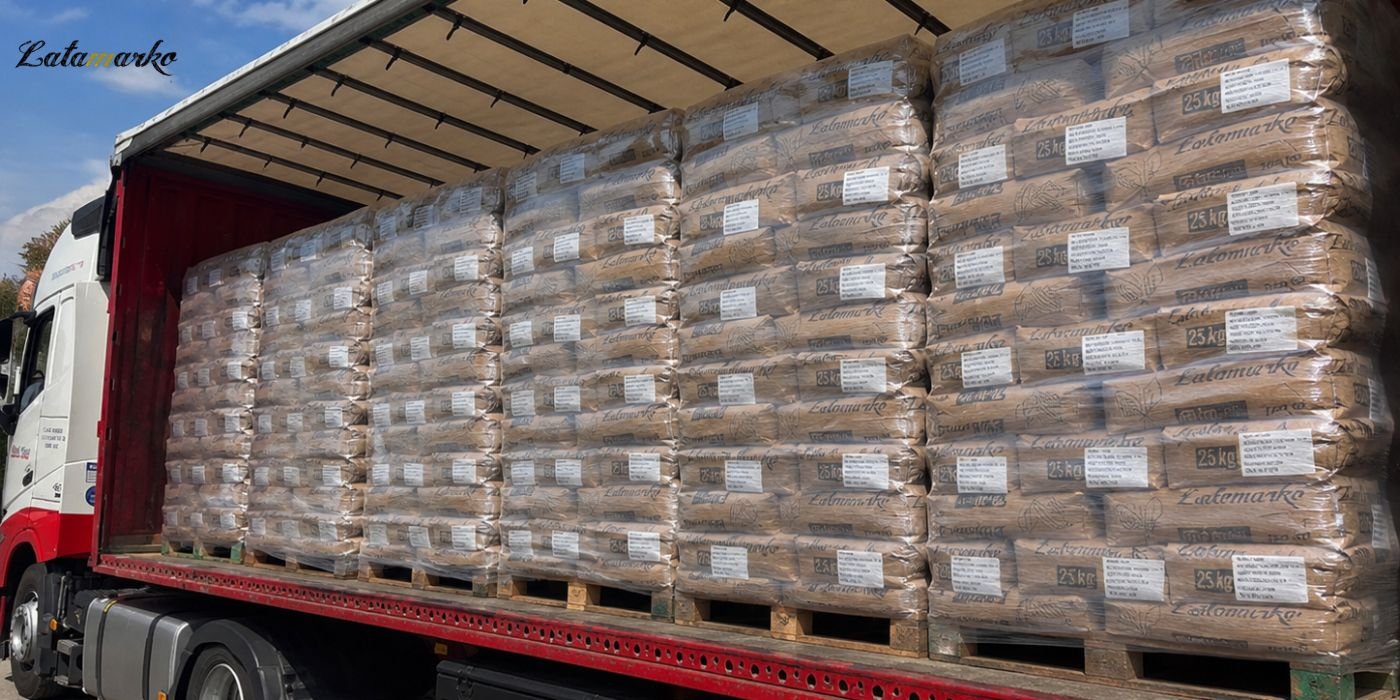
Inside a Cocoa Processing Factory
The Beginning of Cocoa Processing
The production of premium cocoa powder starts long before industrial processing begins. The quality of cocoa beans directly affects the final characteristics of cocoa powder, including:
- Flavor profile
- Color intensity
- Aroma
- Fat content
- Processing stability
- Final application performance
Careful raw material selection is one of the most important stages in professional cocoa manufacturing.
Industrial cocoa factories evaluate cocoa beans based on multiple quality parameters before processing begins. This helps ensure stable performance throughout production.
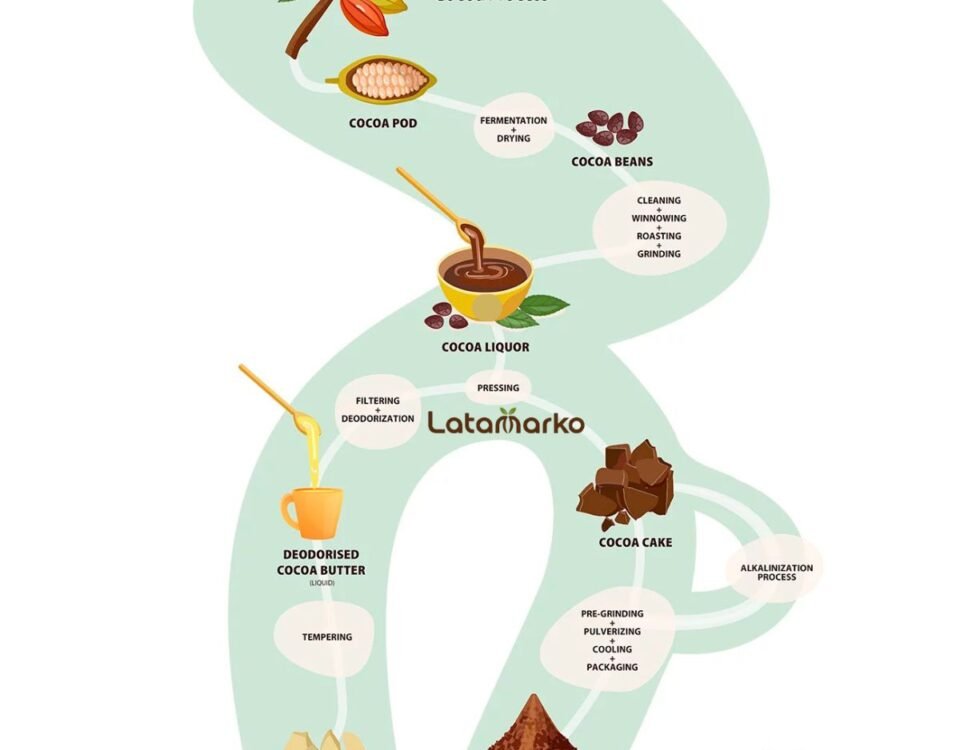
Step 1: Cleaning and Sorting Cocoa Beans
Once cocoa beans arrive at the processing facility, they first pass through cleaning and sorting systems.
This stage removes:
- Dust
- Stones
- Foreign materials
- Damaged beans
- Metal particles
Advanced industrial equipment is used to ensure high food safety standards and protect downstream machinery.
Proper sorting is essential because inconsistent raw materials can negatively affect roasting performance and final cocoa quality.
Professional cocoa factories use strict quality control systems during this stage to maintain stable production conditions.
Step 2: Roasting the Cocoa Beans
Roasting is one of the most important stages in cocoa processing. It significantly influences:
- Flavor development
- Aroma formation
- Moisture reduction
- Color characteristics
The roasting profile must be carefully controlled depending on the target cocoa powder application.
For example:
- Beverage applications may require different roasting characteristics compared to biscuit or chocolate applications.
- Dark cocoa powders require different process parameters than natural cocoa powders.
Industrial cocoa manufacturers carefully manage temperature, airflow, roasting duration, and bean characteristics to achieve stable and repeatable results.
At LATAMARKO, roasting processes are optimized to support industrial applications requiring consistent flavor and reliable production performance.
Step 3: Breaking and Winnowing
After roasting, cocoa beans are broken into smaller pieces. The outer shell is separated from the edible cocoa nib through a process called winnowing.
The shell removal stage is critical because excessive shell content may negatively affect:
- Flavor quality
- Texture
- Product purity
- Industrial functionality
High-efficiency winnowing systems help improve cocoa consistency and overall product quality.
The resulting cocoa nib becomes the primary raw material for cocoa liquor production.
Step 4: Grinding Cocoa Nibs into Cocoa Liquor
The cocoa nibs are then finely ground using industrial milling systems.
During grinding, the natural cocoa butter inside the nib melts due to friction and heat, creating a thick liquid known as cocoa liquor or cocoa mass.
Cocoa liquor forms the foundation for multiple cocoa products, including:
- Cocoa powder
- Cocoa butter
- Chocolate compounds
- Bakery fillings
- Confectionery applications
Particle size control during grinding is extremely important because it directly affects:
- Texture
- Mouthfeel
- Solubility
- Industrial processing performance
Professional cocoa manufacturers use advanced grinding systems to maintain stable particle distribution.
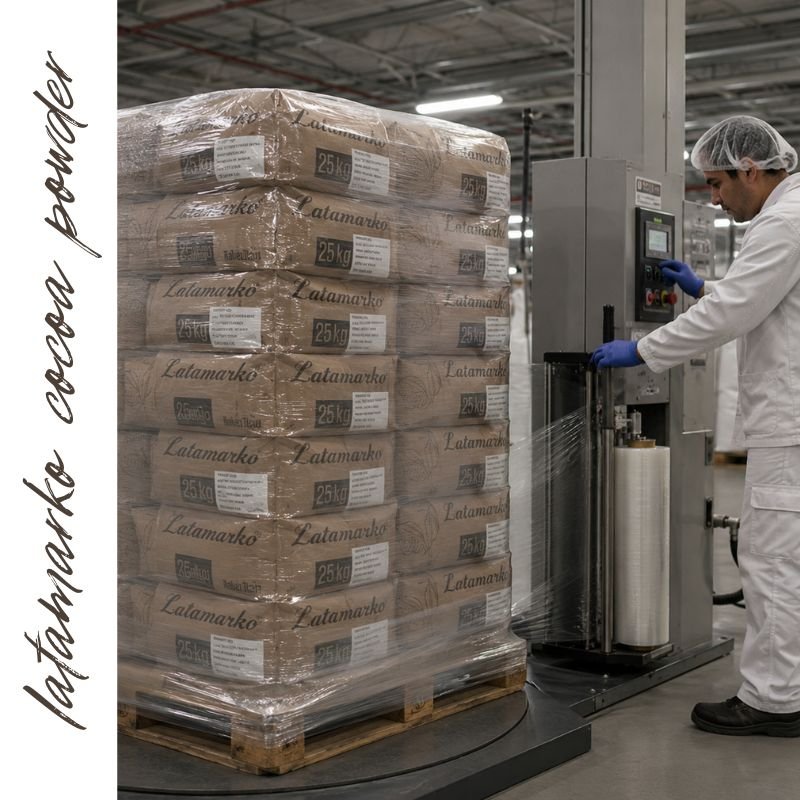
Inside a Cocoa Processing Factory
Step 5: Cocoa Butter Pressing
The cocoa liquor is transferred into hydraulic presses where cocoa butter is separated from cocoa solids.
This process creates two important cocoa ingredients:
Cocoa Butter
Widely used in chocolate, confectionery, bakery, cosmetics, and premium food products.
Cocoa Press Cake
The remaining compressed cocoa solids are known as cocoa cake, which later becomes cocoa powder.
The fat content remaining in the cocoa cake determines the final fat percentage of cocoa powder.
Different industrial applications may require different cocoa fat levels depending on formulation requirements.
Step 6: Alkalization Process (Optional)
For alkalized cocoa powder production, cocoa materials undergo a Dutch-processing stage.
Alkalization reduces natural acidity while improving:
- Color intensity
- Flavor smoothness
- Solubility
- Dispersion performance
This process is highly technical and requires strict parameter control.
Industrial manufacturers often prefer alkalized cocoa powders because they provide:
- Darker color
- Better process stability
- More balanced flavor
- Improved visual appearance
LATAMARKO produces a wide range of alkalized cocoa powders designed for industrial food manufacturers seeking stable and consistent cocoa performance.
Step 7: Pulverizing the Cocoa Cake
The cocoa press cake is broken down and finely milled into cocoa powder.
This stage determines important characteristics such as:
- Powder fineness
- Particle size distribution
- Flowability
- Dispersion behavior
Industrial buyers often require specific cocoa powder characteristics depending on their production systems.
For example:
- Beverage applications may require higher solubility.
- Bakery applications may prioritize color stability.
- Cream fillings may require smoother texture profiles.
Professional pulverizing systems help create stable industrial cocoa powders suitable for demanding food applications.
Step 8: Quality Control and Laboratory Testing
Quality control is one of the most critical stages inside a cocoa processing factory.
Professional manufacturers continuously test cocoa powders for:
- pH levels
- Fat content
- Moisture
- Color
- Particle size
- Microbiological safety
- Heavy metals
- Flow performance
Industrial food manufacturers rely heavily on stable cocoa specifications to maintain production consistency.
At LATAMARKO, strict quality control procedures help ensure that cocoa powders meet professional industrial requirements.
Step 9: Packaging and Industrial Storage
Once production and quality control are completed, cocoa powder is transferred to packaging systems.
Industrial cocoa powders are commonly packed in:
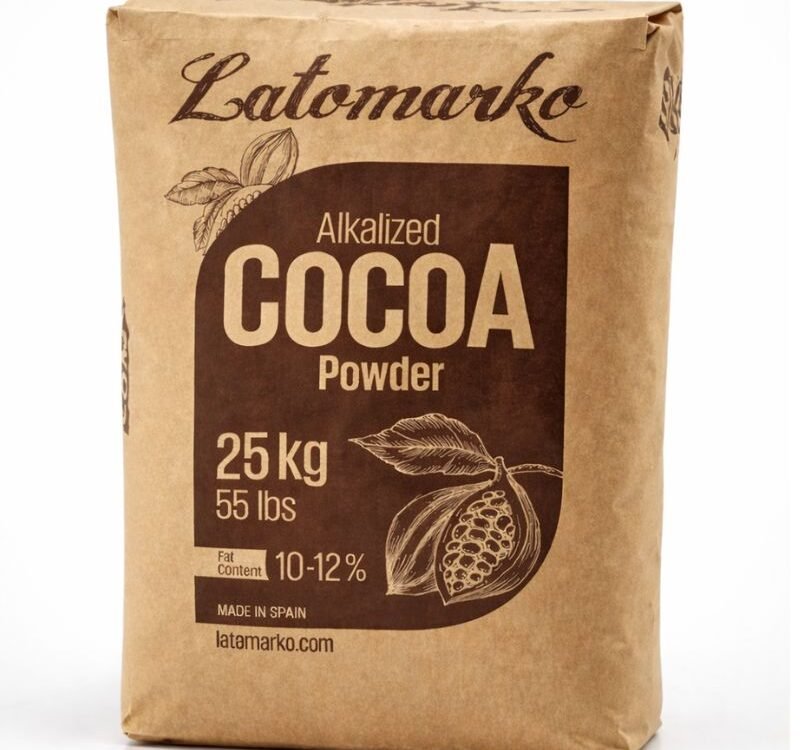
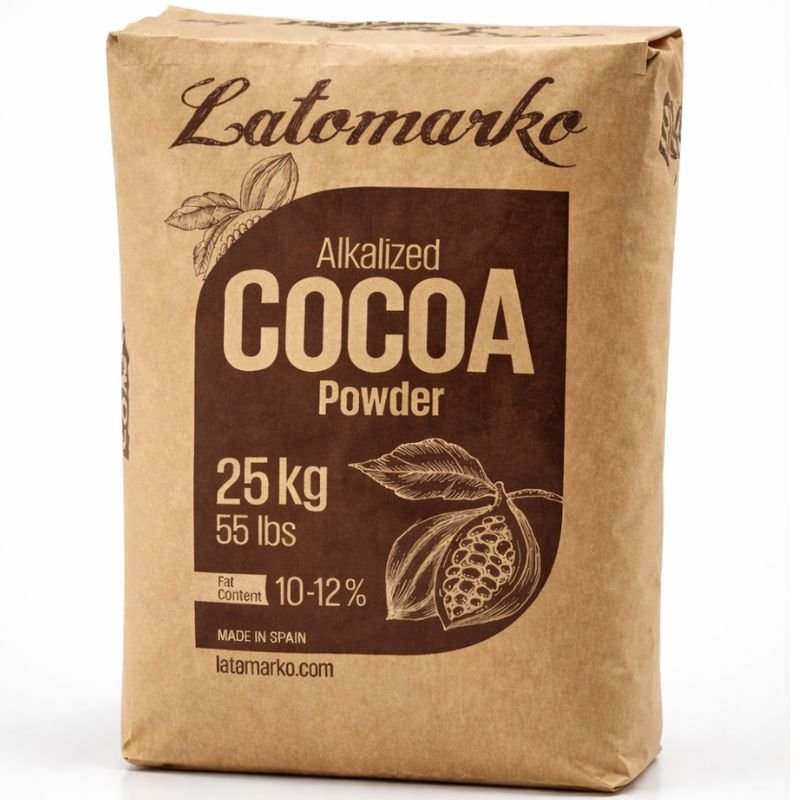
- 25 KG kraft bags
- Palletized industrial loads
- Export-ready packaging systems
Proper storage conditions are essential to maintain:
- Product freshness
- Flavor stability
- Moisture control
- Shelf life performance
Professional warehouse systems help preserve cocoa quality during international transportation and long-term storage.
Step 10: Export Logistics and International Supply
For industrial buyers, reliable logistics are just as important as product quality itself.
Professional cocoa manufacturers support customers through:
- Export documentation
- Container loading optimization
- International shipping coordination
- Stable lead times
- Supply continuity planning
Reliable logistics help industrial manufacturers avoid production disruptions and inventory shortages.
LATAMARKO supports international food manufacturers with professional export operations designed for large-scale industrial supply.
Why Manufacturing Expertise Matters
Many cocoa buyers focus only on pricing without fully understanding the importance of manufacturing quality.
However, industrial cocoa production requires:
- Technical expertise
- Advanced machinery
- Process control
- Quality standardization
- Food safety management
- Stable supply systems
Factories operating with professional manufacturing standards are far more capable of delivering stable cocoa performance across long-term industrial operations.
This becomes especially important for manufacturers producing large production volumes where consistency directly impacts profitability.
LATAMARKO Cocoa Manufacturing Philosophy
LATAMARKO focuses on producing industrial cocoa ingredients developed for professional food manufacturers.
Produced in Spain according to European manufacturing standards, LATAMARKO cocoa powders are designed for stable industrial applications in:
- Chocolate manufacturing
- Bakery production
- Biscuit and wafer industries
- Beverage manufacturing
- Dairy applications
- Confectionery production
The LATAMARKO product range includes:
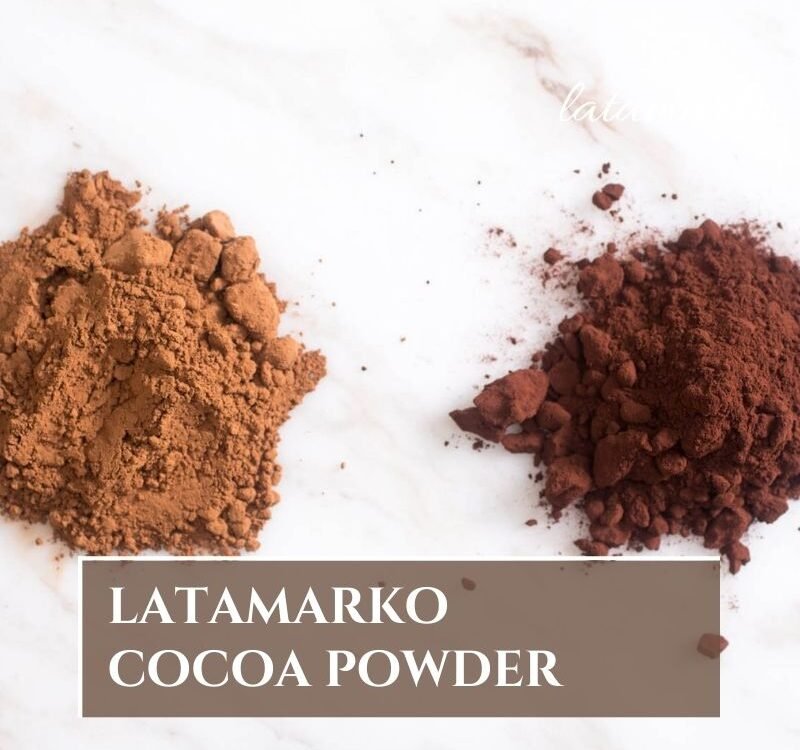
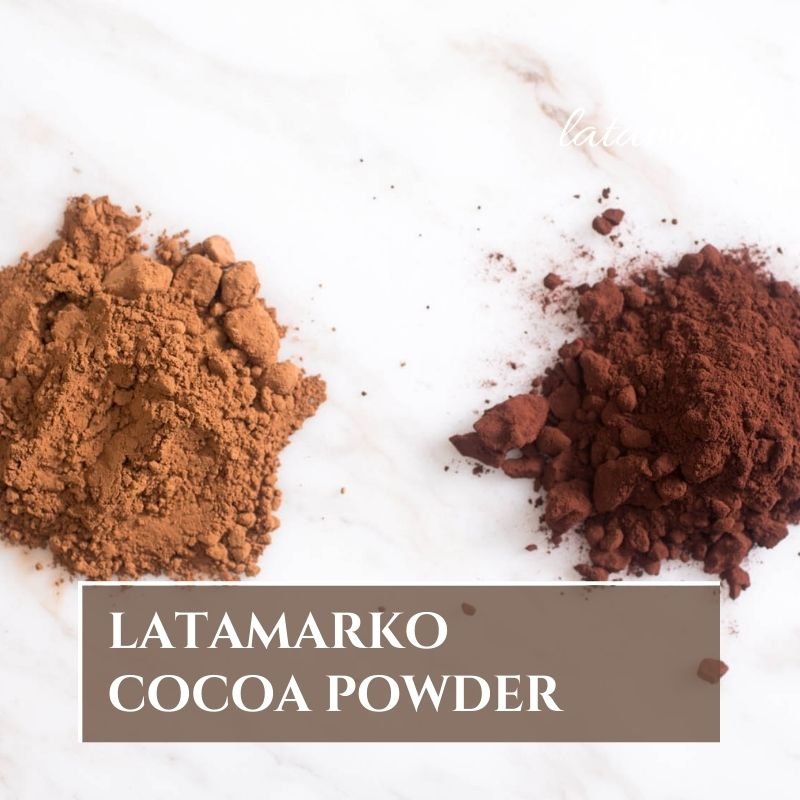
- Natural Cocoa Powder
- Alkalized Cocoa Powder
- Dark Brown Cocoa Powder
- Black Cocoa Powder
The production philosophy focuses on:
- Stable color consistency
- Controlled alkalization
- Reliable flavor profiles
- Industrial processing performance
- Batch-to-batch consistency
- Long-term supply reliability
The Future of Industrial Cocoa Manufacturing
As global food manufacturing standards continue evolving, industrial buyers increasingly prioritize quality consistency, technical reliability, and professional manufacturing capabilities.
Modern cocoa processing factories are becoming more advanced, automated, and quality-focused than ever before.
Manufacturers looking for long-term success understand that stable cocoa ingredients are essential for maintaining production efficiency, product quality, and consumer trust.
For industrial food manufacturers, choosing a professional cocoa producer is not simply about purchasing raw materials. It is about building a reliable long-term production partnership based on consistency, technical expertise, and manufacturing excellence.
Batch-to-Batch Consistency in Industrial Cocoa Powder Supply