How to Choose a Reliable Cocoa Powder Supplier
June 6, 2026
Cocoa Powder Specifications Explained for Buyers
June 15, 2026
Cocoa fat content is one of the most important technical parameters in industrial cocoa powder production. While many buyers initially focus on color or price, experienced food manufacturers understand that cocoa fat percentage directly affects product functionality, texture, processing behavior, flavor perception, and overall production performance.
In industrial food manufacturing, selecting the wrong cocoa fat level can create multiple operational challenges, including unstable viscosity, poor mouthfeel, weak flavor delivery, inconsistent texture, and formulation difficulties. This is why professional manufacturers carefully evaluate cocoa powder fat content before selecting ingredients for large-scale production.
Different industrial applications require different cocoa fat levels depending on the desired functionality and final product characteristics.
LATAMARKO produces premium cocoa powders in Spain according to European manufacturing standards, offering industrial cocoa solutions developed for stable processing performance across chocolate, bakery, dairy, beverage, biscuit, wafer, and confectionery industries.
Understanding how cocoa fat content affects industrial applications helps manufacturers choose the right cocoa powder for optimized production efficiency and final product quality.
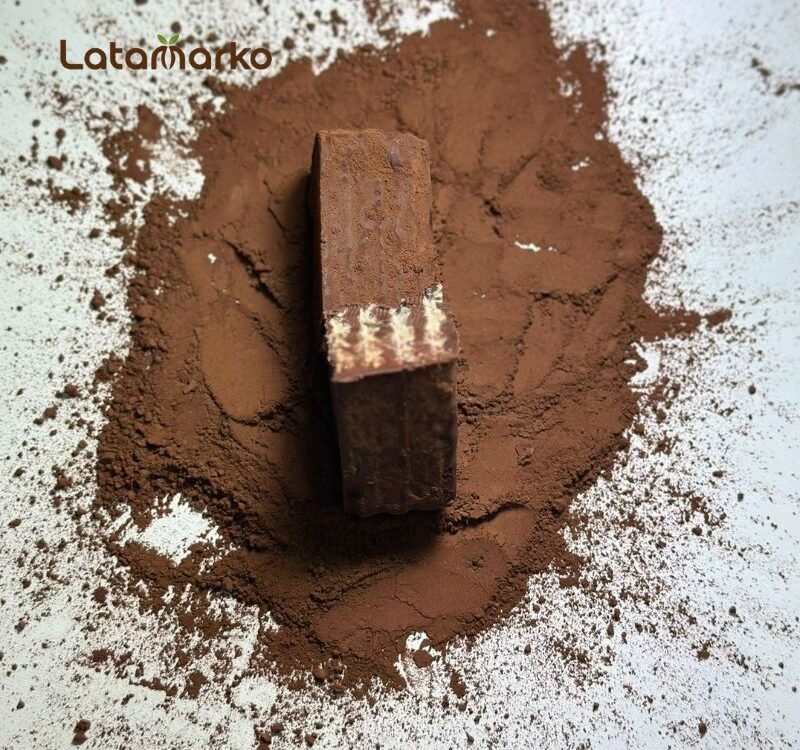
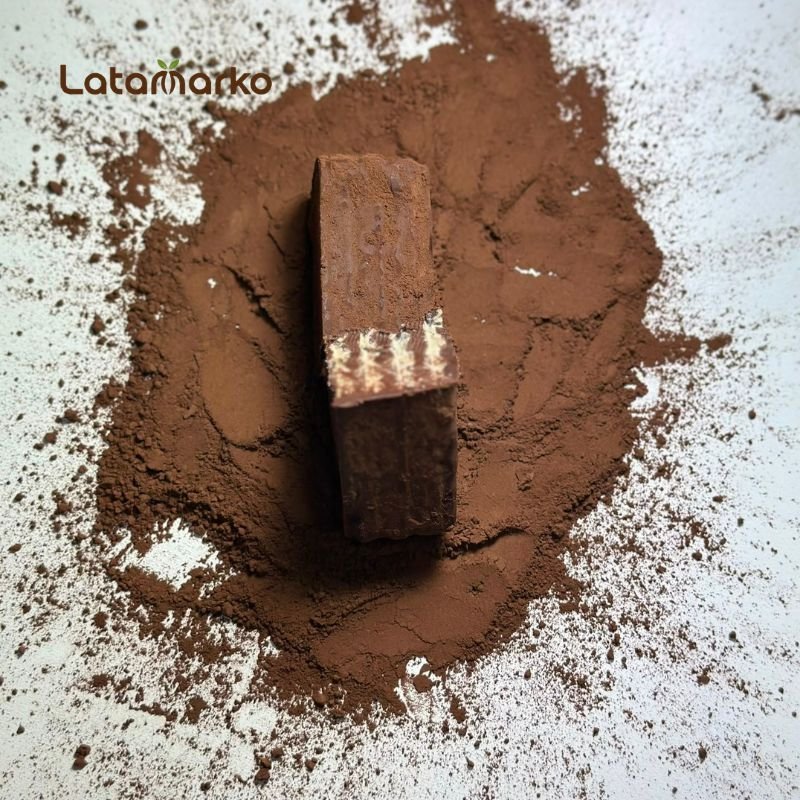
Effect of Cocoa Fat Content on Industrial Applications
What Is Cocoa Fat Content?
Cocoa fat content refers to the percentage of natural cocoa butter remaining inside cocoa powder after the pressing process.
During industrial cocoa processing, cocoa liquor is pressed to separate cocoa butter from cocoa solids. The amount of cocoa butter extracted determines the final fat level of the cocoa powder.
The most common industrial cocoa powder fat ranges include:
- Low fat cocoa powder
- Medium fat cocoa powder
- High fat cocoa powder
Each category offers different functional properties depending on the target food application.
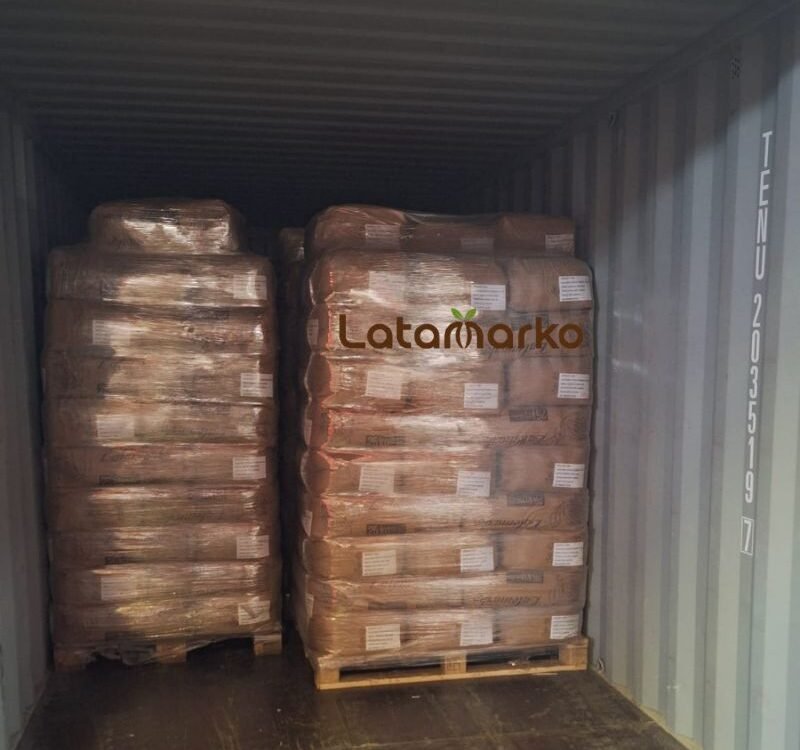
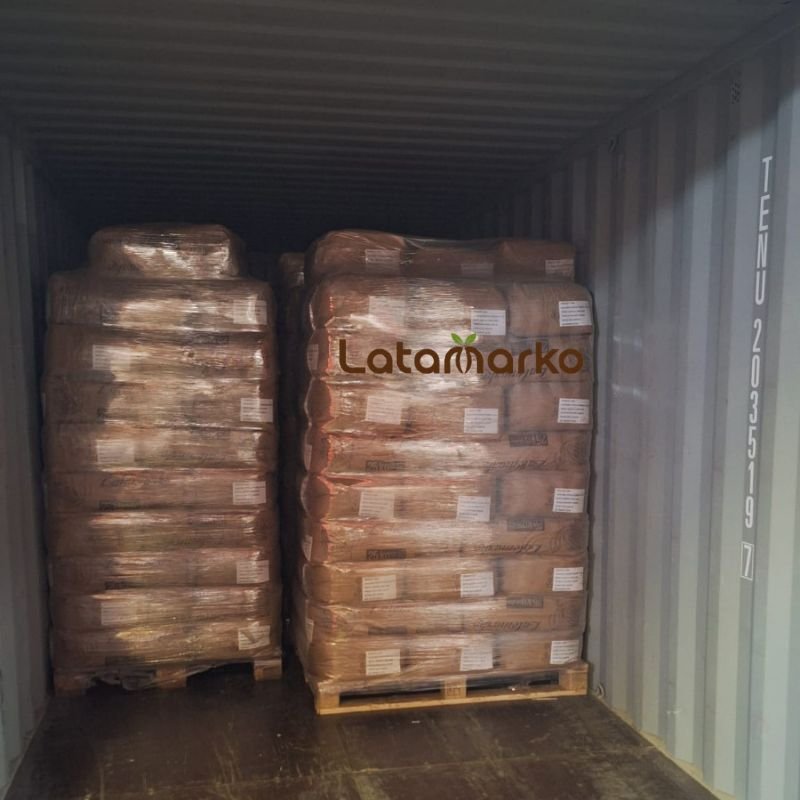
Batch-to-Batch Consistency in Industrial Cocoa Powder Supply
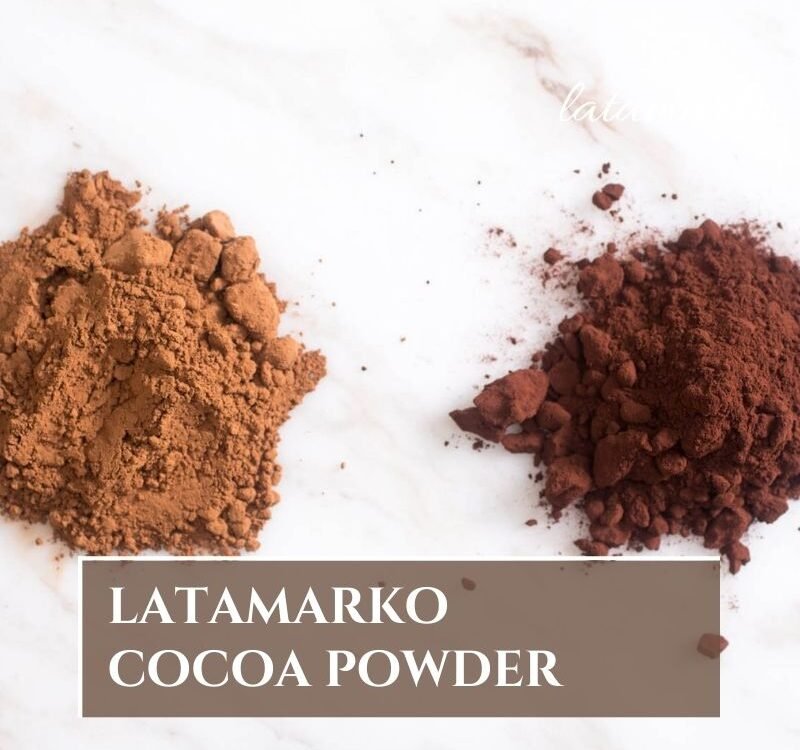
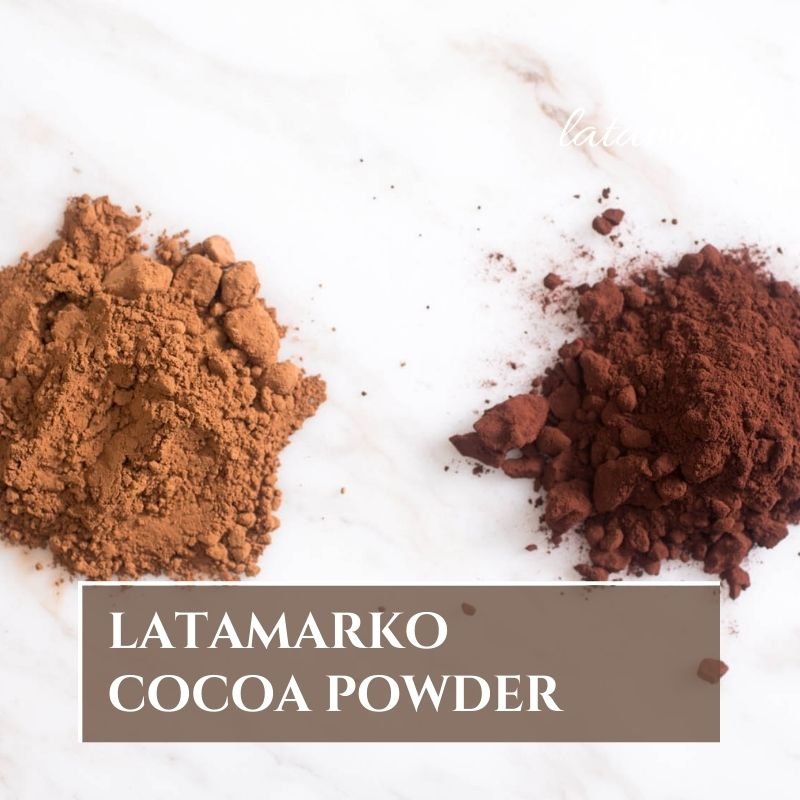
Latamarko Cocoa Powder Manufacturer
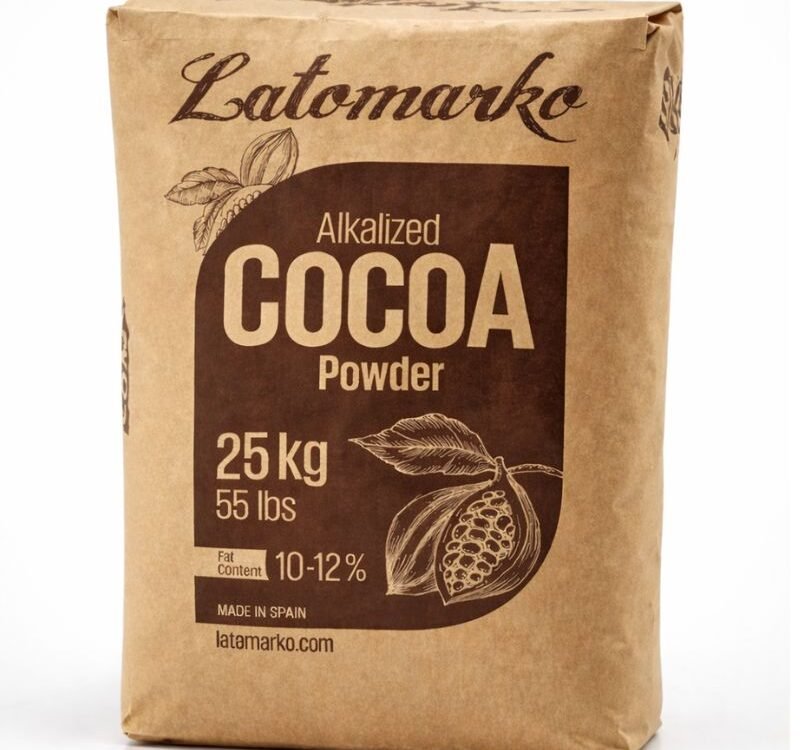
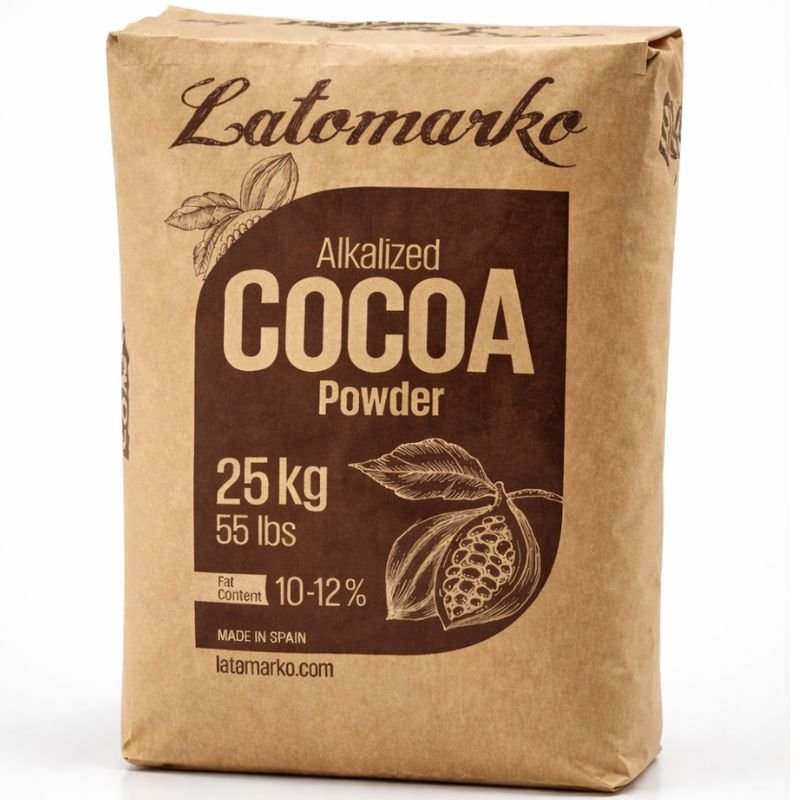
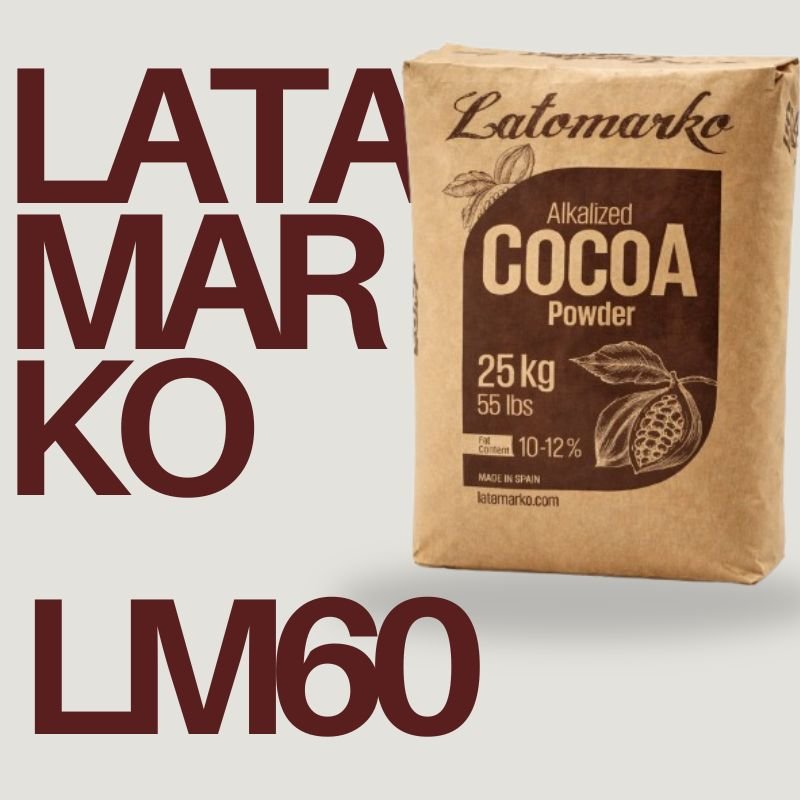
LATAMARKO LM60 – Premium Spanish-Origin Cocoa Powder
Why Cocoa Fat Content Matters in Industrial Manufacturing
Cocoa fat significantly influences multiple functional characteristics, including:
- Flavor intensity
- Mouthfeel
- Texture
- Viscosity
- Solubility
- Processing stability
- Product richness
- Heat performance
Industrial food manufacturers must carefully balance these factors when selecting cocoa powder.
Using inappropriate fat levels may negatively affect:
- Production efficiency
- Product appearance
- Consumer perception
- Formula stability
- Cost management
Professional cocoa suppliers help manufacturers select cocoa powders suitable for their industrial production systems.
Low Fat Cocoa Powder in Industrial Applications
Low fat cocoa powders generally contain lower levels of residual cocoa butter after pressing.
These cocoa powders are commonly selected for applications requiring:
- Stronger cocoa flavor concentration
- Lower viscosity
- Better powder flowability
- Cost efficiency
- Improved dry mixing performance
Low fat cocoa powders are widely used in:
- Bakery products
- Biscuit production
- Dry beverage mixes
- Instant cocoa powders
- Certain confectionery applications
Industrial manufacturers often prefer low fat cocoa powders when:
- Formula viscosity must remain controlled
- Powder handling efficiency is important
- Dry blending performance is prioritized
However, lower fat content may also reduce creaminess and mouthfeel in some applications.
Medium Fat Cocoa Powder Applications
Medium fat cocoa powders offer balanced industrial functionality.
They provide a compromise between:
- Flavor richness
- Process stability
- Texture performance
- Cost efficiency
Medium fat cocoa powders are commonly used across:
- Chocolate drinks
- Bakery creams
- Dairy products
- Wafer fillings
- Chocolate compounds
This category is often preferred for applications requiring balanced cocoa performance without excessive viscosity.
High Fat Cocoa Powder and Premium Applications
High fat cocoa powders contain higher levels of residual cocoa butter and are often used in premium food applications.
Higher cocoa fat levels generally improve:
- Creaminess
- Mouthfeel
- Flavor release
- Texture smoothness
- Sensory richness
Industrial manufacturers commonly use high fat cocoa powders in:
- Premium chocolate products
- Dairy desserts
- Ice cream
- Luxury bakery items
- High-end confectionery
However, higher fat content may also increase formulation complexity and viscosity levels.
Professional manufacturers must carefully optimize recipes when using high fat cocoa powders.
Cocoa Fat Content and Chocolate Manufacturing
Chocolate production is one of the industries most sensitive to cocoa fat functionality.
In chocolate applications, cocoa fat content affects:
- Flow behavior
- Texture
- Melting properties
- Mouthfeel
- Flavor delivery
Higher fat cocoa powders often create smoother chocolate systems with richer sensory performance.
However, excessive fat levels may require formula adjustments to maintain stable processing conditions.
Industrial chocolate manufacturers carefully evaluate cocoa fat levels depending on:
- Product category
- Processing equipment
- Desired texture
- Consumer positioning
Cocoa Fat Content in Bakery Applications
Bakery manufacturers often prioritize process stability and color performance over extremely high fat levels.
In bakery systems, cocoa fat influences:
- Batter viscosity
- Moisture retention
- Texture softness
- Flavor perception
- Baking stability
Low and medium fat cocoa powders are commonly used in:
- Cakes
- Brownies
- Muffins
- Cookies
- Biscuits
These cocoa powders often provide better production efficiency while maintaining stable industrial performance.
Cocoa Fat and Beverage Functionality
Beverage manufacturers require cocoa powders with strong dispersion and suspension performance.
Fat content directly affects:
- Solubility
- Sedimentation
- Mixing behavior
- Surface oil formation
- Mouthfeel
Lower fat cocoa powders often provide better dispersion for instant beverages.
However, medium fat cocoa powders may improve sensory richness in premium beverage systems.
Industrial beverage producers carefully balance functionality and flavor depending on the target market.
Cocoa Fat Content in Dairy Applications
Dairy products require careful control of cocoa functionality.
Fat content affects:
- Creaminess
- Flavor release
- Stability
- Texture integration
- Sensory perception
Industrial dairy manufacturers use different cocoa fat levels depending on applications such as:
- Chocolate milk
- Ice cream
- Dairy desserts
- Protein beverages
- Yogurt systems
Premium dairy products often benefit from higher cocoa fat levels due to improved mouthfeel and flavor richness.
The Relationship Between Cocoa Fat and Flavor
Cocoa butter plays an important role in flavor perception.
Higher cocoa fat levels often create:
- Smoother flavor release
- Reduced bitterness
- More balanced sensory performance
- Improved chocolate perception
Low fat cocoa powders may sometimes produce stronger or sharper cocoa notes because flavor compounds are more concentrated.
Selecting the correct fat level depends heavily on the desired final product profile.
Cocoa Fat Content and Industrial Viscosity
Viscosity control is extremely important in industrial food production.
Cocoa fat levels directly influence:
- Product flow
- Pumpability
- Mixing behavior
- Processing stability
High fat cocoa powders may increase viscosity in certain applications, especially in creams, fillings, and chocolate systems.
Industrial manufacturers must optimize formulations carefully to maintain stable production performance.
Cost Considerations in Cocoa Fat Selection
Cocoa butter is one of the most valuable cocoa ingredients.
Higher fat cocoa powders generally have higher production costs because they contain more residual cocoa butter.
Manufacturers must balance:
- Product quality
- Functional performance
- Consumer expectations
- Production efficiency
- Cost management
Professional cocoa suppliers help industrial manufacturers select the most suitable cocoa powder for their technical and commercial requirements.
Why Stable Cocoa Fat Content Is Critical
Consistency is essential in industrial food manufacturing.
Even small fat variations between cocoa batches may affect:
- Product texture
- Processing behavior
- Flavor balance
- Production stability
Professional cocoa manufacturers apply strict process controls to maintain stable cocoa fat specifications.
Reliable fat consistency helps industrial manufacturers avoid:
- Formula adjustments
- Production instability
- Product variability
- Consumer complaints
LATAMARKO Cocoa Powder Solutions for Industrial Applications
LATAMARKO produces premium cocoa powders developed for demanding industrial food applications.
Produced in Spain according to European manufacturing standards, LATAMARKO cocoa powders are designed to provide stable functionality across different fat content requirements.
The LATAMARKO product portfolio includes:
- Natural Cocoa Powder
- Alkalized Cocoa Powder
- Dark Brown Cocoa Powder
- Black Cocoa Powder
These products are widely used in:
- Chocolate manufacturing
- Bakery production
- Dairy applications
- Beverage systems
- Biscuit and wafer industries
- Confectionery manufacturing
LATAMARKO focuses on:
- Stable fat consistency
- Reliable industrial functionality
- Controlled processing performance
- Consistent flavor profiles
- Batch-to-batch stability
- Long-term supply reliability
Choosing the Right Cocoa Fat Content for Industrial Production
Selecting the correct cocoa fat level depends on several factors including:
- Product category
- Texture requirements
- Flavor expectations
- Processing systems
- Cost targets
- Production stability
Industrial manufacturers should carefully evaluate cocoa functionality rather than focusing only on pricing.
The right cocoa fat level can significantly improve:
- Product quality
- Consumer satisfaction
- Manufacturing efficiency
- Formula stability
- Long-term operational performance
The Future of Functional Cocoa Ingredients
As food manufacturing standards continue evolving, industrial buyers increasingly prioritize functional cocoa ingredients designed for specific production environments.
Modern cocoa production is becoming more application-focused, with greater attention to:
- Functional optimization
- Texture engineering
- Solubility control
- Sensory performance
- Stable industrial processing
For industrial manufacturers, understanding cocoa fat functionality is essential for selecting cocoa powders capable of supporting high-quality, large-scale food production.