Premium grade cocoa powder for top-tier industrial manufacturers
May 18, 2026
How to Evaluate a Cocoa Powder Supplier Technically
May 18, 2026
Modern cocoa processing is one of the most technically advanced sectors within the food ingredient industry. Producing high-quality cocoa powder at industrial scale requires far more than raw cocoa beans and simple grinding systems. Today’s industrial cocoa factories rely on fully integrated processing lines designed to ensure stable quality, controlled processing conditions, food safety, and consistent industrial performance.
For manufacturers operating in chocolate, bakery, dairy, beverage, biscuit, wafer, and confectionery industries, cocoa quality directly impacts production stability and final product performance. This is why the machinery and technologies used inside a cocoa processing facility are critically important.
Professional cocoa processing lines are carefully designed to manage every stage of production with precision — from raw bean cleaning to final cocoa powder packaging.
LATAMARKO specializes in premium cocoa powder solutions produced in Spain according to European manufacturing standards. The production philosophy focuses on stable industrial performance, controlled processing systems, and reliable cocoa quality for large-scale food manufacturers worldwide.
Understanding cocoa processing equipment helps industrial buyers better evaluate cocoa manufacturers and understand how professional production systems contribute to stable product quality.
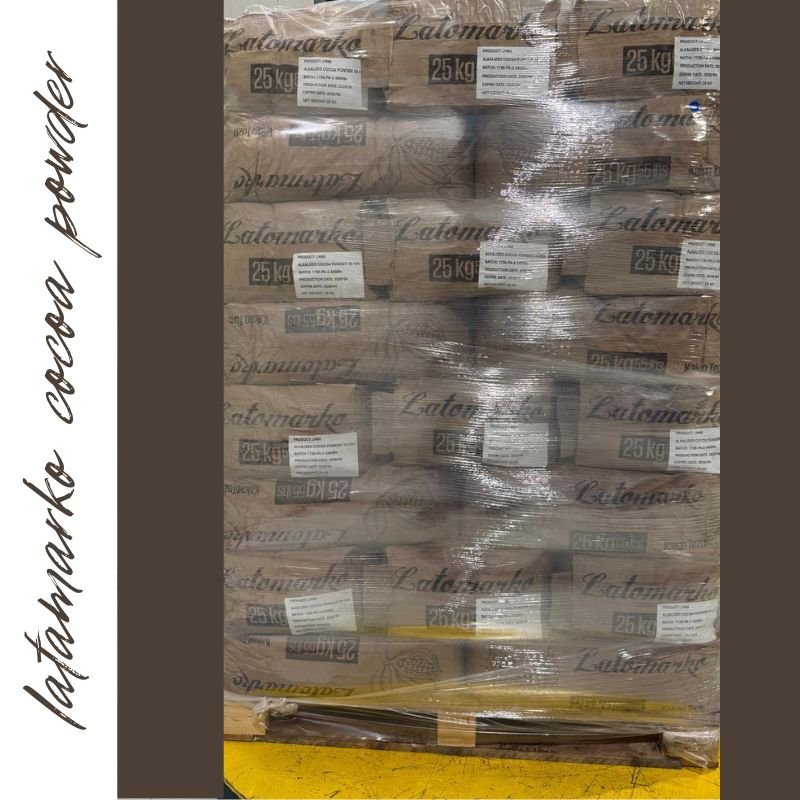
Cocoa Processing Line Equipment Explained
The Importance of Industrial Cocoa Processing Equipment
Industrial cocoa production requires advanced machinery capable of maintaining:
- Consistent processing conditions
- Stable product quality
- Food safety standards
- High production efficiency
- Controlled particle size
- Reliable alkalization performance
- Batch-to-batch consistency
Without professional equipment and process control, cocoa powder quality can vary significantly between production batches.
Modern industrial cocoa processing lines are designed to reduce production variability while improving operational stability.
Batch-to-Batch Consistency in Industrial Cocoa Powder Supply
Latamarko Cocoa Powder Manufacturer
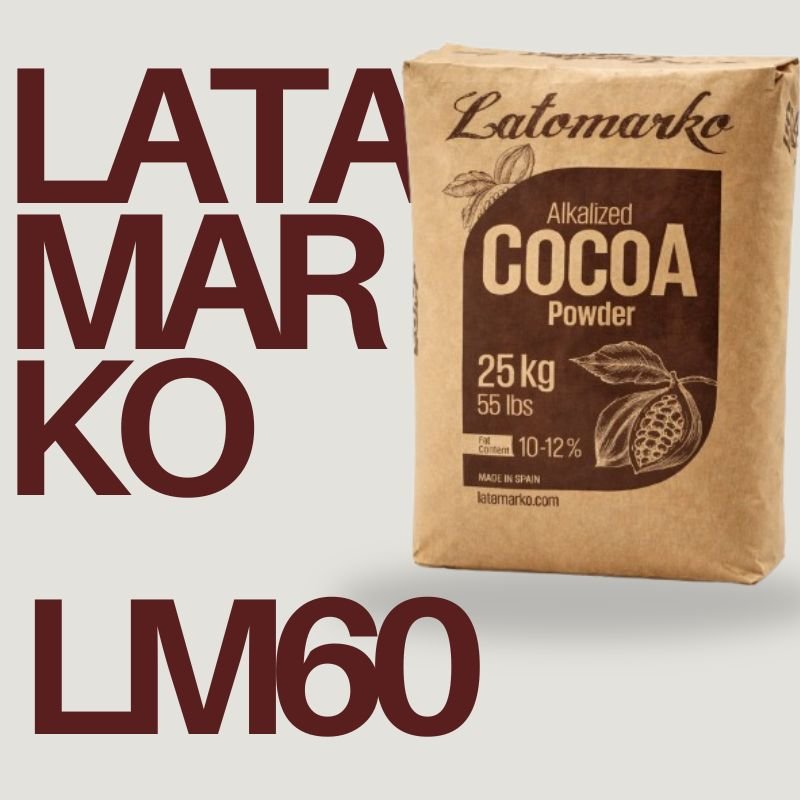
LATAMARKO LM60 – Premium Spanish-Origin Cocoa Powder
Cocoa Bean Cleaning Equipment
The first stage of industrial cocoa processing begins with raw bean cleaning systems.
Raw cocoa beans may contain:
- Dust
- Stones
- Foreign materials
- Metal particles
- Damaged beans
- Fiber contamination
Industrial cleaning equipment typically includes:
- Vibrating sieves
- Air separators
- Magnetic separators
- Destoners
- Optical sorting systems
These systems help improve food safety while protecting downstream processing machinery.
High-quality cleaning equipment is essential for maintaining raw material purity and production consistency.
Cocoa Bean Roasting Systems
Roasting is one of the most important processing stages in cocoa manufacturing.
Industrial roasting equipment is designed to carefully control:
- Temperature
- Air circulation
- Humidity
- Bean movement
- Roasting duration
Professional roasting systems directly influence:
- Flavor development
- Aroma profile
- Color intensity
- Moisture reduction
- Functional cocoa characteristics
Different cocoa powder applications require different roasting profiles.
For example:
- Beverage cocoa powders may require smoother flavor development.
- Dark cocoa powders may require stronger roasting conditions.
- Natural cocoa powders require more controlled processing to preserve their original cocoa profile.
Advanced roasting systems help maintain stable industrial cocoa quality across large production volumes.
Breaking and Winnowing Equipment
After roasting, cocoa beans pass through breaking and winnowing systems.
Breaking Machines
These machines crush roasted cocoa beans into smaller particles.
Winnowing Systems
Winnowing equipment separates the cocoa shell from the cocoa nib.
This stage is extremely important because shell contamination can negatively affect:
- Product purity
- Texture
- Flavor quality
- Processing performance
Modern industrial winnowing systems use advanced airflow separation technologies to improve cocoa nib quality.
High-efficiency shell removal contributes significantly to final cocoa powder consistency.
Cocoa Grinding Equipment
The cocoa nibs are transferred into grinding systems where they are processed into cocoa liquor.
Industrial grinding equipment must carefully manage:
- Particle size
- Heat generation
- Grinding pressure
- Product flow
During grinding, natural cocoa butter melts and creates a liquid cocoa mass known as cocoa liquor.
Professional grinding systems help achieve:
- Smooth texture
- Controlled particle distribution
- Stable industrial functionality
- Improved mouthfeel
Particle size consistency is especially important for industrial applications such as beverages, chocolate fillings, bakery creams, and dairy products.
Cocoa Liquor Storage and Handling Systems
Once cocoa liquor is produced, it must be stored and transferred under controlled conditions.
Industrial cocoa liquor systems include:
- Heated storage tanks
- Agitation systems
- Temperature control units
- Automated transfer pumps
Temperature stability is critical because cocoa liquor solidifies at lower temperatures.
Professional storage systems help maintain stable process conditions throughout production.
Hydraulic Cocoa Butter Presses
One of the most important pieces of cocoa processing equipment is the hydraulic cocoa press.
This machinery separates cocoa butter from cocoa solids.
Industrial cocoa presses operate under extremely high pressure to extract cocoa butter efficiently.
The pressing process creates two key products:
Cocoa Butter
Used in chocolate, confectionery, cosmetics, and premium food products.
Cocoa Press Cake
The remaining compressed cocoa solids that later become cocoa powder.
The performance of hydraulic presses directly affects:
- Cocoa powder fat content
- Production efficiency
- Texture characteristics
- Product consistency
Different industrial applications require different cocoa fat levels depending on formulation requirements.
-

- Cocoa Processing Line Equipment Explained
-

- Cocoa Processing Line Equipment Explained
-

- Cocoa Processing Line Equipment Explained
-

- Cocoa Processing Line Equipment Explained
-

- Cocoa Processing Line Equipment Explained
-

- Cocoa Processing Line Equipment Explained
-

- Cocoa Processing Line Equipment Explained
-
- Cocoa Processing Line Equipment Explained
-
- Benefits of Buying Cocoa Powder
Alkalization Systems for Dutch Cocoa Powder
Alkalization systems are used to produce Dutch-processed cocoa powders.
This equipment controls:
- pH adjustment
- Chemical reactions
- Moisture levels
- Color development
- Flavor smoothness
Industrial alkalization systems require highly controlled process conditions because small variations can significantly affect final cocoa quality.
Professional alkalization equipment helps produce cocoa powders with:
- Darker color
- Better solubility
- Improved dispersion
- Reduced acidity
- Smoother flavor profile
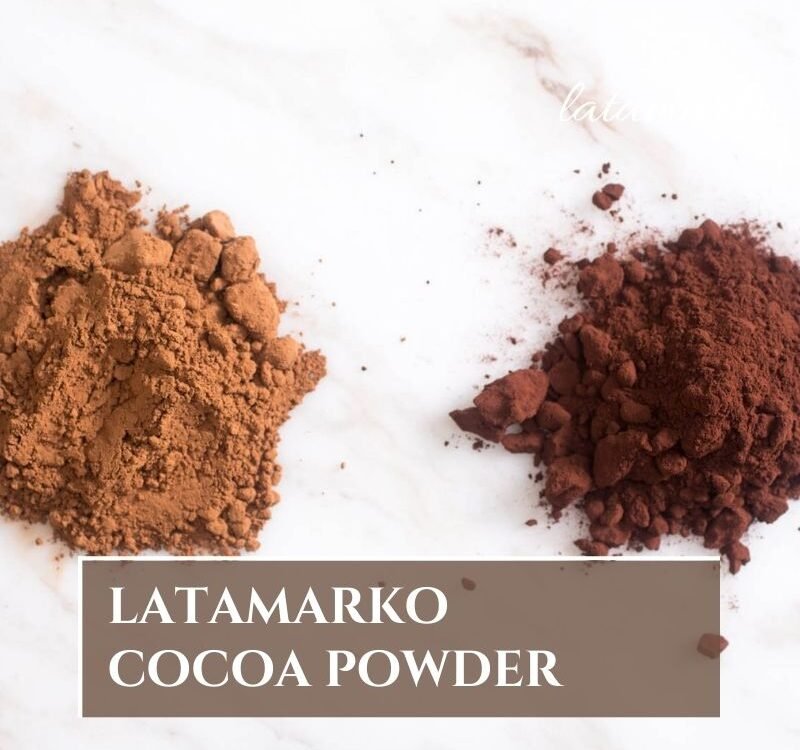
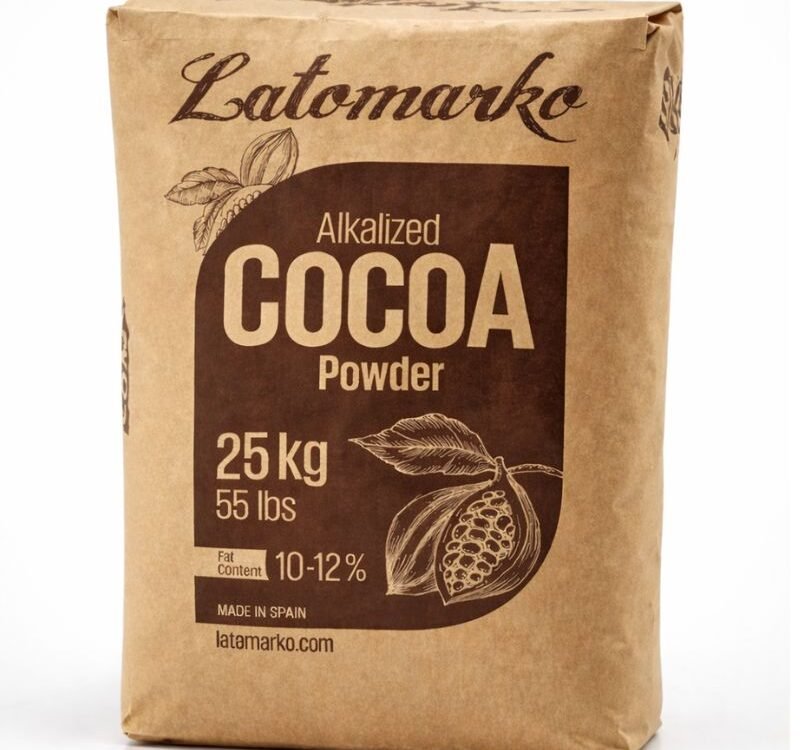
LATAMARKO produces a wide range of alkalized cocoa powders developed for industrial manufacturers seeking stable processing performance and premium cocoa quality.
Cocoa Pulverizing Equipment
After pressing, cocoa cake is pulverized into fine cocoa powder using industrial milling systems.
Pulverizing equipment controls:
- Powder fineness
- Particle size distribution
- Flowability
- Solubility characteristics
Different industrial applications require different cocoa powder specifications.
For example:
- Beverage applications may require finer powder and higher solubility.
- Bakery applications may prioritize color strength.
- Cream fillings may require smoother texture profiles.
Advanced pulverizing systems help maintain stable cocoa powder performance across industrial production environments.
Cocoa Powder Cooling Systems
Freshly milled cocoa powder often requires controlled cooling before packaging.
Cooling systems help:
- Prevent moisture condensation
- Stabilize product temperature
- Improve storage performance
- Maintain powder flowability
Proper cooling is important for preserving cocoa powder quality during storage and transportation.
Industrial Sieving and Classification Equipment
After pulverizing, cocoa powder passes through industrial sieving systems.
These systems help:
- Remove oversized particles
- Standardize powder texture
- Improve product consistency
- Achieve target mesh specifications
Industrial food manufacturers often require specific particle size ranges depending on their applications.
Professional sieving systems help ensure stable industrial cocoa quality.
Laboratory and Quality Control Equipment
Quality control is one of the most critical aspects of industrial cocoa processing.
Professional cocoa factories use laboratory systems to continuously monitor:
- pH levels
- Fat content
- Moisture
- Color values
- Particle size
- Microbiological safety
- Heavy metals
- Functional performance
Laboratory testing helps ensure batch-to-batch consistency and stable industrial functionality.
LATAMARKO applies strict quality control procedures throughout production to support industrial food manufacturers requiring reliable cocoa ingredients.
Automated Packaging Systems
Once cocoa powder passes final quality approval, it enters automated packaging systems.
Industrial packaging equipment typically handles:
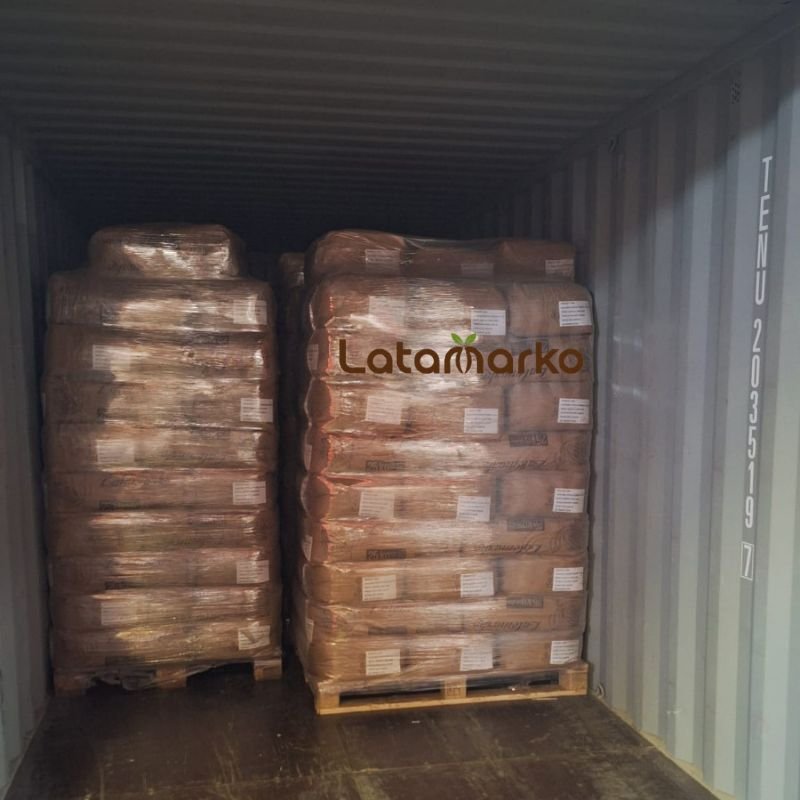
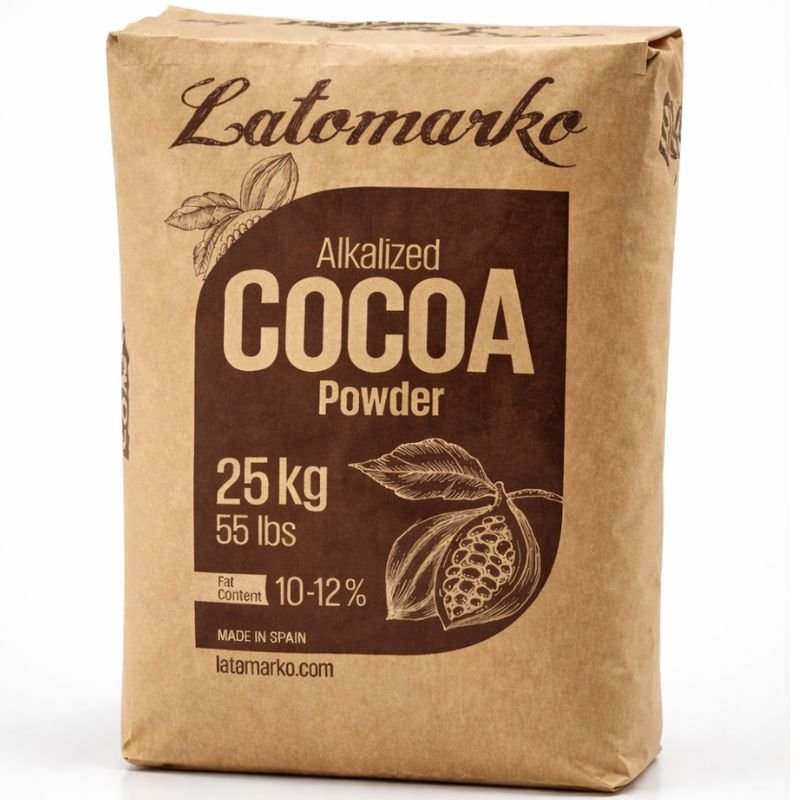
- 25 KG kraft bags
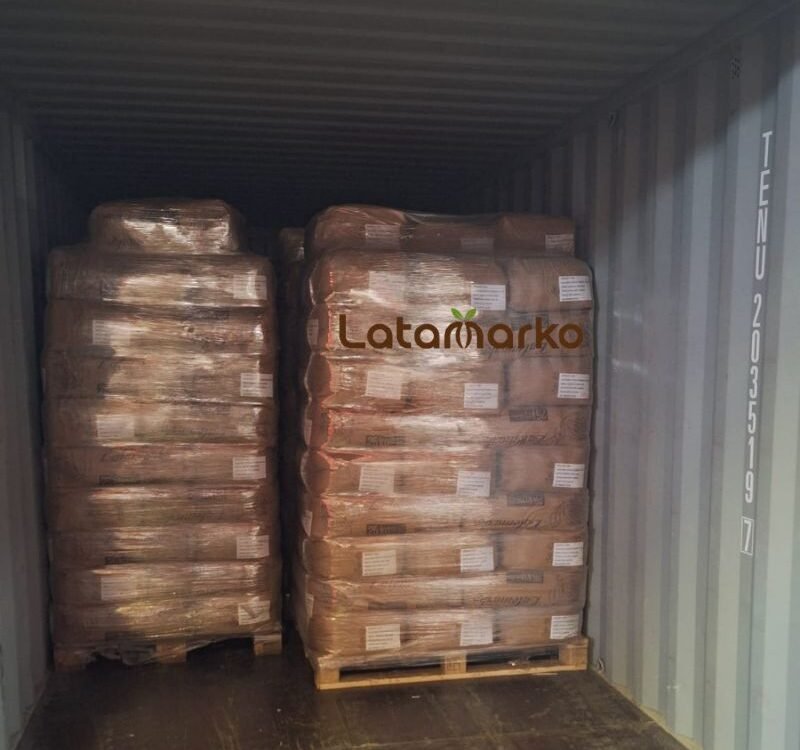
- Palletized loading
- Weight control
- Sealing systems
- Batch coding
- Export packaging preparation
Professional packaging systems help maintain product integrity during storage and international transportation.
Industrial Automation and Process Control
Modern cocoa factories increasingly rely on automation systems to improve production consistency.
Industrial automation helps control:
- Temperature
- Pressure
- Product flow
- Processing times
- Recipe standardization
- Quality stability
Automated production systems reduce human error and improve manufacturing reliability.
This is especially important for industrial food manufacturers requiring highly stable cocoa performance across continuous production operations.
Why Professional Cocoa Equipment Matters for Industrial Buyers
The quality of cocoa processing equipment directly affects final cocoa powder performance.
Industrial food manufacturers increasingly evaluate cocoa suppliers based on:
- Production capabilities
- Processing technologies
- Quality control systems
- Manufacturing consistency
- Food safety standards
Factories using advanced industrial processing systems are better positioned to provide stable cocoa ingredients suitable for demanding food applications.
LATAMARKO Industrial Cocoa Manufacturing Philosophy
LATAMARKO focuses on producing premium cocoa powder solutions for professional industrial manufacturers.
Produced in Spain according to European manufacturing standards, LATAMARKO cocoa powders are developed for:
- Chocolate manufacturing
- Bakery production
- Dairy applications
- Beverage production
- Biscuit and wafer industries
- Confectionery manufacturing
The product range includes:
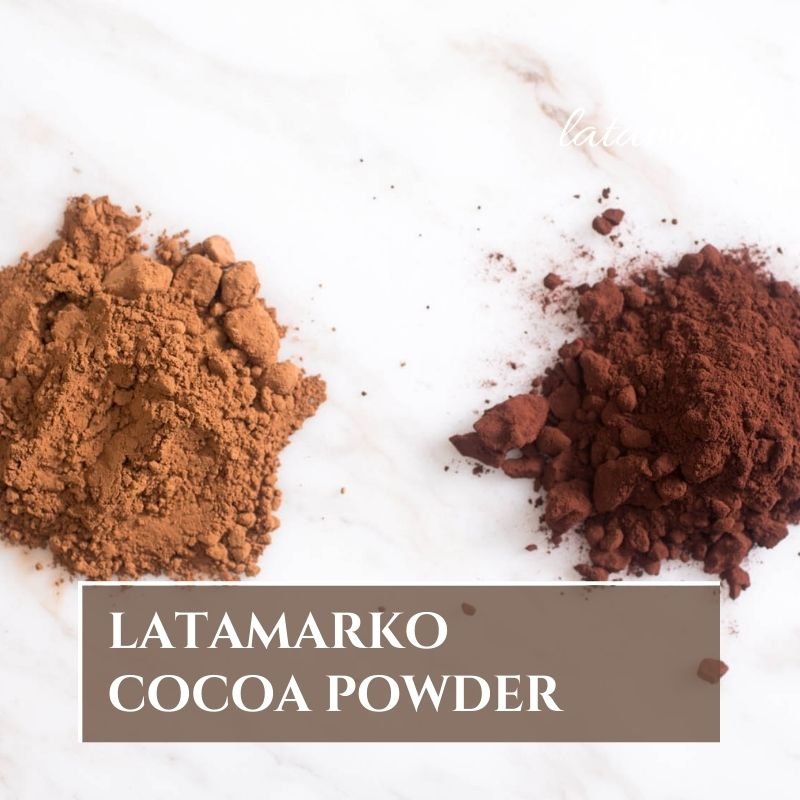
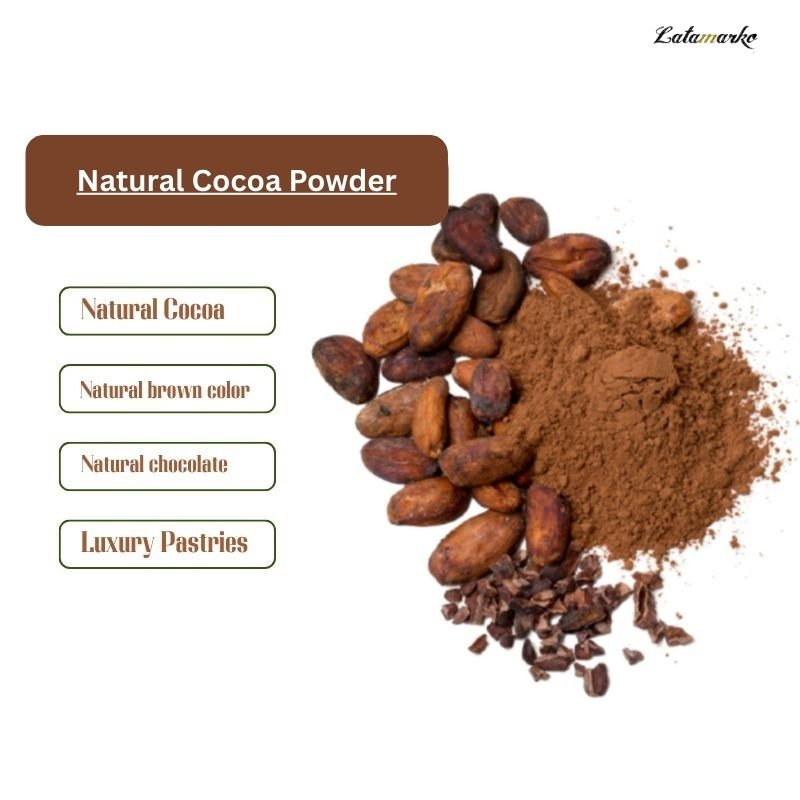
- Natural Cocoa Powder
- Alkalized Cocoa Powder
- Dark Brown Cocoa Powder
- Black Cocoa Powder
LATAMARKO production systems prioritize:
- Stable color consistency
- Controlled alkalization
- Reliable industrial functionality
- Consistent flavor profiles
- Batch-to-batch stability
- Long-term supply reliability
The Future of Cocoa Processing Technology
Industrial cocoa manufacturing continues evolving toward more advanced automation, stronger quality control systems, and higher production efficiency.
Global food manufacturers increasingly demand stable, safe, and technically reliable cocoa ingredients capable of supporting large-scale industrial production.
As food industry standards continue rising, advanced cocoa processing equipment will play an even more important role in maintaining product consistency, operational efficiency, and premium cocoa quality.