How to Evaluate a Cocoa Powder Supplier Technically
May 18, 2026
European Cocoa Powder for Industrial Food Manufacturing
May 20, 2026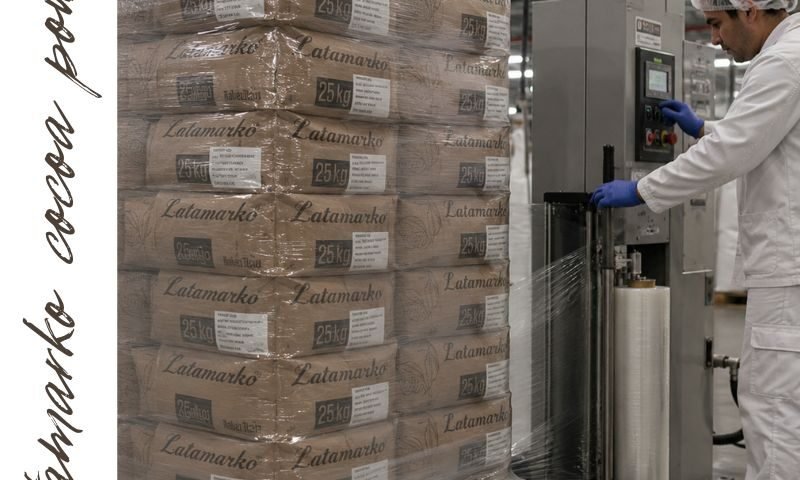
Cocoa powder is one of the most important ingredients in chocolate manufacturing. It directly influences flavor intensity, color development, viscosity, texture, aroma, processing stability, and overall product quality. In industrial chocolate production, selecting the right cocoa powder is not simply a purchasing decision — it is a technical process that affects the entire manufacturing operation.
Modern chocolate manufacturers require cocoa powders capable of delivering stable functionality across continuous industrial production lines. Even small variations in cocoa characteristics can create major challenges such as inconsistent color, unstable viscosity, flavor imbalance, processing difficulties, and product rejection.
For this reason, professional chocolate manufacturers carefully evaluate cocoa powder specifications before approving industrial suppliers.
LATAMARKO produces premium cocoa powders in Spain according to European manufacturing standards, supplying industrial cocoa solutions developed specifically for chocolate manufacturers seeking stable processing performance, reliable color consistency, and professional product quality.
This technical guide explains the most important factors chocolate manufacturers should consider when selecting cocoa powder for industrial production.
Cocoa Powder for Chocolate Manufacturing
Batch-to-Batch Consistency in Industrial Cocoa Powder Supply
Latamarko Cocoa Powder Manufacturer
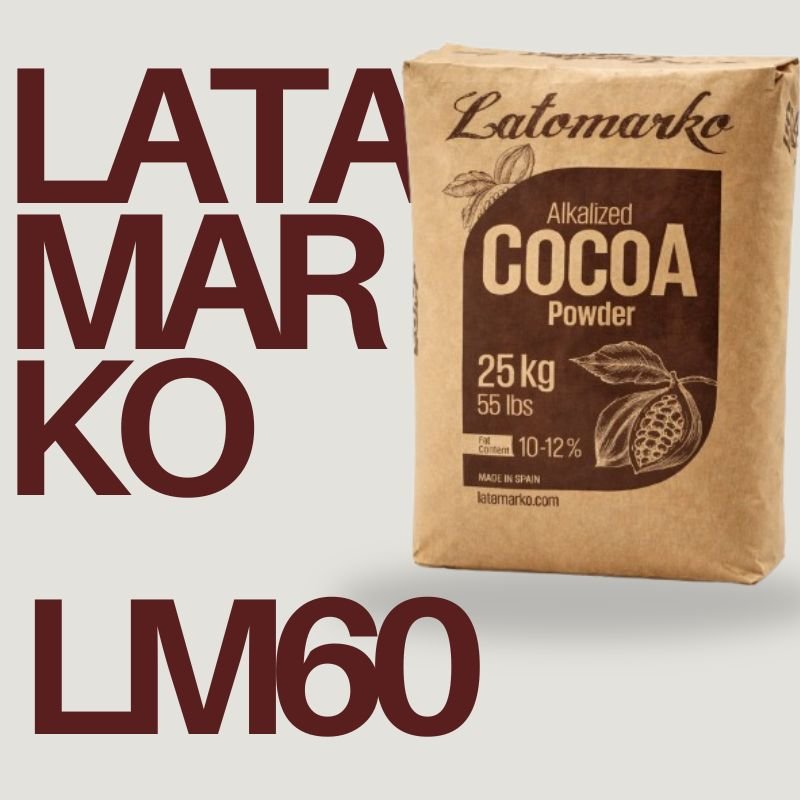
LATAMARKO LM60 – Premium Spanish-Origin Cocoa Powder
Why Cocoa Powder Matters in Chocolate Manufacturing
Cocoa powder plays a critical role in determining the final characteristics of chocolate products.
It affects:
- Chocolate flavor
- Color intensity
- Mouthfeel
- Texture
- Viscosity
- Aroma
- Processing stability
- Product appearance
In industrial chocolate manufacturing, cocoa powder must perform consistently across every production batch.
Unstable cocoa ingredients may lead to:
- Color variation
- Flavor inconsistency
- Texture instability
- Production inefficiency
- Consumer dissatisfaction
Professional cocoa suppliers focus heavily on maintaining stable industrial functionality.
Natural vs Alkalized Cocoa Powder for Chocolate
One of the first technical decisions chocolate manufacturers must make is whether to use natural or alkalized cocoa powder.
Natural Cocoa Powder
Natural cocoa powder has a lower pH and retains more natural cocoa acidity.
Characteristics typically include:
- Lighter brown color
- Sharper cocoa flavor
- More acidic taste profile
Natural cocoa powders are sometimes preferred for specific chocolate applications requiring stronger cocoa notes.
Alkalized Cocoa Powder
Alkalized cocoa powder undergoes Dutch processing to reduce acidity and improve functionality.
Industrial chocolate manufacturers often prefer alkalized cocoa powders because they provide:
- Darker color
- Smoother flavor
- Better dispersion
- Improved process stability
- More balanced taste profile
Alkalized cocoa powders are widely used in compound chocolate systems and industrial chocolate fillings.
LATAMARKO produces a wide range of alkalized cocoa powders developed for professional chocolate manufacturing applications.
The Importance of Cocoa Powder Color in Chocolate Production
Color is one of the most important quality indicators in chocolate products.
Consumers often associate darker and richer chocolate colors with premium quality.
Industrial chocolate manufacturers require cocoa powders capable of delivering:
- Stable color intensity
- Consistent brown tones
- Reliable batch-to-batch appearance
Color instability may create:
- Product inconsistency
- Consumer complaints
- Brand perception issues
Different chocolate applications may require different cocoa shades such as:
- Light brown
- Red-brown
- Dark brown
- Black cocoa profiles
Professional cocoa manufacturers carefully control roasting and alkalization systems to maintain stable color performance.
Cocoa Fat Content and Chocolate Functionality
Cocoa fat content strongly influences chocolate manufacturing performance.
Fat levels affect:
- Mouthfeel
- Texture
- Viscosity
- Flavor release
- Processing behavior
Lower Fat Cocoa Powders
May provide:
- Stronger cocoa intensity
- Lower viscosity
- Better dry blending
Higher Fat Cocoa Powders
Often improve:
- Creaminess
- Smooth texture
- Flavor richness
- Sensory performance
Industrial chocolate manufacturers must carefully balance cocoa fat levels depending on:
- Product formulation
- Processing equipment
- Desired texture
- Final product positioning
LATAMARKO develops cocoa powders with stable fat consistency to support reliable industrial chocolate production.
Cocoa Powder pH and Chocolate Processing
pH control is extremely important in chocolate manufacturing.
The pH level affects:
- Flavor smoothness
- Acidity
- Color development
- Processing stability
- Consumer perception
Industrial manufacturers often require stable pH ranges to maintain consistent production performance.
Unstable pH may create:
- Flavor imbalance
- Color variation
- Formula instability
Professional cocoa suppliers carefully manage alkalization conditions to ensure stable pH functionality.
Cocoa Powder Particle Size and Texture
Particle size distribution directly affects chocolate texture and mouthfeel.
Fine cocoa powders generally improve:
- Smoothness
- Mouthfeel
- Cream texture
- Product consistency
Inconsistent particle size may create:
- Grainy texture
- Poor dispersion
- Processing instability
Industrial chocolate systems require carefully controlled particle distribution to maintain stable sensory performance.
Solubility and Dispersion Performance
In liquid chocolate systems and fillings, cocoa powder dispersion becomes extremely important.
Good dispersion performance helps improve:
- Mixing efficiency
- Texture stability
- Visual appearance
- Production consistency
Poor cocoa functionality may create:
- Clumping
- Uneven texture
- Surface instability
Professional cocoa manufacturers optimize grinding and processing systems to improve industrial dispersion performance.
The Role of Roasting in Chocolate Manufacturing
Roasting significantly influences cocoa flavor functionality.
Proper roasting helps develop:
- Chocolate aroma
- Flavor depth
- Balanced bitterness
- Color intensity
Different roasting profiles create different chocolate characteristics.
Professional cocoa manufacturers carefully optimize roasting systems depending on the target chocolate application.
LATAMARKO roasting systems are designed to support stable industrial chocolate functionality across different cocoa categories.
Cocoa Powder for Compound Chocolate
Compound chocolate production requires cocoa powders with stable industrial functionality.
Important technical factors include:
- Color consistency
- Viscosity control
- Flavor balance
- Fat stability
- Processing reliability
Compound chocolate manufacturers often prefer alkalized cocoa powders with strong color and stable process performance.
Professional cocoa suppliers help optimize cocoa selection depending on production requirements.
Cocoa Powder for Chocolate Fillings and Creams
Chocolate creams and fillings require cocoa powders with:
- Smooth texture
- Stable dispersion
- Balanced flavor
- Strong color
- Controlled viscosity
Texture stability is especially important in industrial filling systems.
Poor cocoa quality may create:
- Texture separation
- Inconsistent appearance
- Flavor instability
Professional cocoa powders help improve cream performance and long-term product stability.
Batch-to-Batch Consistency in Chocolate Production
Consistency is critical in industrial chocolate manufacturing.
Manufacturers require cocoa powders capable of delivering identical functionality across every shipment.
Batch inconsistency may affect:
- Color
- Flavor
- Texture
- Production efficiency
Professional cocoa manufacturers apply strict process controls to maintain stable industrial performance.
LATAMARKO focuses heavily on batch-to-batch consistency to support professional chocolate manufacturing operations.
Food Safety Standards in Chocolate Cocoa Powders
Food safety is a major requirement in industrial chocolate production.
Professional cocoa suppliers continuously monitor:
- Microbiological safety
- Heavy metals
- Moisture control
- Traceability
- Product purity
Industrial chocolate manufacturers require cocoa ingredients that comply with international food safety standards.
European manufacturing systems apply strict quality controls to maintain stable product safety.
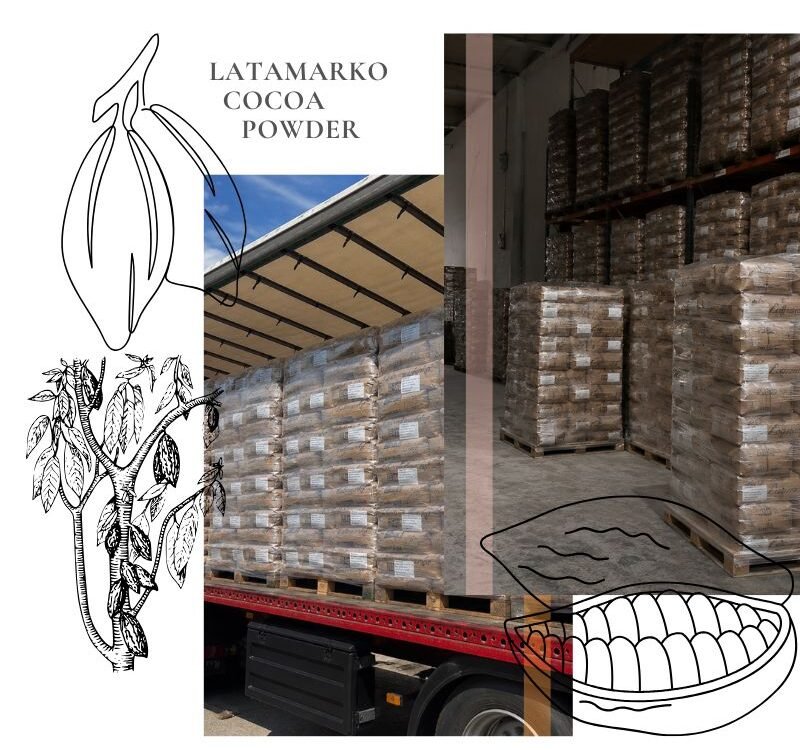
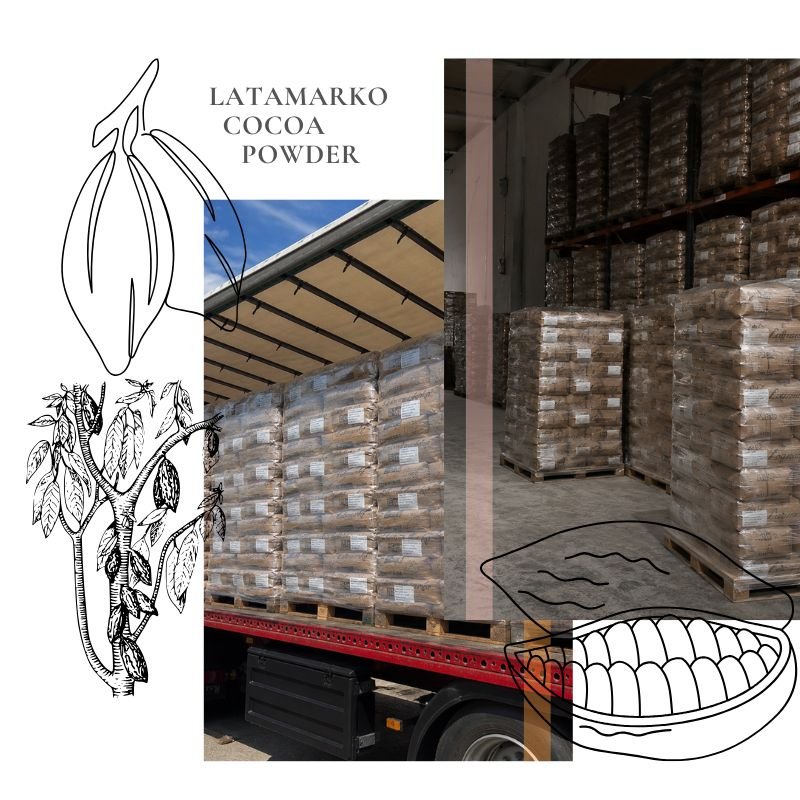
Packaging and Industrial Supply Stability
Reliable packaging and logistics systems are essential for industrial chocolate manufacturers.
Professional cocoa suppliers provide:
- 25 KG industrial packaging
- Palletized loading
- Export documentation
- Stable lead times
- Long-term supply continuity
Reliable logistics help manufacturers avoid production interruptions.
Why Technical Cocoa Selection Matters More Than Price
Many manufacturers initially focus heavily on cocoa pricing.
However, unstable cocoa quality often creates hidden operational costs such as:
- Product rejection
- Formula instability
- Production downtime
- Consumer complaints
- Increased waste
Professional chocolate manufacturers understand that stable cocoa functionality is often far more valuable than short-term price advantages.
Reliable cocoa suppliers help reduce long-term production risks.
LATAMARKO Cocoa Solutions for Chocolate Manufacturers
LATAMARKO specializes in premium cocoa powders developed for industrial chocolate production.
Produced in Spain according to European manufacturing standards, LATAMARKO cocoa powders are designed to provide:
- Stable color consistency
- Controlled alkalization
- Reliable pH performance
- Consistent fat content
- Smooth flavor profiles
- Strong industrial functionality
- Reliable batch-to-batch quality
The LATAMARKO product range includes:
- Natural Cocoa Powder
- Alkalized Cocoa Powder
- Dark Brown Cocoa Powder
- Black Cocoa Powder
These products are widely used in:
- Chocolate manufacturing
- Compound chocolate
- Chocolate fillings
- Bakery creams
- Confectionery products
- Premium dessert applications
The Future of Cocoa Powder in Chocolate Manufacturing
Global chocolate production continues evolving toward higher quality standards and more technically optimized ingredient systems.
Industrial chocolate manufacturers increasingly prioritize:
- Functional stability
- Consistent color
- Controlled viscosity
- Reliable flavor performance
- Food safety compliance
- Long-term supply reliability
As production standards continue rising, cocoa powder selection will remain one of the most important technical decisions in industrial chocolate manufacturing.
For professional chocolate producers, selecting the right cocoa powder supplier is essential for maintaining production stability, product quality, and long-term brand success.